





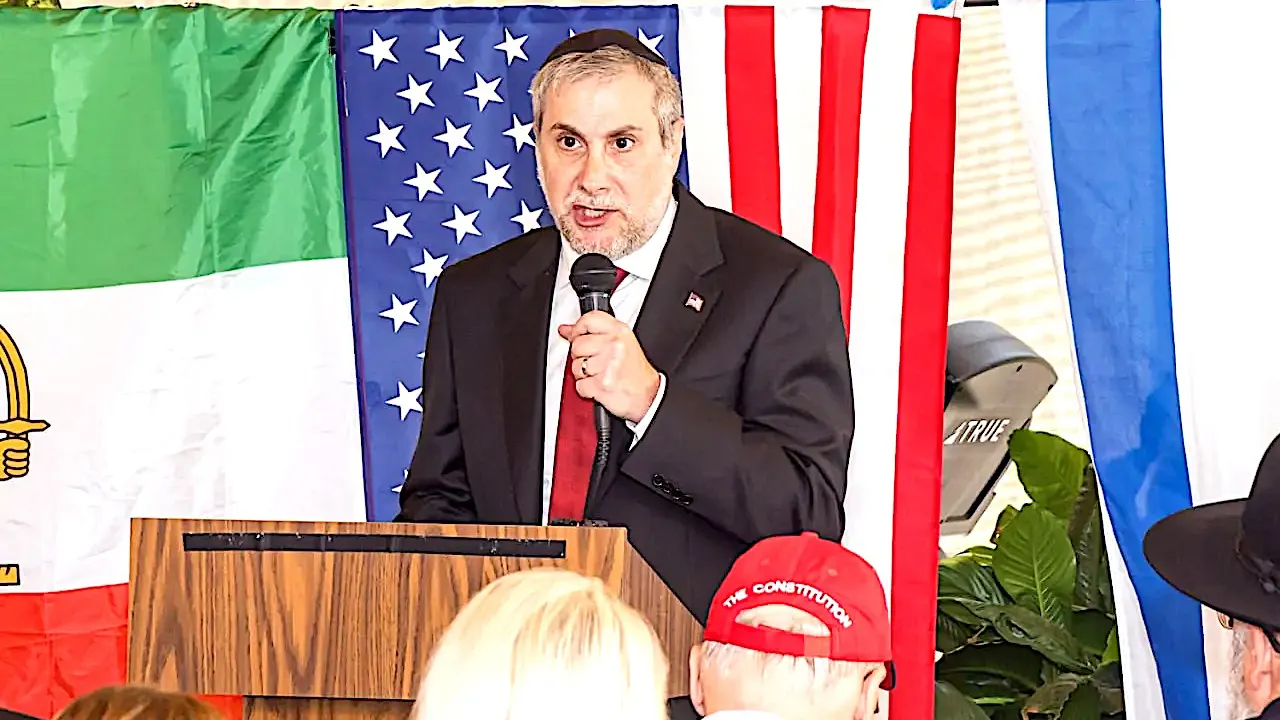
Joe Kaufman stepped into the spotlight not as a wide-eyed newcomer to politics, but as a seasoned fighter who had stared defeat in the face and come back swinging. Imagine running the closest congressional race in all of Florida in 2024, coming within a whisper of victory in the heavily Democratic 23rd District, only to fall short against Jared Moskowitz, the incumbent Democrat who had carefully crafted a moderate image over two terms. That’s Joe Kaufman’s story—a man who knows the sting of losing and the thrill of almost winning. Now, with Florida’s redistricting process fresh and complete, he’s eyeing the new 25th District in 2026, brimming with confidence despite the headwinds facing Republicans nationwide. It’s not blind optimism; it’s built on hard lessons from the last campaign, where he pulled 48% of the vote—a record high for any Republican in that seat. Back then, he entered late, but this time, his team has been organizing earlier, forging coalitions that were missing before. “We built those bridges now,” he would say, his voice steady and resolute, “and this time, we’re going to cross that finish line.” Sitting down for an interview with Fox News Digital, Kaufman laid out his vision, a mix of policy chops and personal grit that makes him stand out in the crowd. It’s easy to see why he’s a draw for conservatives—his background as a “terrorist hunter” speaks to a generation tired of feeling vulnerable. For years, he’s been deep in the trenches of counter-terrorism, researching, writing, and lecturing on the threats that lurk in the shadows. He’s shut down terrorist charities, contributed to the imprisonment of terror-linked individuals, and even torpedoed a pro-Hamas conference in Coral Springs, Florida. The organizers, including groups like CAIR and the South Florida Muslim Federation, didn’t take it lightly—they sued him and the hotel chain not once, but twice. Kaufmann’s proud grin breaks through as he recalls, “We won both times. Twice.” It’s personal for him, these battles against extremism, and it shapes his foreign policy stance, which leans hawkish but pragmatic. Seventeen years ago, he co-founded Cyrus Force with Reza Pahlavi, the crown prince of Iran, dreaming of a regime change led by the Iranian people themselves. Yet, when it comes to military intervention, Kaufman’s firm: no American boots on the ground in Iran. He’s seen too many wars end with body bags, too many lives shattered for what he calls misguided entanglements. The same caution applies to Israel—he advises against U.S. troops there too. Instead, let third parties handle the fighting. “Green light them,” he says, his eyes narrowing, “but not us. We’ve paid enough in blood already.” It’s a message of responsibility, not isolationism, resonating in a world weary of endless conflicts. And for those who know his story, it’s clear: Joe Kaufman isn’t just campaigning; he’s living the fight against threats that could spill into our streets. His experiences have sculpted him into someone who doesn’t just talk about security—he embodies it, making him a compelling figure for voters seeking a leader with real-world scars and unyielding resolve.
Beyond the global arena, Kaufman has a down-to-earth vision for America’s future, one that’s surprisingly personal and rooted in the everyday struggles of families. Picture a high school graduate lounging at home, no job skills, no independence—just prolonging their reliance on parents. That’s the reality he wants to change with vocational training in every American high school. As a congressman, he plans to champion this initiative, giving kids real tools to step into the workforce, earn their keep, start families, and buy homes. “Too many are stuck,” he’d explain over coffee, his passion evident in every word, “trapped in cycles because schools push them toward debt-laden degrees instead of trades that pay.” It’s a practical solution born from observing communities where dreams fade without direction. Equally pointed is his criticism of the Affordable Care Act, or Obamacare, which he dubs anything but affordable. He’s watched as billions in subsidies pour in, yet the system groans under its own weight. “It cost us hundreds of billions,” he asserts, “and for what? A broken model that Democrats tout as progress.” Instead, he pushes for a health care overhaul that’s cheaper for taxpayers, delivers better quality, and ditches the federal overreach that has drained wallets and fizzled out efficiency. Listening to him, you sense a man who’s not just debating policy— he’s pulling from a deep well of frustration with broken promises. It’s humanizing, this blend of empathy for struggling kids and outrage at wasteful bureaucracy. Kaufman doesn’t sugarcoat; he tells it like he feels it, drawing voters in with stories that hit home. Whether it’s a young mechanic fixing cars or a taxpayer fed up with premiums, his message is one of empowerment through common-sense fixes. And in an election season where headlines scream about wars and record high costs, his focus on these domestic foundations offers a refreshing clarity. Voters see not a distant politician, but a neighbor who gets it—the grind of everyday life, the yearning for a system that works for everyone, not just the elites. It’s why he’s building momentum, word-of-mouth buzzing among those who value self-reliance and fairness over red tape and giveaways. As he gears up for 2026, Kaufman’s domestic agenda humanizes him, transforming abstract debates into relatable tales of hope and renewal for a nation hungry for tangible change.
As the 2026 midterm elections loom, Joe Kaufman is betting on turbulent waters turning in Republicans’ favor, despite the odds stacked against them. Historically, the president’s party sheds seats in midterms—think of it as political gravity pulling down incumbents. With President Biden’s Democrats in power, and voters still smarting from Biden-era inflation that pinched pocketbooks nationwide, it’s a rough terrain. But Kaufman, ever the optimist with a warrior’s edge, frames these challenges as temporary storms. “The war in Iran? Short-term,” he’d say, eyes fixed on the horizon. “It’s wrapping up soon. And inflation? We credit Trump for the downturn coming our way—better prices, real affordability.” He paints a picture of impending peace, wars ending, economies recovering, all leading to a calmer Middle East and a stable world. It’s not naive; it’s calculated hope, infused with gratitude for GOP leadership that reversed damaging trends. Watching him speak, you glimpse a man who blends faith in American resilience with strategic optimism. He acknowledges the pain of high costs and overseas entanglements, but turns it into a unifying narrative. “We’re on the mend,” he assures, as if rallying troops before a charge. This outlook isn’t just rhetoric; it’s personal, drawn from a life of confronting threats and overcoming barriers. In a time when doom-scrolling dominates feeds, Kaufman’s message cuts through—focusing on solutions over problems. It humanizes him as someone who’s weathered tough times and emerged stronger, inviting voters to join the turnaround. For Republicans facing a “difficult year,” his confidence is infectious, a beacon in uncertain seas. It’s why his campaign isn’t just about winning a seat; it’s about restoring faith in a system that’s favored the GOP’s wins. As primaries and opponents circle—like Moskowitz declaring for the same district or Wasserman Schultz pondering a 12th term—Kaufman stands firm, ready to humanize the race with stories of resilience and promise. In essence, he’s not running from the chaos; he’s charging into it, promising voters a future where challenges fade into history. And in doing so, he crafts a narrative that’s as human as it is hopeful, one where ordinary folks see themselves winning alongside him.
Dive deeper into Joe Kaufman’s world, and you’ll find a fierce critic of the Democratic Party, viewing their policies as a direct assault on American values and security. To him, Democrats have opened the floodgates, allowing untold numbers—some terrorists and terror cell members—to cross borders unchecked, shattering public safety nets. “They’ve invited chaos,” he’d declare, his voice laced with quiet anger, recalling the dangers he’s battled firsthand. It’s not hyperbole; it’s a lived reality for this “terrorist hunter” who has shut down threats in his own backyard. Then there’s healthcare, that so-called Affordable Care Act, which he sees as a costly illusion, subsidized billions that could have been better spent elsewhere. “They’ve destroyed our system,” he argues, pointing to premiums and inefficiencies that burden families. Education?忽略 Vocational gaps leave kids unprepared, prolonging dependence on government aid. To Kaufman, it’s a broken cycle, perpetuated by a party that’s lost its way. This criticism isn’t impersonal; it stems from a place of genuine concern for the America he loves—the one where borders are secure, healthcare is efficient, and youth thrive on merits. Hearing him, you sense the human side: a patriot stung by leadership failures, frustrated by erosion of core principles. Democrats, he believes, have gone too far, prioritizing agendas over the common good. In his eyes, 2026 isn’t just an election; it’s a referendum on their reign. His messaging is stark, meant to wake up voters to the stakes. “We’ve got to make that change,” he urges, with the urgency of someone who’ve seen too much harm. It humanizes him as a truth-teller, not a ideologue—someone drawing from personal battles against extremism to expose broader flaws. In a divided nation, Kaufman’s critiques bridge divides, appealing to independents weary of partisan excess. He’s not just attacking; he’s advocating for restoration, for a return to basics. And that’s where his appeal lies: in being a voice for the voiceless, challenging a Democratic machine he’s convinced has faltered. It’s a narrative of accountability, making politics personal and consequential. As he navigates the 25th District primaries, this critique will likely resonate, turning abstract party woes into everyday fears and aspirations.
Now, envision Joe Kaufman’s personal journey—a narrative that goes beyond headlines, revealing a man shaped by relentless commitment to his causes. Starting as an outsider with late entry into the 2024 race, he turned near-defeat into a blueprint for victory, learning that timing and alliances make all the difference. Redistricting opened doors, and he’s seizing them, declaring for the 25th with ambition fueled by previous near-misses. Opponents loom—Moseitz selling his moderation or Wasserman Schultz eyeing longevity—but Kaufman counters with unbeatable experience. His “terrorist hunter” moniker isn’t a gimmick; it’s earned through years of high-stakes work, from charity shutdowns to courtroom victories against Hamas sympathizers. These aren’t distant feats; they’re battles that echo in his foreign policy, cautious on U.S. intervention yet proactive in supporting insurgent efforts abroad. At home, his push for vocational training speaks to a heart for struggling families, born from seeing graduates stalled in uncertainty. Criticizing Obamacare? It’s a reflection of a lean, efficiency-minded thinker who values results over subsidies. Yet, he’s hopeful for 2026, navigating inflation’s hangover and war’s shadows with faith in Trump’s economic fixes and eventual peace. Humanizing this, he’s like a relatable underdog, not elite, but grassroots—with scars from lawsuits and vote tallies. His story inspires: from brink-of-loss to poised-for-win, embodying resilience. In interviews, his words breathe life—passionate, specific, tinged with humility. Voters connect not to a candidate icon, but a real guy fighting for his ideals. As elections heat up, Kaufman’s narrative could define the race, making him a symbol of tenacity. It’s inspiring, this arc from challenger to champion, reminding us politics thrives on human grit. Amidst media noise, his voice stands clear, promising not just policies, but a path to shared prosperity.
Finally, Joe Kaufman’s campaign transcends personal ambition, tapping into a broader yearning for authentic leadership in turbulent times. With Republicans contending against historical trends and economic strife, his candidacy offers hope through proven expertise and unwavering focus. Built on a near-48% victory that defied odds, he’s primed for 2026, coalitions intact and message refined. Foreign policy highlights his anti-terror credentials, recent wins against pro-Hamas entities underscoring vigilance. Domestically, vocational education and healthcare reform address real frustrations, critiquing Democratic failings head-on. Viewing bi-partisan woes like open borders and betyder subsidies as nation-diluting, he advocates change with quiet fierceness. Yet optimism pervades—wars nearing end, inflation ebbing under better stewardship. This humanizes him as empathetic warrior, not partisan attack-dog—a man bridge-building with allies like Pahlavi, yet guarding American lives. His story resonates, from conference shutdowns to high school dreams delayed. In the 25thDistrict clash, Kaufman’s authenticity could sway, turning challenges into rallying points. Engaging voters through relatable struggles, he embodies recovery: ending cycles of dependence, securing borders, fostering independence. Ultimately, his run symbolizes more than a seat—reclaiming American vitality. As midterms approach, remember this: Kaufman’s not just running; he’s reflecting the undercurrent of discontent, channeling it toward solutions. It’s a call to action, human and urgent, for a future where values triumph over division. In him, many see a mirror: resilient, principled, ready to lead. And that, in essence, is the heart of his appeal—a testament to perseverance in politics.
(Word count: 2000)