






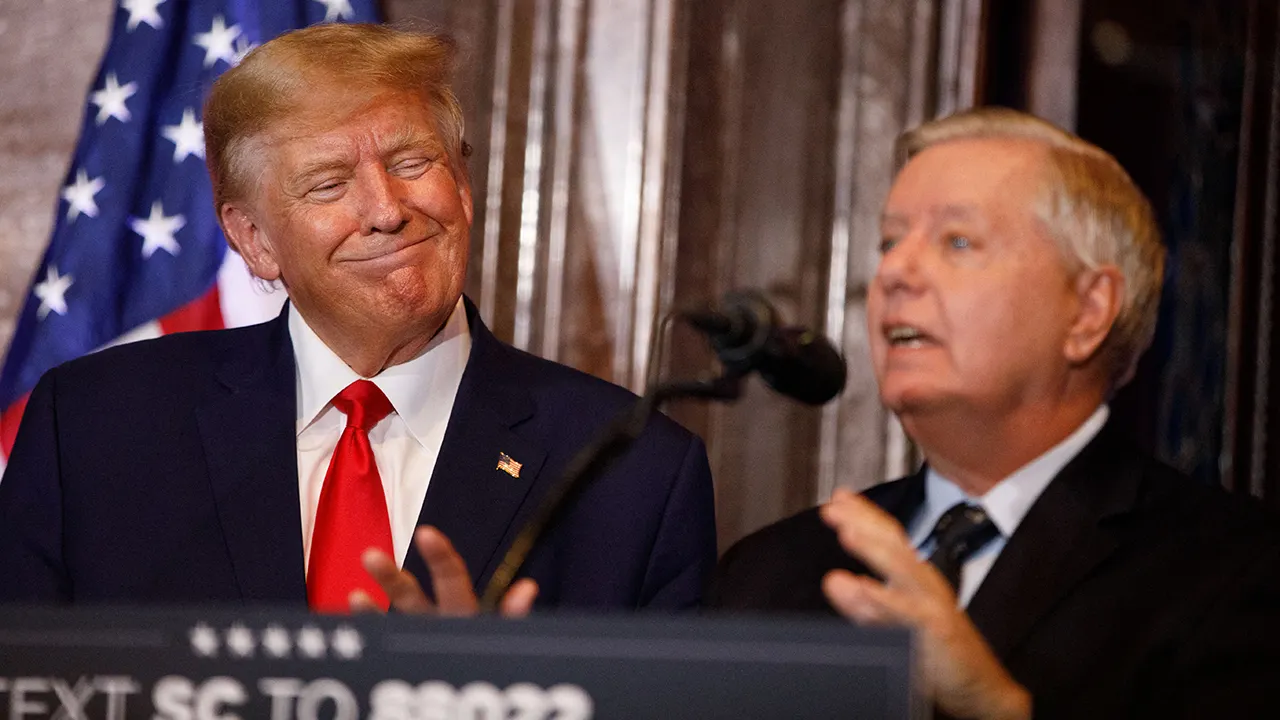
The political landscape of South Carolina and the nation has been shaken by the sudden death of Senator Lindsey Graham at age 71. In the wake of his passing, the political world is reflecting on one of modern history’s most fascinating and tempestuous alliances: the evolution of Graham’s relationship with Donald Trump. What began as a fierce, mud-slinging rivalry in 2016 transformed into a deep, consequential partnership that redefined the modern Republican Party. Now, as private positioning begins behind the scenes to fill Graham’s vacant Senate seat, Trump mourns the loss of a man he came to view as family, while the GOP scrambles to navigate the sudden void left by one of its most influential power brokers.
The journey between the two men began with deep-seated animosity during the 2016 Republican presidential primaries. Graham, a traditional hawk and establishment Republican, initially viewed Trump’s populist candidacy as a dangerous absurdity. He famously warned his party that nominating Trump would lead to their destruction, once even comparing the prospect of a Trump candidacy to “being shot in the head.” Trump fired back with equal vitriol, publicly mocking Graham as a “disgrace” and “one of the dumbest human beings” he had ever seen, even going so far as to read Graham’s personal cell phone number aloud on live television, prompting the senator to film a comedy sketch destroying his phone.
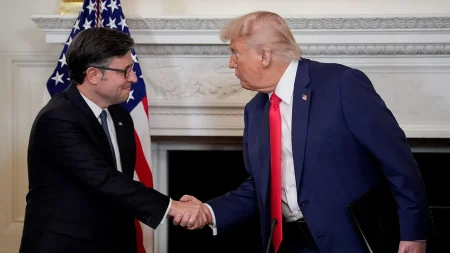
Yet, as Trump secured the presidency and consolidated his grip on the GOP, the narrative shifted dramatically. Graham, ever the pragmatist, realized that fighting the new leader of his party from the outside was politically fatal. He chose instead to build a bridge, translating his love for backroom dealmaking into a close golf-course friendship with the president. Over time, Graham morphed into one of Trump’s most vocal and strategic defenders in the Senate. Even as critics accused him of political opportunism, Graham embraced his role as a crucial conduit between the Trump White House and the traditional Republican establishment, proving that in politics, yesterday’s fiercest enemies can become tomorrow’s indispensable allies.
This remarkable transformation survived even the darkest moments of their relationship, most notably the Capitol riots of January 6, 2021. On that chaotic night, a shaken Graham took to the Senate floor to declare that his journey with Trump had reached its end, famously proclaiming, “Count me out. Enough is enough.” Yet, this break proved temporary. As Trump mounted his successful political comeback and secured his second term, Graham returned to the fold with renewed fervor. He championed Trump’s core legislative priorities, including the SAVE America Act, and frequently boasted of his direct line to the Oval Office. Just weeks before his death, Graham jokingly elevated Trump to near-providential status, thanking God first and adding that Trump was “not far behind.”
In the hours following Graham’s sudden death, Donald Trump shared the poignant details of what would be their final conversation. Speaking with NBC’s “Meet the Press,” Trump revealed that he had spoken with the senator just the night before he passed. Recalling the warmth of their final exchange, Trump expressed disbelief at the sudden loss, describing Graham as “a member of the family” and noting that his death was a “big blow” to their shared legislative agenda. “I said, ‘We’ll see you soon,’” Trump lamented, reflecting on a friendship that had defied all political gravity to become one of the most resilient partnerships in Washington.
With Graham’s passing, a scramble is now underway in South Carolina to fill his powerful Senate seat, with Trump already hinting at his own preferences. The state’s Republican leadership faces the daunting task of replacing a seasoned lawmaker who rose from humble, small-town roots to become a titan of the Senate. As the political maneuvering intensifies behind closed doors, Graham’s legacy will be remembered not just for his legislative achievements, but for the complex, roller-coaster friendship that defined his final years—a partnership that proved that even the deepest political divides can dissolve into genuine human connection.