




The Overwhelming Crisis of Migrant Children
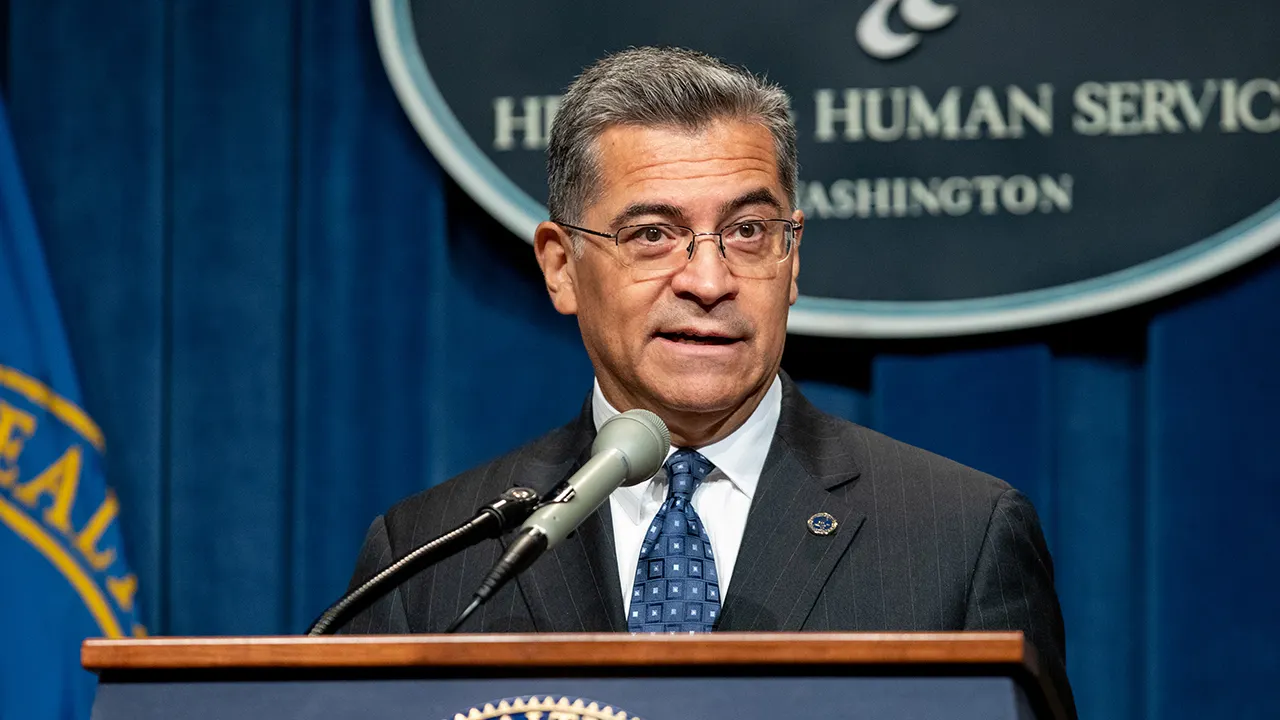
Imagine a time when the American immigration system was under unprecedented strain, with families and children fleeing unimaginable hardships south of the border. Xavier Becerra, serving as the U.S. Secretary of Health and Human Services during the Biden administration, found himself at the heart of a humanitarian storm. The surge of unaccompanied minors—young boys and girls traveling alone—overwhelmed shelters designed for their protection. These weren’t just numbers; they were vulnerable kids, some as young as toddlers, forced into makeshift jails or sprawling tent cities in bustling cities like Chicago and New York. Pictures of these children sparked outrage nationwide, pushing the administration to act swiftly. Becerra, a dedicated public servant with a background in law and advocacy, faced the impossible task of balancing efficiency with safety. But as shelters reached capacity, the system cracked under the pressure. According to a groundbreaking New York Times investigation in February 2023, officials began rushing children out of facilities into the arms of sponsors, bypassing long-standing protections meant to shield them from exploitation. It was a tragic race against time, where the human cost seemed secondary to political urgency.
The Push for Speed and Efficiency
In the midst of this chaos, Becerra reportedly whipped staff into action with a call for rapid processing. “If Henry Ford had seen this in his plants, he would have never become famous and rich. This is not the way you do an assembly line,” he told his team, invoking the ruthless efficiency of industrial giants. Yet, healthcare workers and officials voiced grave concerns—senior HHS staff warned that the frantic pace was peeling away vital checks, like thorough background reviews and file assessments that protected kids from predators and traffickers. Data revealed a grim reality: over two years, more than 85,000 children slipped through the cracks, becoming untraceable by federal authorities. These were real children—perhaps wandering unsure streets, or worse, falling victim to the very dangers the system was supposed to prevent. Becerra defended his approach, insisting the kids were safely with vetted sponsors, only that follow-ups went unanswered. His team argued that once a child reached a sponsor, HHS’s jurisdiction ended, a legal technicality in a system strained beyond its limits. Critics saw it as a cover for neglect, highlighting how the focus on quick releases rewarded speed over caution, potentially enriching traffickers who exploited the loopholes. It was a heartbreaking trade-off: prioritize reuniting families or risk leaving innocents in limbo.
Investigations and Accountability
The fallout didn’t stop there. Months after the Times exposé, Republicans in Congress subpoenaed Becerra for documents on sponsor vetting and monitoring. Hunters of government oversight, they demanded details on hundreds of pages, only to claim the responses evaded their core questions. Tensions escalated, leading to public hearings where Becerra testified before skeptical lawmakers. Meanwhile, the HHS Office of Inspector General (OIG) independently probed the issue. In February 2024, their findings painted a troubling picture: gaps in safety checks affected 16% of cases, with missing documentation and delayed follow-ups leaving children exposed. Earlier, a 2022 OIG report linked hurried releases to removed safeguards, increasing risks of unsafe placements. These weren’t abstract policies; they pointed to families shattered by oversight failures, children potentially thrust into housing with abusers or labor exploiters. Despite Becerra’s efforts to reform a “broken” immigration system inherited from the previous administration—citing Trump’s chaotic policies—critics argued he exacerbated the problems. Deadlines came and went, subpoenas piled up, and the affair dragged into 2024 without a full resolution, with watchdog reports becoming the closest thing to truth.
Political Shadows and Aspirations
As Becerra eyed a run for California Governor in the Democratic primary, this scandal loomed like a dark cloud, threatening to derail his hopes. His record at HHS became a lightning rod for opponents, who portrayed him as out of touch with everyday realities. A Democratic strategist, speaking anonymously to Fox News, summed it up bluntly: “Xavier Becerra failed those kids, failed the country, and failed to do his job.” They called him “horrible at HHS,” questioning how a struggling cabinet secretary could govern a massive state like California. Voters, they said, deserved more than recycled leadership from someone who couldn’t manage a department in crisis. For Becerra’s supporters, it was a misunderstanding—a man who worked tirelessly to fix a flawed system, not break it further. His campaign staff emphasized his diligence in navigating an inherited disaster, where budget constraints and legal limits forced tough choices. Yet, the human faces of the scandal lingered: families separated, children unseen, all while Becerra pushed for solutions that critics saw as shortcuts. This controversy humanized the stakes of politics—real kids’ lives weighing against poll numbers and power plays.
Broader Implications and Humanitarian Toll
Beyond politics, the episode underscored a deeper malaise in America’s approach to immigration. It highlighted how crises amplify systemic flaws, turning protectors into cogs in an overworked machine. Unaccompanied minors, the article notes, often arrive traumatized, escaping violence, poverty, or climate disasters, only to face new perils in the U.S. The rush to release them, while well-intentioned, stripped away layers of security that had guarded against trafficking. Think of it as a parent’s nightmare: sending a child into the unknown, hoping for the best but fearing the worst. Experts like those at HHS warned of rising child labor exploitation, where vulnerable kids ended up in abusive work environments instead of stable homes. The data was damning—over 85,000 lost to oversight—a statistic that translates to countless sleepless nights for sponsors, advocates, and officials alike. Becerra’s assembly-line analogy, while aimed at efficiency, rang hollow to those who saw it as dehumanizing urgency. Humanizing this means recognizing the empathy fatigue that overcomes policymakers in storms like these; it’s not just policy, it’s about protecting the innocent from a bureaucracy stretched thin.
Reflections on Leadership and Responsibility
In the end, the Becerra saga invites reflection on what true leadership looks like in turbulent times. Was he a culprit of negligent haste, as detractors charged, or a victim of impossible circumstances? His tenure revealed the perils of governmental overload—where compassion collides with pragmatism, and noble intentions lead to unintended tragedies. For the children involved, it meant potential lifelong scars from unsafe releases, families fractured, and trusts broken. Advocates pushed for reforms, emphasizing comprehensive screenings and robust follow-ups, not quick fixes. Becerra’s campaign narrative painted him as a fixer, mending what Trump had left in disarray, but critics viewed it as deflection. As he sought higher office, the episode served as a stark reminder: in governing, the most vulnerable always pay the highest price. This isn’t just history; it’s a cautionary tale of humanity in policy, where every child untracked is a story untold, a future uncertain. Whether Becerra prevails in California or not, the migrant children scandal will echo as a testament to the need for vigilance in safeguarding innocence amid upheaval. Perhaps, in humanizing it, we learn that efficiency without heart is just another form of lost souls.