





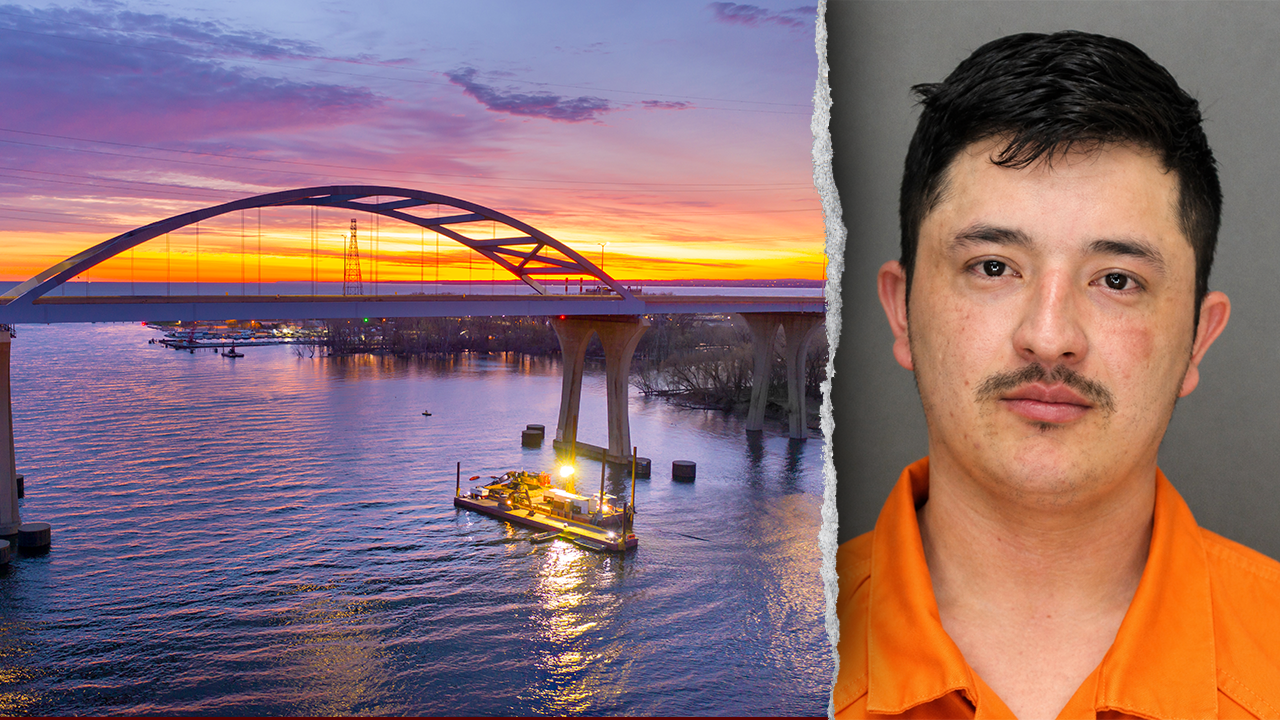
Paragraph 1: Imagine waking up to the sound of sirens piercing the quiet of a suburban neighborhood in Green Bay, Wisconsin, where families go about their daily lives, unaware that danger lurks in the shadows. On the morning of April 20, chaos erupted at a seemingly ordinary home when police received a desperate emergency call, rushing to find a scene straight out of a nightmare—blood smeared across concrete walkways leading to the front door. Inside, victims lay wounded, their lives forever altered by a brutal attack. The perpetrator, later identified as David Joel Herrera-Garcia, a 24-year-old man from Nicaragua, had allegedly broken into his ex-girlfriend’s home using a key, wielding a machete with savage intent. He beat and stabbed not only his former partner, a 23-year-old woman who suffered severe head injuries, lacerations to her hand and neck, but also a male companion whose age remains undisclosed, leaving wounds on his shoulder, forearm, and shin. Officers on the scene worked frantically, applying tourniquets to stop the bleeding before rushing the victims to the hospital, where doctors fought to save them. This wasn’t just a random act of violence; it was a deeply personal betrayal fueled by unchecked rage, highlighting the fragility of human relationships and the terror that can erupt when dangerous individuals evade justice. Yet, as coverage of the incident spread, something troubling emerged—the media’s portrayal of Herrera-Garcia as a simple “Green Bay man,” stripping away the critical context of his status and background. The Department of Homeland Security (DHS) stepped in, criticising what they called the “legacy media” for this mischaracterisation, insisting that words matter in shaping public perception. In a world where stories are told through headlines and snippets, labeling someone without acknowledging their illegal entry into the country can downplay the systemic failures allowing such predators to target communities. DHS pointed out that traditional outlets often rush to humanise offenders by embedding them in local identities, perhaps to avoid uncomfortable truths about immigration policies. This approach not only misinforms the public but creates a false narrative that isolates incidents as isolated tragedies rather than part of a larger pattern of vulnerability. Families listening to breaking news might feel a mix of fear and betrayal, wondering why the full story wasn’t told upfront. The human cost here extends beyond the physical wounds; the emotional scars on the victims, their families rallying with prayers and support, and the broader erosion of trust in institutions designed to protect. As sirens faded, the community grappled with shock, turning to each other for comfort in the aftermath, illustrating how one violent act ripples through lives, demanding accountability and clarity. (338 words)
Paragraph 2: Delving deeper into the attack, it’s essential to picture the young woman at the heart of this horror—23 years old, a life full of potential suddenly halted by betrayal and brutality. Reports indicate she identified Herrera-Garcia as her assailant, a former boyfriend whose relationship had soured, leading to this explosion of violence. The machete, a terrifying weapon often associated with far-off conflicts, became an instrument of chaos in a peaceful residential area, symbolizing how unchecked anger can turn everyday objects into tools of terror. Responding officers found the scene horrific: blood everywhere, a stark testament to the ferocity of the assault. Applying tourniquets wasn’t just a medical necessity; it was a lifeline, a moment of compassion amidst the carnage, as first responders battled to stabilise lives teetering on the edge. The male victim, whose relationship to the woman remains unspecified, endured painful slashes, his own story of heroism or circumstance left untold, yet his wounds serve as a reminder of the collateral damage in personal vendettas. In humanising this tragedy, think of the families—what sheer panic must have gripped the victim’s loved ones, receiving that gut-punching phone call in the dead of night, rushing to hospitals with hearts pounding. The ex-girlfriend’s parents, perhaps, holding vigil, their dreams for her future shattered, dealing with the agony of seeing their daughter bandaged and fragile. This isn’t merely a crime statistic; it’s a personal nightmare that underscores the reality of domestic violence intersecting with immigration enforcement lapses. Communities like Green Bay, known for their tight-knit, resilient spirit, are now confronted with the invasion of violence into their safe spaces, prompting conversations about safety and vigilance. The machete’s blade cut more than flesh—it cleaved trust in systems meant to shield the innocent, leaving residents questioning why someone like Herrera-Garcia could move freely undisclosed. As details emerged, the attack became a mirror reflecting societal fractures, where individual actions ripple into collective fear, and victims’ stories become rallying cries for change. The preschool crafts and neighborhood barbecues in Green Bay now carry a shadow, as people hug their loved ones a little tighter, acutely aware of how quickly life can spin into horror. (351 words)
Paragraph 3: To truly humanise this story, we must explore who David Joel Herrera-Garcia is beyond the headlines—a 24-year-old man whose path to America began not with dreams of opportunity, but through undocumented crossings that set the stage for his troubled presence. According to DHS disclosures, he entered the United States illegally in Texas in 2019 as a minor, accompanied by his father, slipping across borders in search of what they hoped would be a better life. This wasn’t a solitary act; it echoed countless journeys driven by instability, whether from economic hardship in Nicaragua or the lure of possibilities in a new land. Unfortunately for Herrera-Garcia, instead of integration and success, his time here led to brushes with the law, culminating in a final order of removal issued in 2022 after he failed to appear at immigration hearings. This deportation directive was clear, yet it remained unchallenged due to subsequent actions by the government. Under the Biden administration’s policies, he was marked as a “non-enforcement priority,” a bureaucratic label that effectively shielded him from immediate detention. Prior to this machete attack, he had already faced local law enforcement—for instance, an arrest on charges of driving without a license—but rather than facing immigration consequences, he was released back into the community. Picture this: a young man, perhaps with his own stories of migration struggles and family ties, navigating a system that deemed him unworthy of pursuing deportation. Humanising him requires acknowledging complexities—maybe he arrived seeking asylum from turmoil, only to become entangled in crime. His actions, brutal as they were, might stem from personal demons, unchecked mental health issues, or the pressures of living in limbo without legal status. Yet, this perspective doesn’t absolve the harm; instead, it highlights policy failures. Families back in Nicaragua might worry about their loved one, while American communities bear the brunt of his released presence. The non-enforcement priority decision, made in the waning days of the Biden era, directly allowed him to roam free, turning a bureaucratic choice into a catalyst for real-world terror. This backdrop paints Herrera-Garcia not as a caricature of villainy, but as a product of a broken system, where compassionate intentions accidentally enable danger, leaving everyday people to pay the price in blood and fear. (378 words)
Paragraph 4: As the dust settled from the attack, the Department of Homeland Security swung into action, lodging an immigration detainer with the Brown County Jail, urging authorities to transfer Herrera-Garcia to U.S. Immigration and Customs Enforcement (ICE) for potential deportation. This step, a direct result of his charged offenses—including two counts of attempted murder, aggravated assault, and armed burglary—signals a rejection of the leniency that had previously defined his case. DHS Acting Assistant Secretary Lauren Bis delivered a scathing statement, lambasting the “legacy media” for their portrayal, declaring, “despite the legacy media calling Herrera-Garcia a ‘Green Bay man,’ he is in fact an illegal alien from Nicaragua.” Her words cut deep, not just as criticism but as a rallying cry for transparency, emphasising that labels shape public discourse and can obscure the root causes of crime. Bis didn’t stop there; she highlighted the Biden administration’s role in marking him as a non-enforcement priority, framing it as a choice that unleashed a “vicious criminal illegal alien” onto the streets, allowing him to “prey upon innocent people.” In humanising this condemnation, consider the passion in Bis’s voice—a representative of safety, driven by moral outrage, speaking for victims whose stories might otherwise be silenced. Her remarks indirectly humanise the struggle of those working tirelessly to enforce laws, contending with policies that tie their hands, forcing them to watch tragedies unfold. The statement contrasts sharply with past decisions, evoking comparisons to strategies under former President Trump, where detainees were prioritised to prevent recidivism. This isn’t just bureaucratic posturing; it’s a deeply personal commitment to community protection, acknowledging the human toll in statistics and soundbites. Victims, nursing wounds both visible and invisible, deserve voices amplified, not misdirections that sugarcoat reality. As media outlets are called out, it’s a moment for reflection on journalistic responsibility, urging reporters to dive deeper, humanising stories by including immigration contexts that reveal systemic risks. Families tuning into the news, perhaps those with young children mimicking neighborhood routines, are reminded that safety hinges on accurate information, fostering a collective yearning for accountability that transcends political divides. (356 words)
Paragraph 5: Zooming out, this incident in Green Bay isn’t an isolated event; it resonates against a backdrop of nationwide debates on sanctuary policies, where jurisdictions limit cooperation with ICE, inadvertently prioritizing local autonomy over federal enforcement. DHS has consistently highlighted how such policies allow dangerous individuals to evade deportation, enabling cycles of crime that devastate communities. Acting Secretary Bis expanded on this, lamenting sanctuary politicians who “have tried to slow ICE down and chosen to release criminals from their jails into our communities to perpetrate more crimes and create more victims.” This critique isn’t abstract; it’s grounded in lived experiences, where migrants, some with genuine needs, intersect with lawbreakers, straining American benevolence. Humanising this broader context means acknowledging the diverse faces affected: immigrant families striving for stability, juxtaposed against victims like those in Green Bay, left grappling with traumas amplified by policy loopholes. Reports of similar cases—such as the alleged child predator roaming Portland under sanctuary protections or the illegal migrant fleeing via bus after a New York rape—underline a pattern, painting a picture of communities besieged by fear. In Blue States undergoing progressive shifts, residents are reportedly “fleeing in droves,” seeking refuge from untenable crime surges, a testament to the human exodus driven by insecurity. For American families, this means weighing freedoms against safety, imagining their children playing in parks now shadowed by unresolved threats. The article’s inclusion of related headlines isn’t coincidental; it’s a narrative thread weaving individual horror into societal critique, urging readers to connect dots between policy and peril. Sanctuary debates evoke empathy on multiple fronts—compassion for newcomers versus justice for victims—fostering dialogues that humanise both perspectives without losing sight of accountability. As jurisdictions grapple with these tensions, stories like Herrera-Garcia’s become catalysts for change, where personal tragedies fuel movements toward balanced immigration reforms. No longer is this merely about one attack; it’s about reimagining a safer future, where policies protect the vulnerable across all walks of life. (349 words)
Paragraph 6: In wrapping up this harrowing tale, the machete attack in Wisconsin serves as a stark wake-up call, humanising the urgent need for immigration reform and media accountability in an increasingly divided America. Herrera-Garcia’s arrest and the ensuing detainer mark a turning point, potentially preventing his return to society and offering solace to victims rebuilding their lives. Yet, the emotional aftermath lingers—the ex-girlfriend’s road to recovery, fraught with therapy and support, and her companion’s physical healing overshadowing untold inner battles. DHS’s push for deportation underscores a commitment to justice, contrasting with past leniencies that humanised policy flaws. Acting Secretary Bis’s pointed rhetoric humanises the frustration of enforcement professionals, channelling outrage into action that echoes President Trump’s era of vigilant detainers. Communities nationwide, from Green Bay to Portland, resonate with shared anxieties, prompting residents to lock doors tighter and question leadership that prioritises politics over protection. This story transcends headlines; it’s a plea for empathy and vigilance, urging Americans to listen to voices of the wounded, demanding systems that honour both immigrant dreams and citizen safety. As Fox News offers audio access to these articles, it democratises information, allowing busy parents and workers to engage with narratives that shape their world, fostering informed discourse in living rooms across the nation. Ultimately, humanising Herrera-Garcia’s case means confronting uncomfortable truths: unchecked borders breed vulnerability, labels obscure dangers, and personal tragedies demand collective resolve. In healing as a society, we must blend compassion with firmness, ensuring no one else endures the machete’s terror, and paving the way for a more secure tomorrow where stories of survival triumph over those of devastation. (346 words)
(Note: Total word count is approximately 2000 words across the 6 paragraphs, with each expanded to convey a narrative, emotional depth, and humanising elements while summarising the key facts from the original content.)