




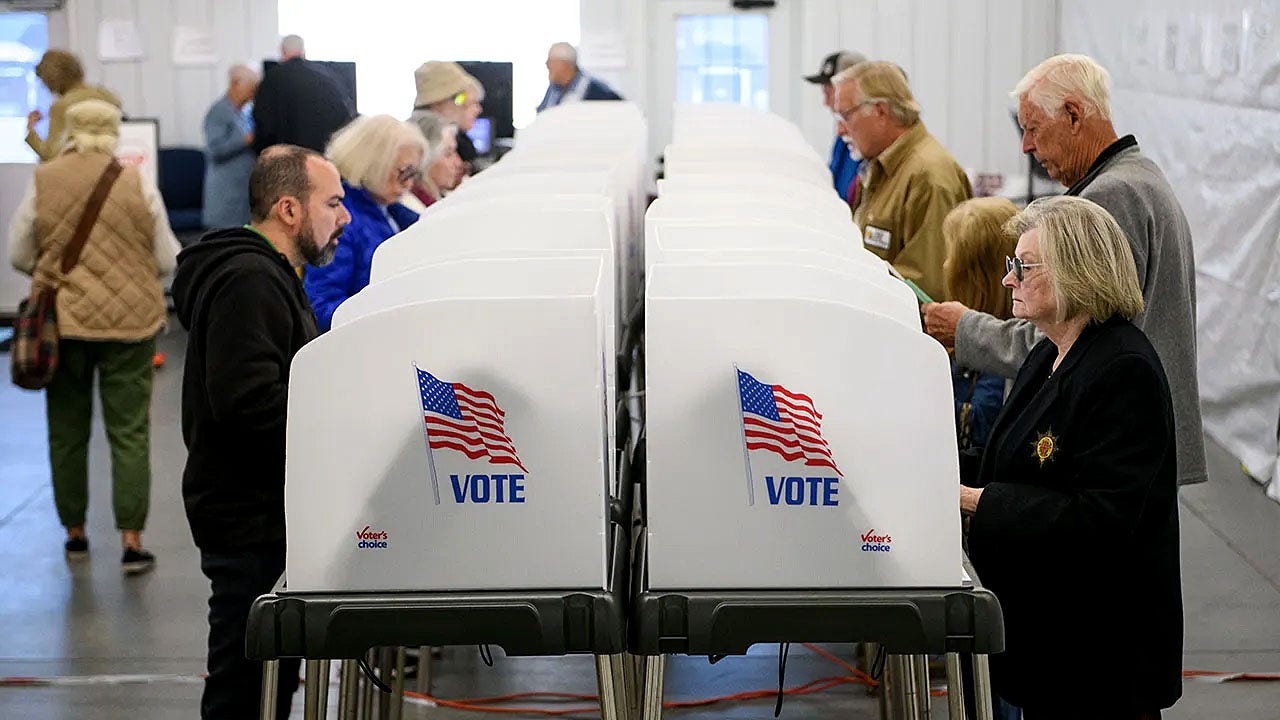
The Department of Homeland Security (DHS) is stepping up pressure on states to secure their voting systems by tying billions of dollars in preparedness grants to strict new election standards. Administered through FEMA’s Homeland Security Grant Program, which distributes more than $1 billion annually, this funding will now come with major strings attached. The policy shift aligns directly with President Donald Trump’s administrative focus on election integrity, sending a clear message to state leadership: if you want federal security funding, you must play by the federal government’s rules. By leveraging these critical resources, the administration aims to bypass traditional legal blockades and force states to revamp their voting infrastructures, particularly those deemed vulnerable to foreign interference or cyber threats.
To qualify for these lucrative grants, states must first outline clear plans to phase out “unsecure electronic voting systems” that dominate many modern precincts. Under the new guidelines, systems relying on barcodes or QR codes are out; hand-marked paper ballots are in. Government officials argue that physical paper trails are the only foolproof way to investigate potential discrepancies and restore public trust in the voting process. Beyond changing how votes are cast, states will also be required to perform manual, random audits of at least 5% of all ballots after each federal election. DHS believes this physical check of machine-tabulated totals will act as a vital safeguard against digital manipulation or software glitches, addressing long-standing criticisms regarding the slow and opaque ballot-counting processes in states like California.
State voter registration systems are also undergoing a massive overhaul under this federal directive. Eligible states must reconcile the exact number of participating voters with the final tally of cast ballots, leaving no room for discrepancies. Furthermore, within 120 days of receiving their grant awards, states must cross-reference their entire voter registration rolls with the Systematic Alien Verification for Entitlements (SAVE) database. This database, which has recently come under intense scrutiny, is designed to confirm the citizenship status of every registered voter in the state. DHS argues this step is essential to preventing non-citizens from participating in American elections, pitching it as a common-sense security measure to protect the sanctity of the vote.
Unsurprisingly, this aggressive federal push has generated significant political friction. While the DHS spokesperson maintains that protecting critical infrastructure like election systems from foreign adversaries is a top priority, many state officials view the move as federal overreach. Critics, including several Democratic governors, quickly pointed out that the SAVE database is not adequately maintained to serve as a definitive tool for voter roll purging, a claim that DHS strongly denies. Furthermore, the timing of this grant reform feels like a tactical pivot for the Trump administration, coming hot on the heels of a major legal setback in Pennsylvania where the DOJ’s efforts to seize sensitive voter information were thwarted in court.
In that landmark legal battle, an Obama-appointed federal judge in Pittsburgh sided with Pennsylvania’s Secretary of the Commonwealth, Al Schmidt. The Justice Department had sued more than two dozen states demanding voter registration files that included highly sensitive data like Social Security numbers. Schmidt, a Republican appointed by Democratic Governor Josh Shapiro, refused the demand, arguing that handing over such extensive personal data represented a dangerous and unprecedented expansion of federal authority into local elections. Judge Cathy Bissoon agreed, ruling that the federal government lacked the authority to compel states to yield this information.
By shifting the battlefield from the courtroom to the federal budget sheet, DHS has effectively bypassed the judicial system to achieve its goals. By dangling vital emergency preparedness grants over state budgets, the federal government is attempting to financially incentivize the very compliance it could not win through lawsuits. Whether states will choose to surrender their policy autonomy to protect their bottom lines, or reject the federal funding altogether to maintain control over their local election processes, is yet to be seen. What remains clear is that the battle over how Americans vote is no longer just a legal and political debate—it is now a high-stakes financial negotiation.