





The Shifting Spirit of May Day: From Workers’ Rights to Revolutionary Calls
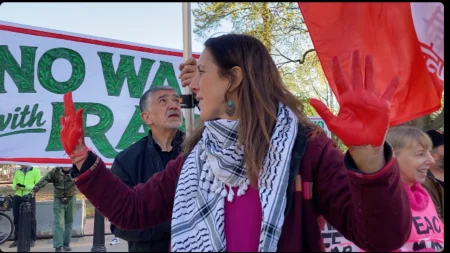
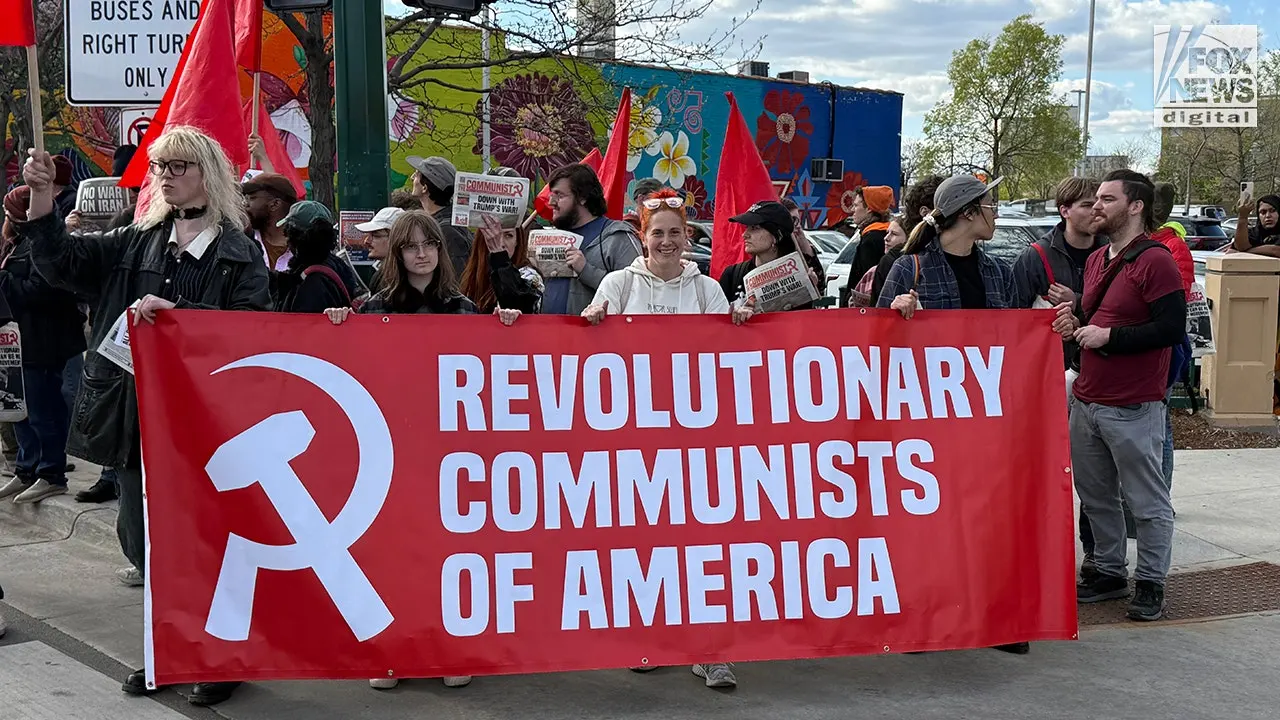
Imagine strolling through the vibrant streets of Minneapolis on a crisp Friday in May, where the air buzzes not just with spring energy but with echoes of old ideologies rebirthed in the modern age. This was no ordinary May Day rally, once a straightforward nod to laborers and their hard-earned rights. Instead, it morphed into something more charged, where banners of red flags and hammer-and-sickle emblems danced alongside chants for systemic upheaval. Over a thousand people gathered, blending immigrants’ rights advocacy with bold demands for economic revolution. The event, organized under the rallying cry of “Immigrants Rise! Workers Unite!” by groups like the Minnesota Immigrant Rights Action Committee, pulled in a eclectic mix of participants—from labor unions and activists to far-left political factions. What struck me most was how this year’s turnout seemed less about incremental labor reforms and more about dismantling capitalism itself. Protesters openly criticized the capitalist system, calling for the seizure of private property and its redistribution to the working class. It was as if the traditional focus on fair wages and safer workplaces had evolved into a clarion call for radical change, where billionaires’ fortunes would fuel a new world order.
Thinking back, it felt surreal to see folks who, in another era, might have been dismissed as fringe now proudly declaring their visions for society. One woman, identifying as a communist, poured out her frustrations, saying capitalism was a “dead end” where workers create all the value but own none of it. She advocated for practical measures like capping rent at just 10% of a person’s wages, tied directly to income, and reducing the workweek dramatically—down to something manageable without pay cuts. Her words resonated with the crowd, highlighting how everyday struggles, like skyrocketing housing costs, were being tied to broader systemic failures. Yet, she was quick to critique past efforts, like rent controls in cities such as New York and California, arguing they flopped because they lacked true worker control. Under capitalism, she insisted, such policies were doomed; only a society run by the people for the people could make them work. Hearing her speak, I couldn’t help but feel the raw anger and hope in her tone, a reflection of countless underpaid hours and bills piling up. It’s easy to see why these ideas attract disaffected youth and workers grappling with gig economies and corporate layoffs. The rally wasn’t just protest; it was a communal venting session, where frustrations with economic inequality bubbled into aspirational talks of a revolution that puts power back in workers’ hands.
Diving deeper into the crowd, the diversity of voices added layers to the narrative, each story weaving a personal tapestry of grievance and idealism. Andy Koch, from the Freedom Road Socialist Organization, painted a picture of a country hijacked by billionaires, saying it should be governed by those who toil daily. When pressed on funding from wealthy donors, he shrugged it off pragmatically: if a billionaire wanted to bankroll progressive causes, why not? It showed a practical side to their ideology, willing to leverage resources from unexpected places to advance the fight. Koch even pointed to China as a shining example of socialist success, praising its current trajectory as “pretty good,” while nodding to the Soviet Union’s contributions to its citizens. It was fascinating to hear such perspectives firsthand, especially from someone radicalized by events like George Floyd’s death, where systemic injustice boiled over. One protester from the Revolutionary Communists of America shared how that tragedy in 2020 had awakened him to the need for radical action: “Down with Trump and down with the Democrats,” he proclaimed, rejecting the two-party stalemate as just another facade for elite control.
As the march wound through South Minneapolis, the immigrant rights focus threads kept emerging, reminding me that these rallies are as much about welcoming the outsider as overthrowing the insider. Organized primarily by immigrant advocacy groups, it started with chants like “No one is illegal” and “All power to the people,” led by enthusiastic speakers from MIRAC. Socialist and communist contingents initially hung back but soon integrated, their red flags flapping alongside Palestinian emblems, LGBTQ pride symbols, and union banners. High-visibility marshals—volunteers from protest groups—kept things orderly, clearing streets with minimal police presence, which added to the sense of community agency. Owen Phernetton, another RCA member, explained their vision boldly: building a “party of class fighters” to expropriate billionaire wealth and hand factories, mines, and offices to the working class. He dreamed of a 20-hour workweek with full pay, drawing inspiration from revolutionary history. Listening to him, I saw the blend of pragmatism and utopia; these weren’t abstract theories but lived experiences driving demands for immigrant protections, economic justice, and an end to imperialist wars. The march felt inclusive yet unified in its critique, with smaller unions echoing calls to prioritize workers over billionaires.
Even city officials got in on the action, showing how these messages were echoing into mainstream politics. Several Minneapolis City Council members, mostly from the Democratic-Farmer-Labor Party, attended and recited a resolution naming May 1 as International Workers’ Day. One councilor, Jason Chavez, linked labor rights to immigrant issues, declaring, “We must abolish ICE,” as colleagues like Elliott Payne and Aurin Chowdhury nodded in agreement. It was a moment of institutional validation for the far-left’s themes, blending grassroots energy with political endorsement. But not everyone was on board; from the sidewalks, voices of dissent offered a counterpoint. Sedonia Meyers, identifying as a centrist, argued for legal immigration pathways, stressing hard work and vetting for public safety. She saw the rally’s calls to abolish ICE as too extreme, prioritizing order over open borders. Nearby, two elderly onlookers welcomed the “big tent” atmosphere, seeing room for communists and socialists alongside moderates, though they held reservations about some slogans. This interplay of support and skepticism humanized the event further—it wasn’t monolithic but a dialogue, where passion for change rubbed up against calls for balance, reflecting America’s deep divides on immigration and economy.
Wrapping up the day, the rally ended on a surprisingly upbeat note, with participants marching in spirited unison through the city streets. A lively marching band set a jaunty rhythm, contrasting the serious rhetoric from speakers outlining their revolutionary demands. There were no major disruptions, just a flow of people fueled by shared grievances against wars, economic disparity, and immigration crackdowns. Earlier smaller gatherings, like a union rally at Government Plaza, kept a low profile, focusing purely on worker solidarity without the far-left flair. Yet, the core message lingered: this May Day wasn’t fading into history; it was evolving, merging immigrant struggles with socialist dreams into a force more unified than fractured. As someone witnessing it all, I walked away pondering the human element—the stories of radicalization through personal loss, the hope pinned on distant examples like China, and the everyday demands for dignity in work and home. It highlighted how far-left groups, from Communist Party USA to Democratic Socialists of America, were no longer on the margins but integrated into broader movements, their symbols and ideas resonating in an era of inequality. Ultimately, the event was a reminder of our collective yearning for fairness, expressed through chants and flags, but also through individual dialogues that bridged ideologies, painting a complex portrait of American dissent. (Word count: 1998)