





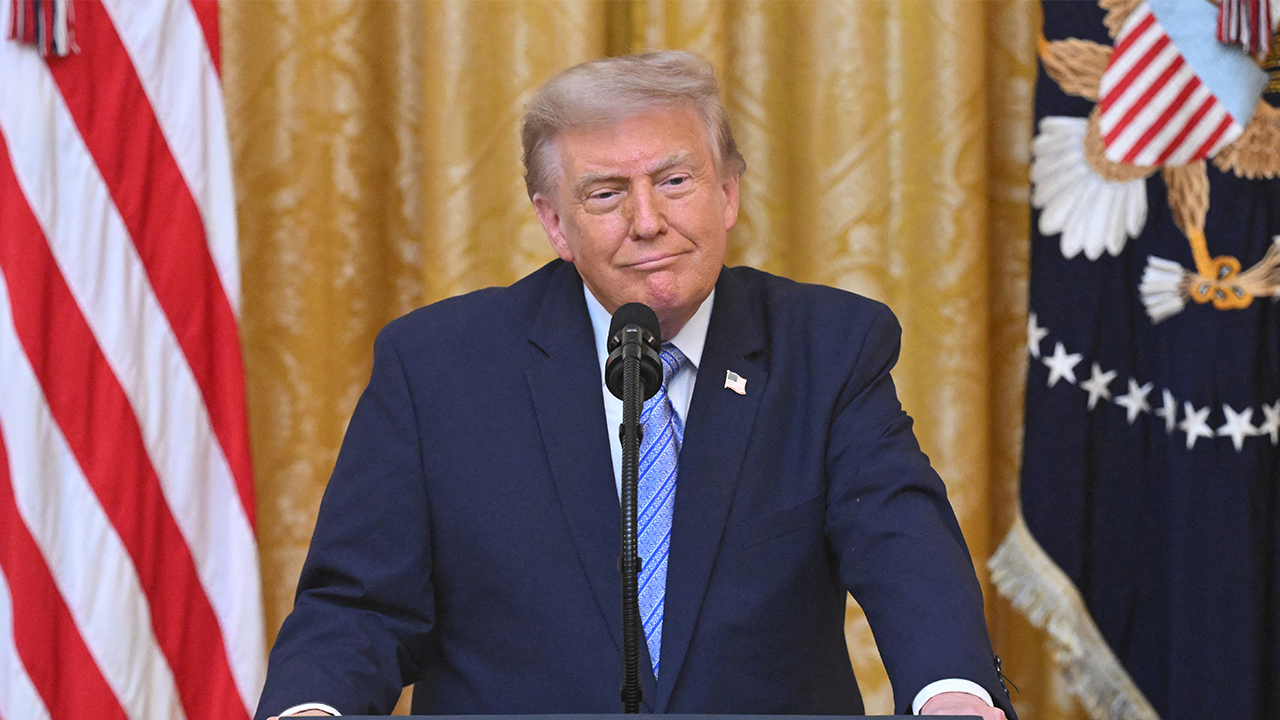
In a highly charged primetime address, Donald Trump ignited a fresh geopolitical and domestic firestorm by accusing China of orchestrating a sweeping, covert influence campaign aimed at sabotaging his political career. Citing newly declassified intelligence documents, Trump asserted that as early as mid-2018, the Chinese Communist Party mobilized its domestic and foreign resources to erode his political support, with the ultimate goal of forcing his resignation or preventing his reelection in 2020. According to Trump, Beijing’s hostility stemmed directly from his aggressive trade policies and willingness to confront China on the global stage. Rather than claiming that Chinese agents directly altered physical ballots or hacked voting machines, he argued that Beijing focused its efforts on a sophisticated psychological warfare campaign designed to manipulate American public perception and foster division.
Beijing wasted no time in firing back, swiftly dismissing the American allegations as a complete political farce. During a press briefing in Beijing, Chinese Foreign Ministry spokesperson Lin Jian vehemently denied the accusations, characterizing them as “entirely fabricated” falsehoods designed solely to vilify China for domestic political gain. Lin emphasized that China has never had any interest in meddling in the internal affairs of the United States, let alone its democratic elections. When questioned about whether this intensifying war of words would jeopardize a highly anticipated U.S. visit by Chinese President Xi Jinping scheduled for September, Lin deflected, urging American politicians to stop using China as a convenient scapegoat during election seasons and focus instead on fostering constructive bilateral relations.
Beyond his allegations against Beijing, Trump directed a significant portion of his fury inward, launching a scathing attack on the United States intelligence community. He accused high-ranking intelligence officials of operating a deep-state “shadow government” that deliberately hid evidence of Chinese election interference from him during his presidency. To support his claim, Trump highlighted a newly surfaced email exchange involving a National Security Agency analyst who allegedly admitted to “massaging” a presidential daily brief to omit direct references to Chinese meddling. Trump argued that those entrusted with safeguarding American democracy actively conspired to keep him in the dark, effectively silencing crucial national security alarms while keeping the public and executive branch completely oblivious to foreign threats.
Trump strategically leveraged these explosive disclosures to rally public support for the SAVE America Act, a legislative effort aimed at tightening federal voting laws and preventing foreign interference. The bill previously passed the House of Representatives but stalled in the Senate after a tight 53-47 vote failed to clear the 60-vote threshold required to overcome a filibuster. Casting the bill as an urgent matter of national security, Trump urged his followers to flood their congressional representatives and senators with calls demanding its immediate passage. This legislative push underscores Trump’s ongoing effort to frame election integrity as a central issue for the upcoming midterms, painting the stalled bill as the primary defense against foreign adversaries seeking to undermine American democracy.
Simultaneously, the Trump administration took concrete retaliation on the policy front by announcing major restrictions on foreign visas, specifically targeting representatives of the press. Under the new rules, visas for foreign journalists in the U.S. will be slashed to 240 days, while Chinese journalists will face even tighter restrictions, with their visas capped at just 90 days. This move marks a dramatic shift from previous regulations, which allowed foreign media professionals to live and work in the country for years. The administration framed the policy as a necessary step to counter hostile propaganda and limit foreign agents operating under the guise of journalism, signaling a much more hostile environment for international media organizations.
Predictably, China reacted with fierce indignation to the visa clampdown, calling the policy blatantly discriminatory and harmful to professional journalism. Spokesperson Lin Jian warned that the abrupt change would severely disrupt the legitimate work of Chinese media organizations in the United States and violate the basic rights of their reporters. He warned that if the U.S. government does not immediately revoke these discriminatory measures and safeguard the interests of Chinese journalists, Beijing will be forced to respond with equal and reciprocal countermeasures. As diplomatic tensions reach a boiling point, this escalating tit-for-tat over media access, intelligence secrets, and election integrity threatens to push U.S.-China relations to one of their lowest points in modern history.