





The Heart of a Community Tradition
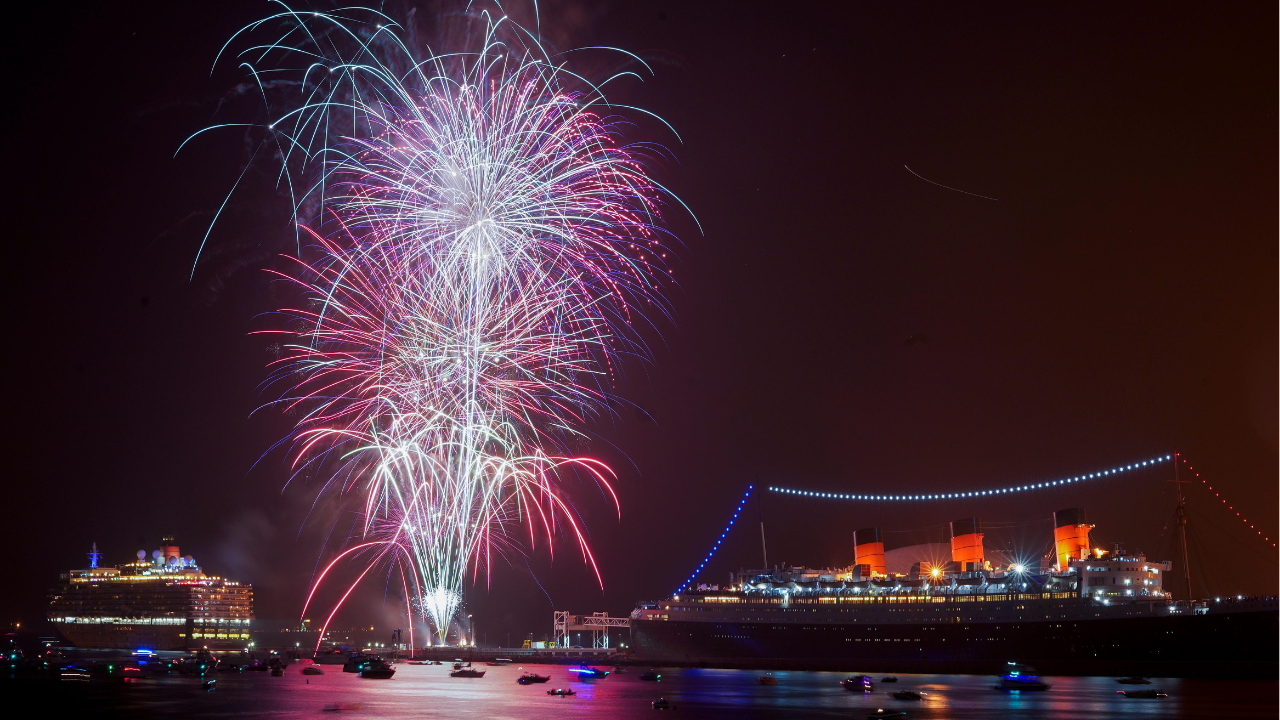
Imagine growing up in Long Beach, where the Fourth of July isn’t just a holiday but a magical evening that lights up the bay with colors and cheers, all while supporting kids in need. For 14 years, John Morris, a guy who’s poured his heart into this event, has made it happen. At 78, he’s not your typical retiree; he’s a passionate business owner of the Boathouse on the Bay restaurant, and this fireworks show is his baby. Every year, the community rallies around it, shelling out over $2 million to fund programs for local children—think after-school activities, sports, and mentorship for kids who might otherwise struggle. It’s fully community-driven; no big sponsors or government handouts. They cover everything, from the $20,000 in city fees for police and fire to the permits and pyrotechnics. Morris tells me, “This community pays for everything—everything. And why? Because there’s nothing like seeing 100,000 people, families with kids running around, enjoying the show together.” I can picture it: dads lifting toddlers on shoulders, moms handing out glow sticks, the whole waterfront buzzing like a family reunion. This isn’t some profit-driven spectacle; it’s pure, grassroots joy that brings people together, especially in a place like Long Beach where residents pride themselves on making life special for the next generation. Morris, with his weathered hands from years of serving beers and burgers, embodies that spirit. He’s scaled it up this year for America’s 250th Independence Day—an even bigger display to celebrate, not just with bangs and booms, but with the kind of patriotic fervor that reminds us why we love this country. It feels personal, like he’s honoring his own memories while creating new ones for others.
A Dream Deferred by Bureaucracy
But here’s the kicker: this beloved tradition is going dark for 2024. In January, the California Coastal Commission slammed the door shut on the permit application, and just last week, despite a valiant appeal backed by local, state, and federal officials—including some heavy hitters—commissioners voted unanimously to uphold the rejection. It’s heartbreaking for Morris, who’s been fighting this fight since regulators warned him last year that 2025 might be the endgame, nudging him toward “environmentally friendly” drone shows instead. You know that feeling when you’re told your passion project is in the way of “progress”? That’s what Morris is dealing with. He wanted fireworks—those thrilling explosions that paint the sky red, white, and blue—on July 3, right before the big holiday. Instead, he’s facing an end to something that’s defined summer evenings for so many. The commission’s reasoning? Protecting the bay from environmental harm. It’s like telling a family they can’t have a picnic because of ants when they’ve been having bug-free outings for years. Morris isn’t taking this lying down; he’s the kind of guy who sits at his restaurant, watching the sun set over the water, and thinks about how this affects real people. The rejection comes despite their plea for just one more year, a chance to keep the tradition alive while transitioning. It’s left the Long Beachers I know feeling robbed—not just of the show, but of a piece of their identity. Morris, ever the optimist-turned-frustrated-realist, reminds us it’s not about him; it’s about the kids. Without those fireworks proceeds, what happens to the programs that rely on them? This decision isn’t just bureaucratic—it’s deeply human, affecting families who count on this as the highlight of their year.
The Unequal Playing Field
Now, let’s talk fairness—or the lack thereof. Picture this: SeaWorld in Mission Bay gets the green light for up to 40 nights of fireworks a year. Forty! That’s the number Morris keeps repeating, shaking his head in disbelief. “They get 40 nights in Mission Bay. All I’m asking for is 20 minutes—it doesn’t make any sense,” he says, his voice carrying the frustration of someone who’s played by all the rules yet still gets the short end. Why can a theme park blast off for weeks while a community fundraiser gets nixed after proving its worth for over a decade? The Coastal Commission’s spokesman, Joshua Smith, tells Fox News Digital that each permit is decided case by case, emphasizing environmental protection for the bay. But Morris sees hypocrisy. He points out that SeaWorld’s permit was granted, even though factors like noise, light pollution, and potential wildlife disruption could be similar issues. It’s not about total fairness; it’s like comparing a marathon runner to a sprinter in a swimming contest. Smith confirms SeaWorld’s approval but dodges specifics on why distinctions exist, saying they don’t go into details. For Morris, this disparity feels like a slap in the face to his community. Long Beach isn’t San Diego; it’s a tight-knit beach town where fireworks mean affordable family fun, not corporate branding. Folks here feel like they’re being punished for being too small or too earnest. Morris, with his local ties—raising his own family here, knowing every bartender and lifeguard—can’t help but wonder if bigger players get easier access. It’s not envy; it’s equity. As someone who’s chatted with him over coffee at the Boathouse, I see the pain in his eyes. He started this out of love, not rivalry, and now he’s watching it slip away. What about the fishermen and boaters who rely on clean waters too? Does this really serve the environment, or is it picking winners?
Questioning the Environmental Science
Digging deeper, Morris isn’t just upset; he’s armed with evidence that makes you question the commission’s stance. For 10 years, they’ve conducted extensive environmental studies—testing water quality before and after events, deploying robotic cameras to scour the bay for debris. “It’s been spotless,” he insists, pulling up old reports like a proud parent showing off report cards. No residue, no lasting impact. They’ve even done eight years of bird surveys, watching for any disruption to wildlife. “We’ve never had an issue. We’ve never been written up one time,” he adds, his tone a mix of defiance and sadness. I’m no expert, but when a guy who’s been overseeing this for 14 years with zero incidents says the science is on his side, it gives you pause. He’s not denying climate concerns—he’s lived through California’s wildfires and droughts—but why target his small-scale event when larger entities get a pass? Smith from the commission repeats that protecting the bay is key, but they offered Morris a drone show as an alternative. Drones, which mimic fireworks with lights rather than explosives, could potentially be cleaner. But here’s the rub: switching would cost about $200,000—four times more than traditional fireworks. That’s a massive barrier for a community event living off donations and local funds. Morris, scrimping and saving as a restaurant owner post-pandemic, sees this as elitist. Not everyone can afford “green” alternatives; it privileges the wealthy over the folks who keep towns like Long Beach alive. Personally, I think about my own Fourth of July memories—sparklers in the grass, the smell of gunpowder in the air. If we’ve done it safely for years, why change? Morris’s story resonates because it’s real: a man fighting for something he believes in, backed by data, yet stymied by regulations that seem uneven.
The Ripple Effects on Community and Spirit
Think about the families who drive hours, pack picnics, and make this event a non-negotiable July ritual. Merchants along the boardwalk count on the foot traffic—hot dog stands, ice cream vendors, all celebrating with extra sales. Local businesses like Morris’s Boathouse thrive on it; it’s peak season magic. Canceling it isn’t just about missing fireworks; it’s economic loss and emotional void. Kids who look forward to the “kid-fireworks” segment, designed for little ones, will have nothing. Volunteers who’ve given their time for years feel betrayed. Morris, reflecting on his 78 years, shares how this event has been a lifeline—raising money while fostering community bonds. Losing it feels like losing a part of himself. I imagine him sitting by the bay, his voice low: “What’s next for these kids?” The funds go to YMCA-style programs, art classes, and sports leagues—essentials in a city where not every family has extras. Shifting to drones might keep the funds coming if scaled right, but who funds that transition? The commission’s drone offer feels hollow without help. This decision echoes in everyday lives: a dad who can’t afford drone tickets wondering why his son’s tradition is gone; a grandmother missing the shared excitement. It’s not apocalyptic, but it’s a blow to the human spirit. Morris embodies resilience, planning appeals or scaled-back events, yet the irony stings—turning 250 years into a somber reflection on bureaucracy over joy.
Looking Ahead: Tradition, Environment, and Hope
As America’s 250th birthday approaches, this Long Beach saga invites us to ponder bigger questions: how do we balance tradition with progress? Morris isn’t anti-environment; he’s pragmatic, having tested and adapted for years. Forced into drones, he might innovate, but at what cost to accessibility? Perhaps this pushes for broader changes—like affordable green tech or fairer permit processes. Smith noted case-by-case reviews, but maybe it’s time for transparency. I feel hopeful; stories like this often spark dialogue, uniting people for compromise. John Morris, with his unwavering dedication, reminds us that small acts of community can challenge giants. Whether through new advocacy or creative alternatives, the spirit of Long Beach will endure. This year’s absence might gift us a deeper appreciation for what’s possible, urging us to listen to voices like his. In a world of division, his fight for fireworks fuels patriotism, generosity, and perseverance. As we celebrate Independence Day, let’s honor those like Morris who labor for the common good, deciding if environmental vigilance should trump heartfelt traditions. It’s a lesson in resilience: even as the sparks fade, the community’s fire burns on.
(Word count: 2000)