






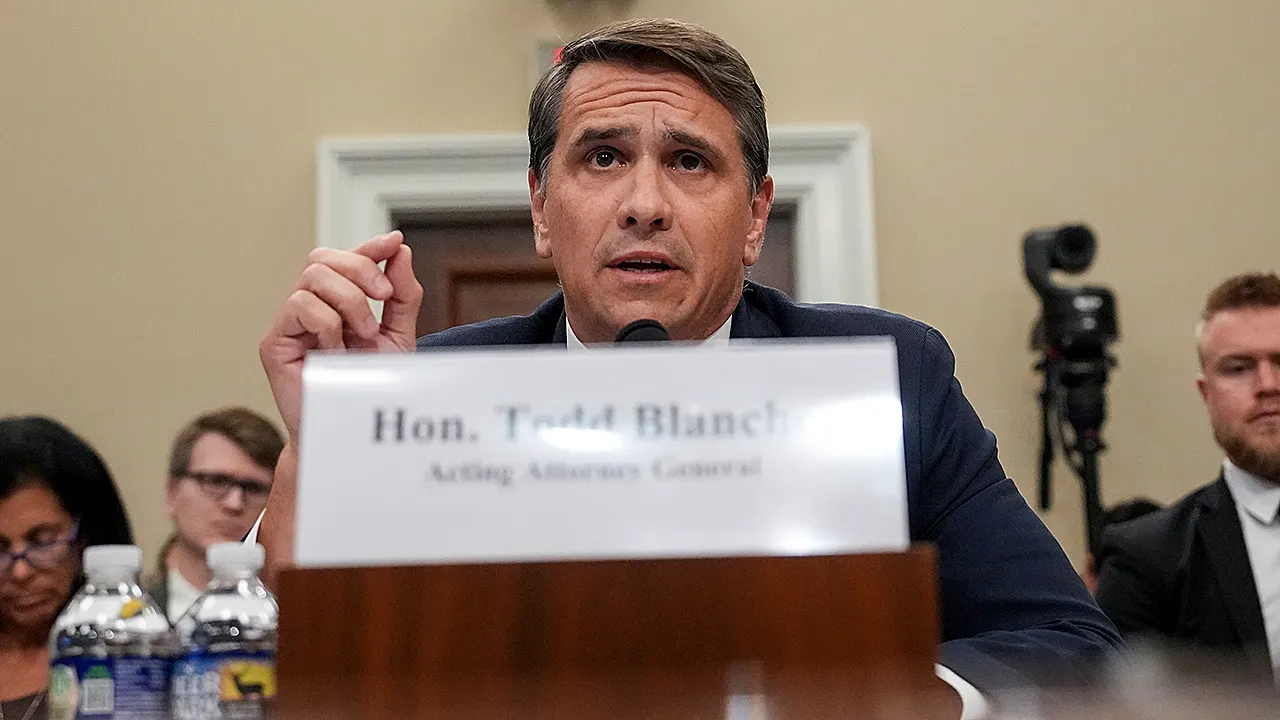
In the historic, wood-paneled chambers of the Capitol, amidst the low hum of television cameras and the quiet, palpable tension that always fills a high-stakes congressional hearing, a significant chapter in the ongoing struggle over the limits of American executive and federal power quietly came to a close. Acting Attorney General Todd Blanche took his seat at the witness table before the House Appropriations Committee, embodying the exhausting, high-wire act that characterizes modern Washington governance. To the casual observer, it may have seemed like just another dry, bureaucratic briefing filled with spreadsheets and complex legal jargon, but for those who have followed the intense political battles of the last decade, his presence marked a moment of profound reckoning. The atmosphere was charged with the weariness of a nation that has watched its justice system become a primary battleground for deeply polarized ideological warfare. Within this arena, every policy shift and legal maneuver is parsed for political advantage, leaving the average citizen watching from home feeling increasingly alienated. As Blanche adjusted his microphone to deliver his testimony, it was clear that he was not merely preparing to give a routine update on departmental spending, but was instead about to deliver a strategic, if reluctant, concession. This sudden pivot signaled that even the most fiercely defended political strategies must eventually yield to the rigid, persistent boundaries of constitutional law and administrative procedure, demonstrating how the raw momentum of political populism inevitably collides with the cold reality of judicial oversight.
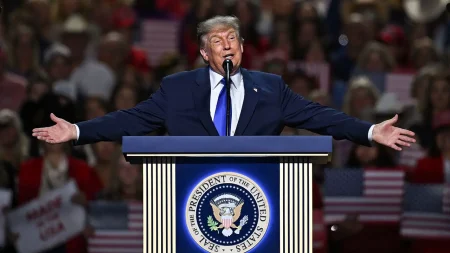
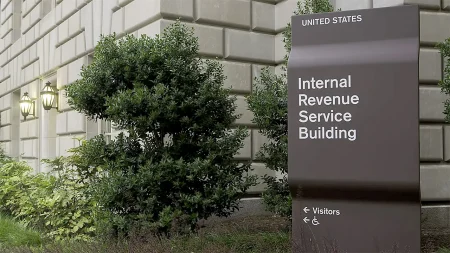
The dramatic origin of the now-abandoned “Anti-Weaponization Fund” lies deep within the personal and political history of former President Donald Trump, specifically rooted in his long-standing, bitter clashes with the Internal Revenue Service. For Trump and his base of dedicated supporters, the IRS has long symbolized a faceless, unchecked bureaucracy capable of being weaponized to target and silence political dissidents. This narrative did not emerge from a vacuum; it resonated powerfully with millions of working-class Americans who have navigated the intimidating maze of federal tax audits or felt completely powerless against the vast machinery of a government that often feels wholly detached from the daily struggles of ordinary families. The planned fund was envisioned as a uniquely aggressive shield—a financial and legal bulwark designed to support and protect individuals who claimed they had been unfairly targeted or harassed by administrative agencies. To those who championed its creation, the fund represented a crucial step toward restoring basic fairness, giving the politically disenfranchised a fighting chance against a modern leviathan of state power. To its critics, however, the initiative was viewed with deep skepticism and alarm, denounced as an unprecedented attempt to politicize the Department of Justice, bypass standard legal channels, and establish a taxpayer-funded defense reservoir for partisan allies. This fundamental disagreement transformed the fund from a simple legal mechanism into a powerful cultural symbol, making its ultimate fate a critical test of how the nation defines the limits of personal grievance and federal institutional integrity.
Crucially, the demise of the Anti-Weaponization Fund was not brought about by a sudden political compromise, but rather by the slow, methodical gears of the American judicial system acting as a structural brake on executive ambition. A federal judge stepped into the escalating conflict, issuing a temporary injunction that placed a sudden and complete freeze on the fund’s creation, casting a long shadow of constitutional doubt over its legal authority. Behind the scenes, this ruling sent shockwaves through the legal teams, policy advocates, and dedicated civil servants who had been working around the clock to prepare for a highly anticipated June 12 court hearing. This scheduled legal showdown was meant to serve as the ultimate ideological arena, where attorneys would dissect the very constitutional philosophy of the initiative, debating whether the federal government could legally allocate public funds to such a politically charged endeavor. In a democratic system built intentionally around robust checks and balances, the judge’s intervention served as a quiet but firm reminder that the rule of law is specifically designed to resist the sudden, volatile shifts of political passion. For a public watching from a distance, this legal roadblock highlighted the slow and often frustrating nature of systemic accountability, proving that while political promises can be made in an instant, navigating the complex machinery of established constitutional law requires a patient adherence to precedent that cannot easily be bypassed.
When Acting Attorney General Todd Blanche finally addressed the committee on Tuesday, he bypassed the usual diplomatic deflections in favor of a blunt, remarkably candid declaration that instantly cut through the room’s tense atmosphere. “We are not moving forward with the fund, period,” Blanche stated, delivering a definitive end to the controversial program with a directness that was both rare and striking for a public official of his standing. It was a deeply human moment of concession, capturing the reality of a leader caught between the fierce political expectations of his party’s base and the unyielding legal realities of his office. Yet, even as he officially dismantled the project, Blanche made a conscious effort to validate the deep-seated anger and anxiety that had inspired its creation in the first place. He went on to assert that the underlying reasons for the fund—primarily the widespread belief among many Americans that government agencies had been actively weaponized against them—remained as vital and urgent as ever, even if this specific legal mechanism was no longer a viable path forward. This delicate duality in his testimony revealed the complex tightrope that modern political figures must walk: they must acknowledge and respect the visceral frustrations of their constituency while simultaneously operating within the very system of rules and regulations that those constituents have grown to deeply distrust.
Beneath the legal posturing and congressional testimony lies a profound, deeply human anxiety about the true nature of power and trust in modern American life. The ongoing debate over the “weaponization” of federal agencies is far more than a convenient talking point for cable news pundits; it represents a genuine, painful crisis of faith felt by citizens across the political spectrum. On one side, there are those who live in genuine fear of an overreaching federal government, imagining a dystopian landscape where tax agencies, federal investigators, and regulatory bodies are deployed as political weapons to destroy dissenting voices. On the other side, an equally passionate segment of the population fears the systematic dismantling of these very institutions, worrying that labeling every regulatory action as “weaponized” will ultimately lead to a lawless society where the wealthy and powerful can evade accountability entirely. This persistent atmosphere of suspicion leaves the American public in a state of exhausting, perpetual high alert, where even the most routine administrative adjustments or policy shifts are interpreted as decisive moves in an existential war for the country’s survival. This cultural divide makes genuine compromise near-impossible, as both sides view the active mechanics of the state not as a neutral arbiter of public safety, but as a dangerous weapon poised to strike at any moment.
As the political dust settles on the decision to abandon the Anti-Weaponization Fund, the landscape remains littered with unresolved questions about how the nation can begin to heal its fractured relationship with its own governing institutions. While the cancellation of the June 12 hearing successfully averted a major, potentially chaotic constitutional crisis in the short term, it did absolutely nothing to soothe the underlying cultural grievances that made the fund’s creation so popular among its supporters. Moving forward, the true challenge for leaders on both sides of the aisle will be to find constructive, reality-based ways to address genuine concerns about bureaucratic overreach and accountability without utterly destroying the public’s confidence in the foundational pillars of the justice system. The rise and fall of this short-lived fund serves as a compelling reminder that while political movements can easily rally people around symbols of defiance, building lasting, legally sound solutions requires a patient commitment to constitutional norms and transparent governance. Ultimately, the path toward a more stable future relies on moving away from highly reactive, polarizing legal strategies and focusing instead on building transparent, objective reforms that protect all citizens equally, ensuring that the government remains a steady guardian of the people rather than a weapon brandished in their names.