






The Paradox of Plenty: How Oil’s Troubles Are Boosting Renewables
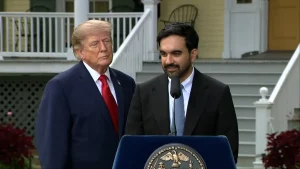
Imagine a world where the very fuel that powers our economies—the black gold we’ve relied on for centuries—is suddenly choked off at its most vital chokepoint, the Strait of Hormuz. This isn’t a dystopian fantasy; it’s the reality we’re facing today. Experts like United Nations climate chief Simon Stiell are pointing out an “immense irony”: as leaders like U.S. President Trump push for more oil and gas production, disruptions in global supply chains are unexpectedly accelerating the shift to clean energy. Stiell notes how nations addicted to fossil fuels are now fueling a renewables boom they didn’t intend. With U.S. aggression toward Iran effectively closing a route that handles one-fifth of the world’s oil trade, the spotlight is turning—reluctantly—to wind, solar, and batteries. It’s a twist of fate that feels almost poetic: the fossil fuel giants, in their scramble to dominate, are highlighting the vulnerabilities of their own empire. Advocates for renewables see this as a tipping point, a moment where economic pragmatism collides with environmental necessity. Picture everyday families watching gas prices soar, not just due to inflation but global tensions, and deciding they’ve had enough. This sentiment is echoed in recent reports from the International Renewable Energy Agency (IRENA), which reveal how falling renewable costs are making them not just viable, but irresistible. Solar and wind, once dismissed as erratic, are now outpacing fossils in cost-effectiveness, especially with battery storage smoothing out the intermittency. For instance, projects in sunny China are delivering electricity at half the price of gas, while even fossil-rich Saudi Arabia is eyeing solar as a cheaper alternative. Humans connect deeply with stories of resilience and adaptation, and this is one: from the high seas of oil trade to rooftops gleaming with panels, the energy landscape is reshaping in ways that prioritize security over stubborn ideology.
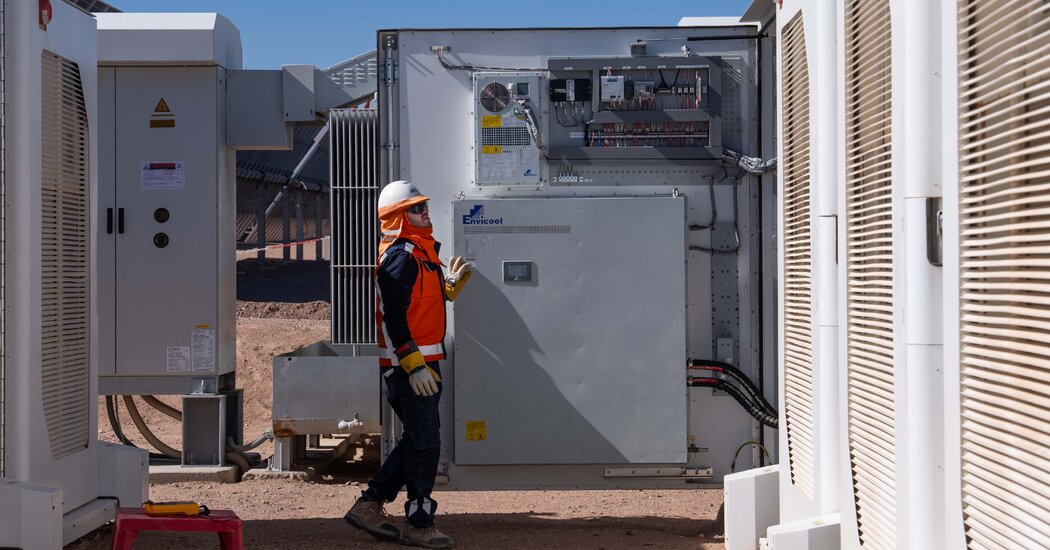
As I sit here reflecting on these shifts, it’s hard not to feel a spark of hope amidst the chaos. The IRENA report, released amid the oil turmoil, paints a vivid picture of technological leaps that are turning once-weak renewables into powerhouse solutions. Batteries, once bulky and risky due to fire hazards, have evolved dramatically—costs plummeting 93% since 2010, life spans extending, and safety improving through engineering ingenuity. Francesco La Camera, IRENA’s director general, speaks with conviction: renewables are entering “new territory,” where storage ensures dominance in our energy systems. It’s like finally fixing the temperamental old car that’s always stalled at the worst times; now it’s reliable enough for critical needs, such as powering data centers that keep the digital world humming. Countries are responding humanely, if hastily: China broke export records for solar panels in March, doubling shipments to eager buyers in Nigeria, India, and Australia. Analysts warn some of this surge might be pre-emptive—rushing orders before a looming policy hike jacks up prices from April. Yet, underpinning this is a broader trend: electric vehicle (EV) sales surging in Europe and Asia, heat pump installations climbing as homes seek energy independence. On a personal level, I’ve seen friends trading gas-guzzling SUVs for EVs, not just to save money on fuel but to dodge the anxiety of geopolitics. This isn’t abstract; it’s our daily lives adapting to a world where fossil reliance feels increasingly unsustainable. Energy analysts like Nat Bullard urge us to “reduce dependence on imported petroleum,” a call that resonates with anyone who’s winced at the pump. Even in nations like the U.S., where costs for wind and solar are higher due to structural grid issues and past tariffs, the writing is on the wall—if we don’t innovate, we’ll be left behind economically.
The heart of this transition lies in affordability, a truth that touches everyone from billion-dollar corporations to single-income households. IRENA flags how solar costs in the sun-drenched terrains of the Middle East make it competitive even against cheap local gas. In the U.S., despite lags caused by permitting delays and Trump’s energy policies, the potential is undeniable. La Camera warns pointedly: “Do they want to remain competitive or not?” It’s a question that stirs national pride—imagine your economy paralyzed because foreign rivals offer cheaper green juice. Critics like White House spokesperson Taylor Rogers argue that renewables’ “intermittency” and costs make them unreliable, pushing instead for fossil dominance. She claims Trump’s focus on “reliable, affordable energy” echoes voter wishes, painting greens as threats to security. But real-world data counters this: global oil and gas prices are climbing, giving clean tech a “huge super-boost,” as David Jones from Ember research puts it. Engineers have tamed battery flaws—less fire risk, longer durability—transforming dilemmas into opportunities. Reflecting on my own energy bills, I’ve noticed how battery storage ties everything together, allowing renewables to deliver steady power even on cloudy days. This evolution isn’t just technical; it’s emotional. We’ve grown up fearing blackouts from storms or imports disrupted, but now envision a future where our homes produce their own power, resilient and affordable. Leaders clinging to fossils are, ironically, proving the point: vulnerabilities in oil are pushing us toward renewables faster than any summit could. It’s a reminder that human innovation thrives on challenge, turning crises into catalysts for change.
Yet, let’s be real about the hurdles—we’re not flipping a switch and waking up in a green utopia. As much as the renewables push excites, it’s grounded in realities that demand patience and pragmatism. Major wind farms or solar fields aren’t overnight miracles; they require years of planning, investment, and infrastructure. Industries like aviation and cement still lack fossil-free substitutes, their emissions a stubborn stain on progress. And for cash-strapped nations, a “wholesale switch” feels like a mirage. Trump administration decisions, like withdrawing from IRENA, signal resistance, yet global trends march on. I’ve spoken with folks in energy poverty-stricken regions who dream of solar but face barriers like access to funds or grids. This struggle humanizes the debate: it’s not just policy elites arguing; it’s families weighing the cost of heating against the promise of stability. Dave Jones captures this evolution: battery tech’s rapid change has everyone “trying to catch up,” its cost drops amplifying the win against high methane prices. In my conversations with skeptics, many admit renewables’ appeal grows as gas bills spike. The oil shock is a wake-up call, forcing us to confront dependencies we’ve long taken for granted. It’s urging a collective rethink—could this irony birth a more secure world? Optimists see it that way, with countries decoupling from imported fuels step by step.
Diving deeper into the human side, this shift feels like a quiet revolution bubbling from everyday choices. Remember when EV sales were niche? Now in Europe and Asia, they’re exploding, as consumers vote with their wallets against fossil volatility. Heat pumps, those unsung heroes of home efficiency, are selling like hotcakes, reducing reliance on gas furnaces. It’s not all altruism; economics drive it—renewables paired with storage beat fossils on cost in steady electricity provision. Personally, I’ve seen neighbors install solar panels not as a statement, but to combat rising utility bills. Nigeria, India, Australia—places importing Chinese panels—embody this hunger for change, despite reservations about policy-driven price hikes. Analysts like Bullard emphasize the “long-run signal” to cut oil ties, a message that lands personally: who wants energy security dictated by far-off conflicts? Even in oil-glutted Saudi Arabia, solar competes fiercely, its near-continuous output a game-changer. The U.S. lags somewhat, but as La Camera notes, competitiveness hangs in the balance. Rogers’ defense of Trump’s fossil focus highlights divisions, yet facts from IRENA undercut claims of renewables’ unreliability. Batteries have matured—engineers refining them to prevent failures that once scared adopters. Over coffee with friends, we’ve debated this: intermittency myths versus the reality of battery-backed stability. It’s intimate, this pivot; it’s about futures for our kids, freed from climate fears and import gambles.
Finally, as we contemplate this ironic boom, the renewable surge transcends headlines—it awakens collective potential. Stiell’s prophecy of leaders “supercharging” greens through fossil promotion rings true, painting oil’s troubles as an unwitting ally. From record solar exports to battery conquests, technology is democratizing energy. Challenges persist—grid issues, high upfront costs, industries stuck on carbon—but they’re surmountable. In the U.S., while Trump’s tariffs slow adoption, global competition will force evolution. Jones sees it as fundamental change, economies tilting toward clean tech. For us humans, it’s exhilarating yet grounding: a chance to build resilience against shocks. Imagine a world less beholden to volatile oil, more empowered by sustainable sources. This isn’t doom, but dawn—irony fostering a brighter, steadier energy tomorrow. As we adapt, we humans become stewards of that shift, one panel, one EV at a time.