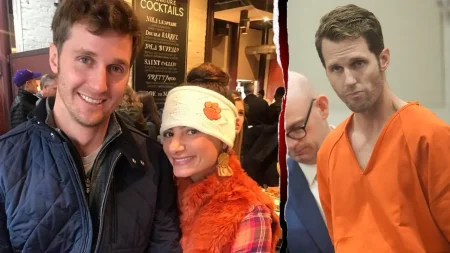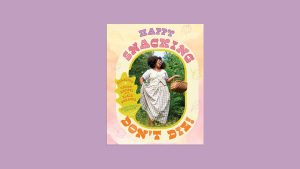






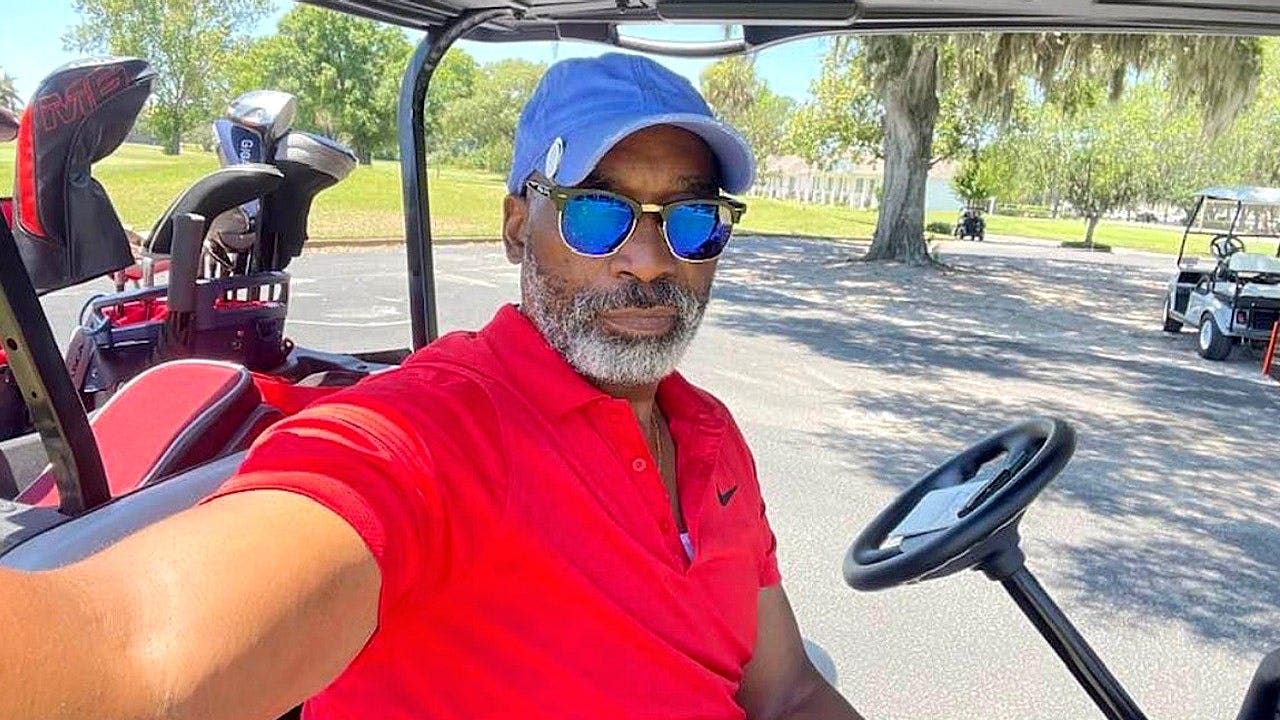
In the sun-dappled world of Florida’s sprawling retirement haven, The Villages, where golden years are supposed to sparkle with carefree living, a startling irony unfolded recently. Picture a pastor named Leslie Williams, a 62-year-old man whose life seemed built on spiritual guidance and marital wisdom. He wasn’t just any minister; he ran Leslie Williams Ministries right there in this vibrant community, offering sermons that touched on timeless values. Williams had even penned a book back in 2017 called “Love Her Like This: Loving Her Has Never Been Deeper,” which promised readers a roadmap to unbreakable love, inspired by biblical teachings. The book’s cover blurb highlighted the devastating divorce rates in churches and urged men to emulate Christ’s deep sacrifice for their wives, fostering commitments that could stand the test of time. Yet, behind this facade of pious devotion lurked a personal life shrouded in mystery and contradiction, setting the stage for an unraveling that no one saw coming. Williams presented himself as an “apologist and teacher of the word of God,” delivering messages to inspire congregations in an era of fleeting relationships. His online persona on Facebook added layers to this man—jovial posts, family announcements, and a sense of exuberance that made him relatable, almost endearing, to his followers who saw him as a beacon of faith amidst the everyday chaos of life.
The twist came suddenly on a Wednesday, when reality crashed through the serene facade of The Villages. Authorities stormed the retirement center, arresting Williams on an outstanding warrant from Georgia, charging him with bigamy—a crime that feels almost archaic in today’s world, yet packs a legal punch that echoes through family laws. He was hauled in by the Sumter County Sheriff’s Office in Florida, despite no local charges against him. The core of the accusation? Williams had allegedly married multiple women while still legally wed to a previous spouse. Rockdale County, Georgia, held the key, issuing the warrant after confirming Florida marriage records showed he was tied to one woman at the time he supposedly wed another. Held without bond as an out-of-state fugitive, Williams now awaits extradition to Georgia, where his fate hangs in the balance. It’s a story that humanizes the grind of law enforcement—the painstaking cross-jurisdictional work, piecing together records to unravel deceit. Imagine the detectives poring over documents, verifying marriage certificates that revealed layers of deception, all while Williams was preaching morality from the pulpit. The irony stings: a man who wrote about eternal love being betrayed by his own actions, leaving a trail that led straight to handcuffs in a place synonymous with second chances.
Delving into how this scandal surfaced paints a vivid picture of everyday suspicion amplified by social media. It all began with a sharp-eyed complainant tipping off the Haines City Police Department in Florida, flagging concerns about Williams’ marital status. What started as whispers turned into a full investigation when records traced his prior marriage back to Rockdale County, shifting jurisdiction northward. On Facebook, the pastor’s digital footprint told a conflicting tale— a post from December 2018 celebrating his “saved, beautiful and talented wife” named Cindi, complete with a beaming photo that screamed joy and commitment. “The HAPPIEST MAN on earth!!” he exclaimed when questioned about its authenticity, his posts dripping with enthusiasm that probably warmed hearts online. But skepticism crept in from a friend puzzled by it all: “Wow I thought you were already married. Congratulations!!” Fast-forward just two months, and the cover photo vanished, replaced by an innocuous image of a car, his relationship status flipping from “married” to “single.” It’s heartbreakingly human—the rocky undercurrents of relationships playing out publicly, where fleeting happiness gives way to abrupt changes, hinting at fractures beneath the surface. The warrant hit on April 3, transforming personal turmoil into a criminal matter, reminding us how one risky decision can shatter a carefully curated image.
Williams’ public persona as a devoted spiritual leader makes the bigamy charge even more poignant, especially with his book looming as a ghost of unmet ideals. “Love Her Like This” wasn’t just pages; it was a manifesto against divorces in faith communities, urging men to love their wives with Christ’s sacrificial depth. Reading between the lines of his biography—describing himself as a minister with “relevant and timely messages”—one wonders if his teachings reflected his reality or served as a coping mechanism for inner conflicts. Running a ministry in The Villages, a place of leisure and longevity, positioned him as a guide for the elderly, offering solace in a world where retirement often amplifies loneliness. Yet, his alleged actions suggest a man entangled in contradictions, perhaps grappling with desires that clashed with his vocation. It’s easy to empathize with the shock of followers who relied on his wisdom, now facing the betrayal of trust. This isn’t just about lawbreaking; it’s a tale of a leader’s fallibility, where the fervor for godly love masked a personal struggle that blindsided everyone, including possibly himself.
To grasp the full context, one must consider The Villages itself—a massive retirement utopia outside Orlando, often touted as a slice of paradise for seniors with its golf courses, pools, and lively social scene. But for years, rumors have swirled like wildfire: tales of a clandestine swingers community, public escapades, and suspiciously high rates of sexually transmitted diseases. It’s a place where freedom meets excess, and alongside the wholesome activities, a darker undertone persists, as reported by outlets like the Associated Press. Placed against this backdrop, Williams’ ministry stands out ironically, a beacon of chastity in a rumored hub of hedonism. Did the environment influence him, or did he attract followers seeking redemption amidst the revelry? The community’s mixed reputation humanizes the story further—painting The Villages not as a monolith of sin, but a complex microcosm where people chase dreams, sometimes straying into shadows. Williams’ arrest adds another layer to its lore, blending the sacred with the scandalous in a way that sparks debates about authenticity in places meant for renewal.
Reflecting on this saga, one can’t help but muse on the fragility of human character and the web of life’s ironies. Williams, now at the Sumter County Detention Center awaiting extradition, leaves behind a legacy of preached virtue tainted by alleged hypocrisy. His case underscores how even those who dispense spiritual advice can falter, their personal lives echoing the very societal ills they condemn. For admirers of his book or ministry, it’s a rude awakening—a reminder that no one is immune to error, and trust, once broken, demands reckoning. As investigations continue, the story serves as a cautionary narrative about the perils of secrecy in an interconnected world, where social media captures glimpses of truth that hidden records later confirm. In the end, it’s not just about a pastor and his flaws; it’s about the human capacity for contradiction, the pain of betrayal, and the slow grind of justice in restoring balance. Will redemption be possible? Only time will reveal, but for now, The Villages’ golden facade hides a cautionary tale that resonates far beyond its gates.