




Mark Carney’s Bold Plan to Secure Canada’s Future
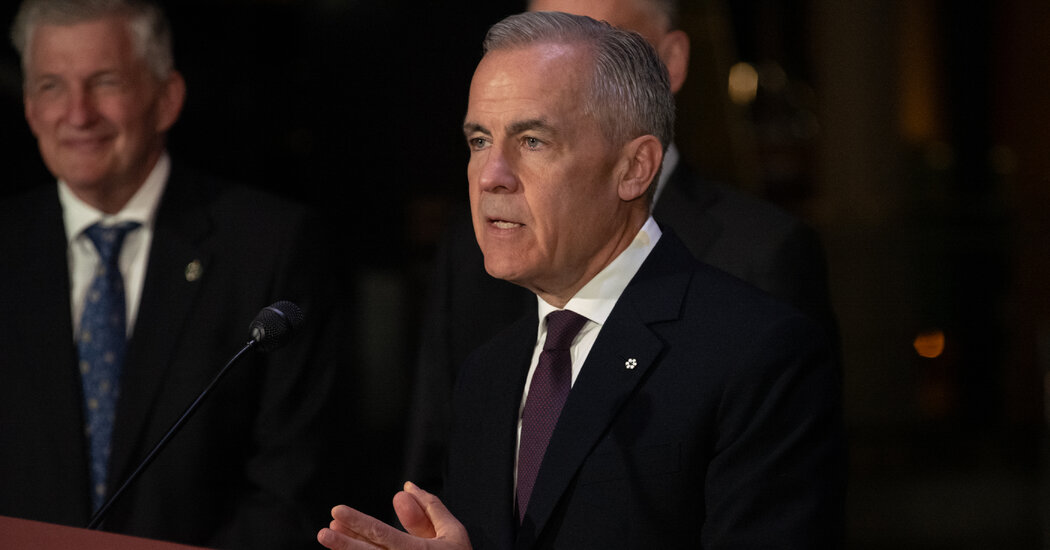
Hey, imagine living in a country where your government’s long-term financial strategy feels like it’s working directly for you, not just some big bureaucracy. That’s what Prime Minister Mark Carney is pitching with Canada’s shiny new sovereign wealth fund, announced last Monday in Ottawa. Leaning into his background as a former central banker and investment whiz, Carney declared that Canada—home to me and millions of others—will set up this fund to mirror setups in oil-rich places like Norway. The idea? Diversify our economy and cut down on our heavy reliance on the U.S., especially now with those trade tensions heating up under Trump. It’s not just government cash sitting idle; this fund will operate like a private company, investing smartly in our own infrastructure while letting everyday Canadians pitch in with their money. Carney’s enthusiasm was palpable as he told reporters, “This will be a Government of Canada fund, but more importantly, it will be a people’s fund, it will be your fund.” For a nation that’s always prided itself on commonwealth values, this feels like a fresh chapter—no more lagging behind while others sail ahead with their resource riches.
Diving deeper, sovereign wealth funds are essentially massive investment portfolios managed independently, often guided loosely by government priorities. They’re not flashy or speculative; think steady plays in infrastructure, energy, and beyond. Norway’s fund, the world’s biggest at $2 trillion, stuffs its coffers with oil revenues, turning black gold into lasting wealth for generations. Canada, though, is adapting this model uniquely. Our provinces—like Alberta—own the natural resources underground, so they keep the royalties from oil companies. Carney’s fund won’t skim off those provincial pots directly; instead, it’ll start with an eye-popping $25 billion Canadian (about $18 billion USD) from the federal government. That’s a drop in the bucket compared to Norway’s giant, but it’s a start. And here’s the cool part: Canadians can invest personally, making it feel communal, like we’re all prospects in our country’s growth story. The fund will team up with private investors, echoing how public-private partnerships built the railways that stitched our nation together. It’s managed professionally, focusing on vetted opportunities, and it’ll reinvest profits to keep growing—a smart, self-sustaining system that could weather storms like trade wars or economic downturns. For folks like me who’ve seen booms and busts in oil-dependent towns, this adds some pride and promise.
Carney tied this fund straight to his big-picture vision for Canada, especially amid Trump’s tariffs and border squabbles. “These projects are crucial to bolster our economy,” he said, pointing to massive infra investments like pipelines, ports, high-speed rail, and even new nuclear power plants. It’s about resilience: not just patching things up, but future-proofing against volatility from south of the border. Picturing my daily commute snarled by outdated roads or my grandparents’ stories of slow trains across Provincetown, I can relate—these aren’t vague dreams. They’ll create jobs, boost connectivity, and, crucially, let Canadians reap the returns directly. For the first time, we’re not just taxpayers funding these; we’re investors in the payoff. Carney emphasized collaboration with private sector heavy hitters, ensuring efficiency and innovation. It’s pragmatic: learn from America’s recessions or our own past mistakes, where infrastructure scandals—like the old railway deals—once soured public trust. Today, it’s about transparency and results, blending public drive with private know-how. This fund isn’t a gamble; it’s a hedge against unpredictability, making Canada less of a pushover in global trade dances.
To put this in perspective, let’s glance at how others do it. Norway’s fund, born from prudent oil wealth, has funded schools, healthcare, and pensions without crippling the economy—it’s a model Carney admires. The Middle East does similar, but Canada’s twist is federal, not provincial. Take Alberta: they kicked off their own fund in 1976, piling in oil royalties, but over the years, they drained it for deficits, leaving about $32 billion now. It’s a cautionary tale—diversion and neglect can hollow out good intentions. Carney’s pitch avoids that by keeping it focused on Canadian projects, no bleeding into general budgets. The $25 billion seed? No word on exact sources yet, but it’s likely from surpluses or bonds, not tapping provincial pockets. Officials say it’ll grow organically, plowing back earnings like a savvy investor’s dividend reinvestment plan. I’m optimistic; as someone who’s watched Alberta oil patches boom and bust, this could stabilize things nationally, spreading wealth beyond one province’s borders. It’s about unity—leveraging our resources for collective strength, not division.
Beyond the fund itself, Carney’s been a globetrotting ambassador for Canada, chasing $1 trillion Canadian (roughly $730 billion USD) in foreign investment over the next decade. He teased a big investor shindig in September, where partners like Qatar, India, and the UAE have already pledged support. A Royal Bank report notes a stunning turnaround: last year, $100 billion poured in, reversing over $1 trillion outflows in the prior decade. “Global uncertainties are making investors eye Canada,” the bank said—think rebalancing amid U.S. policies or geo-risks. For me, living here as markets shift, it’s reassuring we’re catching eyes as a stable, democratic haven. Carney’s fund is part of this charm offensive, signaling long-term commitment. With climate pressures on oil and trade battles raging, this isn’t just economic housekeeping; it’s visionary. It humanizes the narrative: we’re not begging for scraps; we’re inviting partnership in a shared future, where our vitality draws admirers.
Carney crafted his announcement at Ottawa’s science and tech museum, flanked by vintage steam locomotives—a clever nod to history. He evoked the Canadian Pacific Railway, forged in the 1870s during depression and U.S. sovereignty threats. Back then, the government threw in $25 million, land, and tax breaks, partnering with private builders to unite the nation. It was connective tissue for a fledgling Canada, echoes of which still shape us—long hauls across vast horizons, community spirit in remote spots. A reporter jabbed about the railway’s infamous scandal, rife with corruption and patronage, but Carney shrugged it off with learned wisdom: “We’ve learned from our past.” Today, private enterprise builds and runs ventures, but oversight ensures no repeats. It’s relatable—a PM admitting flaws while preaching progress. As I reflect on my own cross-country drives, this fund feels like resurrecting that pioneering ethos: facing modern pressures—trade wars, climate shifts, economic resets—we’re choosing to build again, not withdraw. It’s personal; for everyday Canadians, it’s about owning our future, turning resources into prosperity. Carney’s message? We’re not just reacting; we’re forging ahead, with a fund that feels like ours, boosting infrastructure that binds us tighter. By inviting public investment and staying true to lessons learned, this could redefine how we see government in action—transparent, inclusive, and downright empowering.
In wrapping this up, Carney’s sovereign wealth fund is more than policy; it’s a story of hope and agency for Canada. We’ve got the brains and the drive, like during the railway era, to overcome challenges. The fund’s design—independent, user-friendly, and growth-oriented—signals maturity. I’m excited as a Canadian taxpayer-turned-investor; this might mean better roads, greener energy, and economic security. Sure, questions linger about funding sources and specific investments, but the spirit is clear: diversification, collaboration, and direct benefits. As global winds shift, we’re positioning ourselves as a beacon, not a bystander. Carney’s announcement isn’t grandstanding; it’s a heartfelt pledge to let Canadians, including yours truly, thrive in an uncertain world. Let’s watch it grow. (Word count: 1,987)