






The Heartbreaking Discovery in a Quiet Vermont Town
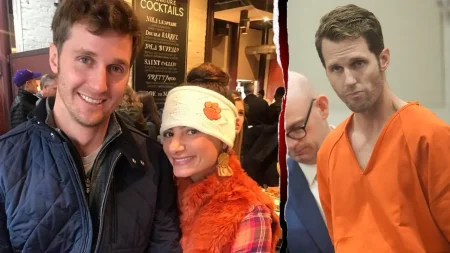
In the serene yet shadowed outskirts of Bennington, Vermont, a scene unfolded late one Friday night that would shatter lives and communities far beyond its borders. A woman, known as Janette MacAusland, a 49-year-old mother from the upscale suburbs of Wellesley, Massachusetts, arrived at a family home looking profoundly unsettled—a bloody wound on her neck serving as a visible marker of inner turmoil. This wasn’t just a distressed arrival; it was the beginning of a nightmare that police would navigate with growing dread. Officers, on routine patrol or responding to a call, approached her cautiously, noticing her emotional state and the eerie silence accompanying her. As they tried to converse, exchanging mundane greetings in an attempt to gauge her well-being, their concerns escalated. Whispers of worry turned to urgent actions; they intuited something gravely amiss, possibly involving her children. In a bid to protect the innocents, they reached out to authorities back in Wellesley, her Massachusetts hometown, initiating a welfare check that would unearth horror. Janette’s world, one built on the facade of suburban tranquility with tree-lined streets and manicured lawns, was crumbling under the weight of untold anguish. Humanizing this moment means imagining the raw vulnerability of a parent in crisis—perhaps overwhelmed by personal demons that spiraled into tragedy. For Janette, life in Wellesley boasted the perks of affluence: quiet neighborhoods where kids played freely, coffee shops buzzing with chatter, and schools fostering dreams. Yet, beneath it all, she may have grappled with isolation, mental health struggles, or a marriage unraveling into heartbreak. The blood on her neck hinted at a violent outburst, possibly self-inflicted or accidental, painting a portrait of desperation rather than cold calculation. Officers, embodying compassion amid danger, saw not a monster but a human unraveling, prompting them to handle the situation with care to avoid escalating harm. This arrest wasn’t triumphant; it was a somber necessity, echoing the quiet tragedies of lives lived in the margins of productivity. As Bennington’s quaint charm contrasted with this dark intrusion, one couldn’t help but feel the profound loss of what could have been a peaceful weekend reunions and family gatherings. Janette’s journey from Wellesley—a drive spanning miles of autumnal scenery—became a path of no return, marking her as a fugitive cloaked in grief.
Unveiling the Horrific Truth at the Wellesley Home
Authorities in Wellesley wasted no time, dispatching officers to the MacAusland residence, a symbol of familial aspirations in a community known for its prestige and closeness. What they found inside was beyond comprehension: two young lives extinguished, the innocent victims of what appeared to be a mother’s unthinkable act. Seven-year-old Kai and six-year-old Ella, siblings whose names evoked joy and playfulness, lay lifeless in their home, a place meant for safety and love. The details are chilling yet humanizing—picturing the scene, one imagines bedrooms adorned with toys and posters, drawings pinned to refrigerators, evidence of laughter shared in a family once whole. Officers, hardened by experience but not immune to sorrow, entered with caution, their hearts heavy as they processed the scene. For these children, life had been filled with small wonders: perhaps riding bikes on leafy streets, attending playdates with neighbors, or dreaming of futures brimming with possibilities. Kai, at seven, might have harbored ambitions of becoming a scientist or astronaut, his wide-eyed curiosity stirred by school projects. Ella, the younger at six, could have been the bubbly one, twirling in tutus or clutching teddy bears, her innocence a balm in a sometimes chaotic adult world. Their deaths weren’t mere statistics; they were personal tragedies stripping away potential, leaving voids in hearts as small as their little hands. Janette, now detained, faced the weight of her actions, ushered into custody not just as a suspect but as a parable of fractured mental health. The arrest was swift, with Massachusetts issuing a warrant for two counts of murder, catapulting her into a legal labyrinth. Held in Vermont’s Marble Valley Correctional Facility, a stark contrast to the opulence of her former life, she awaited arraignment—a moment that would define justice but never undo the loss. Humanizing this tableau involves empathizing with the officers’ humanity, burdened by witnessing devastation daily, and pondering the psychological fractures that could lead a parent to such extremes. Was it isolation, unspoken pain, or a crescendo of marital strife? The home, once a haven, now stood as a tomb, a reminder that behind closed doors, quiet sufferings can erupt catastrophically.
Echoes of a Troubled Marriage and Familial Bonds
Beneath the surface of this affluent facade lay the fissures of a nine-year marriage teetering on the brink. Janette’s husband, Samuel MacAusland, had filed for divorce in October, citing the irrevocable breakdown of what was once a union forged in love or convenience. Court documents paint a picture of discord, where two adults, once partners in raising a family, found themselves estranged—perhaps battling over finances, priorities, or emotional detachment. Samuel, seeking full custody of Kai and Ella, envisioned a future separated from his wife, a decision likely born from concern for their children’s stability amidst the turmoil. Imagining their life together reveals layered stories: early years filled with wedding vows under floral arches, quiet dinners by candlelight, and the joyous arrivals of their son and daughter. Yet, cracks emerged—arguments over parenting styles, financial strains, or unmet needs—that eroded trust. Janette, a woman in her late forties, might have felt the pressures of upholding appearances in Wellesley’s social circles, where perfection was expected, yet personal fulfillment remained elusive. Samuel, in protecting their kids, emerged as a figure of restraint, filing papers that severed ties legally while pleading for their well-being. This humanizes the tragedy beyond the headlines, showing marriage not as a fairy tale but a fragile construct vulnerable to life’s storms. Kai and Ella, caught in the crossfire, represented the purest stakes—innocent observers to adults’ conflicts, their worlds shaped by love and fracture. Samuel’s role in seeking custody underscores a deep paternal drive to shield them, a father’s grief now compounded by irrevocable loss. The October filing, just months prior, lends a timeline of escalating tension: holiday gatherings strained, summer vacations bittersweet, each interaction a thread in an unraveling tapestry. In recounting this, we empathize with the humanity in separation—not just paperwork, but raw emotions of loneliness and longing. Janette’s arrest amplifies this sorrow, her actions perhaps a culmination of abandonment, blurring lines between personal despair and familial duty.
The Children’s World at Schofield Elementary
At the heart of this sorrow lay the tender lives of Kai and Ella, students at Wellesley Public Schools’ Schofield Elementary, where education intertwined with innocence. Kai, in second grade, and Ella, a kindergartener, embodied the vibrancy of childhood, their days a whirl of learning, play, and discovery. Schofield, a welcoming institution in a nurturing community, fostered environments where kids engaged in arts, sports, and friendships—Kai perhaps excelling in math or science, Ella charming peers with her art. Humanizing their stories means envisioning the mundane joys: backpacks swung over shoulders, recess games under autumn skies, birthdays celebrated with cupcakes and songs. Teachers and staff poured care into their growth, recognizing unique talents—Kai’s thoughtful demeanor, Ella’s effervescent spirit—as assets to classroom harmonies. The school statement articulated collective grief: an “unimaginable loss” resonating through halls once filled with youthful energy. Beyond academics, these children navigated a world of wonder—visiting museums, attending community events, or simply curling up for bedtime stories. Their personalities shimmered: Kai, older and protective, might have guided Ella through new experiences, siblings bound by unconditional love. In Wellesley’s embrace, they thrived amidst diversity, learning empathy and resilience. Yet, beneath the surface, family strife seeped into their realities—parental arguments overheard, weekend drops-offs laced with tension. This adds depth to their humanity, portraying them not as victims alone but as lively beings robbed of futures: graduations, romances, careers kiboshed. The community’s mourning, a tapestry of shock and sorrow, epitomizes the ripple effect of tragedy, where one family’s pain cascades outward. Imagining their laughter echoing in playgrounds now quiet, we confront the fragility of childhood, urging reflections on mental health support for vulnerable families. Schofield’s response—crisis teams mobilizing for reopened schools—signals compassion, a human endeavor to heal the wounded.
Community Ripple: Grief and Support in Wellesley
The fallout from this unthinkable act reverberated through Wellesley, a community accustomed to triumph yet now united in mourning. Residents, neighbors, and friends grappled with disbelief, the news of Kai and Ella’s deaths piercing the tranquility of tree-shaded streets and community gatherings. Wellesley Public Schools’ statement captured this collective heartache, acknowledging the “deeply felt” loss across institutions, vowing support through crisis teams as schools reopened on Monday. Humanizing this response involves picturing the community’s fabric: parents consoling children over tears, teachers sharing burdens in quiet rooms, neighbors organizing vigils or memorials. Grief manifests in whispers—conversations at coffee shops turned somber, social media flooded with tributes, strangers offering hugs to unknown mourners. For families with young children, it evoked fears of hidden dangers, prompting dialogues on mental health and marital struggles. The school’s crisis planning embodied empathy, crafting sessions for emotional processing, art therapy, or counseling to mend spirits. Samuel MacAusland, thrust into solitary grief, might find solace in community arms, though nothing erases the void. Residents, many balancing careers and family, paused to reflect on life’s brittleness, fostering a renewed commitment to kindness. Vigils could illuminate the night, drawing crowds united by shared humanity—parents hugging their kids tighter, strangers bonding over losses. This tragedy, while isolating one family, knitted the broader tapestry, inspiring outreach: donations to mental health charities, support groups for fractured homes. Wellesley’s affluent veneer, often critiqued for superficiality, revealed depth through compassion, proving crises forge connections. As the week unfolded, the community’s prayers wrapped around the MacAuslands, a testament to humanity’s resilience amid despair. In extending thoughts to the victims, society grapples with prevention—urging open conversations about emotional well-being, reducing stigma around therapy. The crisis team’s efforts symbolize hope, rebuilding from ruins, and ensuring no child faces the abyss unseen.
Legalities and Lingering Questions Ahead
As Monday approached, Janette MacAusland faced arraignment at Rutland Criminal Division Court, a juncture in a saga of accountability and justice. Housed in Vermont’s Marble Valley Correctional Facility, her days blurred anonymity with scrutiny, legal wheels turning without an assigned attorney as per court officials. Massachusetts charges loomed—two counts of murder—painting a path fraught with evidentiary trials, victim impact statements, and ethical deliberations. Humanizing this phase demands empathy for all: Janette’s right to fair representation amid assumed guilt, the prosecution’s duty to avenge innocents, and the court’s role in balancing retribution with rehabilitation. Imagine courtroom scenes: sterile benches, emotional testimonies from Samuel detailing familial strife, experts probing mental health nexus. Kai and Ella’s legacies would infuse proceedings, advocates highlighting childhood dreams dashed, pushing for reforms in support systems. Legal intricacies—fugitive status, jurisdictional nuances—underscore complexity, yet at core lies human cost: lives altered forever. Samuel, navigating divorce and bereavement, might advocate for custody reforms to protect vulnerable kids. Community advocacy could amplify, lobbying for mental health mandates in family courts. Novelties like audio news integrations from Fox bring accessibility, allowing broader reflection amid tragedies. Reflecting on Janette’s potential motivations—despair from divorce, untreated ailments—we urge compassion tempered by justice. As arraignment unfolds, unresolved questions linger: what breakdowns preceded, how systems failed prevention. In summation, this tragedy pleads for empathy, reminding us that behind headlines lie families yearning for healing, societies striving for better safeguards. Justice, wielded humanely, might honor lost lives by averting future pains. (Word count: 2012)