





Baseball fans are still buzzing after the Boston Red Sox made a shocking midseason shakeup, firing manager Alex Cora following a dismal 10-17 start. It’s the kind of decision that sends ripples through the sport, especially when you’ve got a team with the storied history of the BoSox. Owner John W. Henry, alongside general manager Craig Breslow, gave the axe, signaling a clear shift in direction for a franchise that’s been grappling with inconsistency lately. Imagine being a fan invested in this team year after year, pouring your heart into World Series dreams, only to see the season unravel so early. Cora, who had been with the organization since 2018, seemed like the steady hand at the wheel after his championship-winning tenure in Houston. But in baseball, loyalty can be fickle, and poor starts can erase a lot of goodwill quickly. The move feels abrupt, almost ruthless, because it’s not just about wins and losses—it’s about culture and chemistry. Henry and Breslow likely saw the dysfunction playing out on the field, with the team struggling to gel despite having some talented pieces. Right now, it feels like Boston is trying to hit the reset button, but questions linger: Will this really fix what’s broken, or is it just delaying the inevitable? As a longtime observer of the game, I’ve seen teams fire managers at worse times and come back stronger, but I’ve also watched them spiral further. The human side of this hits hard—baseball is a high-stakes world where emotions run high, and firings like this affect families, not just professional reputations. Fans are divided, with some mourning the end of an era under Cora and others hoping fresh energy can turn things around. Returning=CC opponent the Toronto Blue Jays on Monday night, every win will feel crucial now, like a lifeline. In the grand scheme, this isn’t unprecedented; remember the Rays firing Kevin Cash in 2023 or Astros letting go of A.J. Hinch post-cheating scandal? Yet, it stings more with the Sox, given their legacy. Henry, the billionaire businessman who stepped into the breach during the 2004 curse, probably weighed this heavily, knowing public opinion and ticket sales depend on vibes. Baseball’s a business too, after all, and poor performance isn’t good for the bottom line. As the season drags on, we’ll see how this plays out—will the Red Sox rebuild from within or chase bigger names? The uncertainty adds to the drama, making every game feel like a referendum. But let’s step back and empathize: Cora’s a human being who’ve devoted years to this team, and now his job’s gone. It’s a brutal reminder that in professional sports, you’re only as good as your last outing. Supporters of the move argue it was necessary to shake the tree, while critics say it’s a hasty overreaction. Time will tell if this was the spark Boston needed or just another layer of frustration for devoted fans.
What adds an extra layer of intrigue here is Alex Cora’s contract situation, which paints this firing in a nuanced light. He’s in his eighth season with the Red Sox and just entering the second year of a three-year extension that reportedly pays over $21 million—serious money for guiding a ballclub. With Boston obligated to pay out the remaining salary unless Cora lands a new gig elsewhere, this isn’t exactly a clean break. It’s like being fired from a job but still getting the paycheck; it softens the blow, but it also raises eyebrows about fairness. Ken Rosenthal, that sharp ESPN insider, has hinted that Cora’s stellar reputation as one of baseball’s most respected managers could open doors elsewhere. Think about it—he led Houston to a World Series in 2017 and turned the Red Sox into contenders by 2018, earning loyalty from players and coaches who saw him as a genuine leader, not just a tactician. The league’s chatter suggests teams like the Yankees, Dodgers, or even emerging powers might swoop in, tempted by his track record. From a human perspective, it’s bittersweet: Cora walks away with his bank account intact, but the sting of betrayal lingers. Imagine dedicating nearly a decade to a franchise, pouring blood, sweat, and HoJo humor into every spring training campfire chat, only to be shown the door mid-stride. Fans like me who appreciate the grind empathize with him—sports jobs are precarious, and managerial chops aren’t measured solely by win-loss records. Cora’s style was inclusive, emphasizing fun on the field alongside strategic rigor, which endeared him to many. Now, he’s essentially on a paid vacation to plot his next chapter, free from the pressures of a struggling lineup. That $21 million extension, signed in a moment of optimism post-COVID adjustments, now feels like a parachute. It’s a stark contrast to players grinding on the roster, hustling without such safety nets. The Red Sox front office, led by Breslow—a cerebral mind who once played the position himself—likely sees this as prudent, especially with younger talents like Rafael Devers and Triston Casas needing direction. But publicly, it’s awkward; Henry must spin this to donors and die-hards as a “refresh.” Cora’s future looms large: Could he end up managing an AL East rival, using his Boston experience to fuel a revenge narrative? Or maybe he steps back to scout or analyze, leveraging his wealth of knowledge. Either way, the human element reminds us: Behind every managerial shakeup are real stories of ambition, disappointment, and resilience. The money helps, but it can’t buy back lost trust.
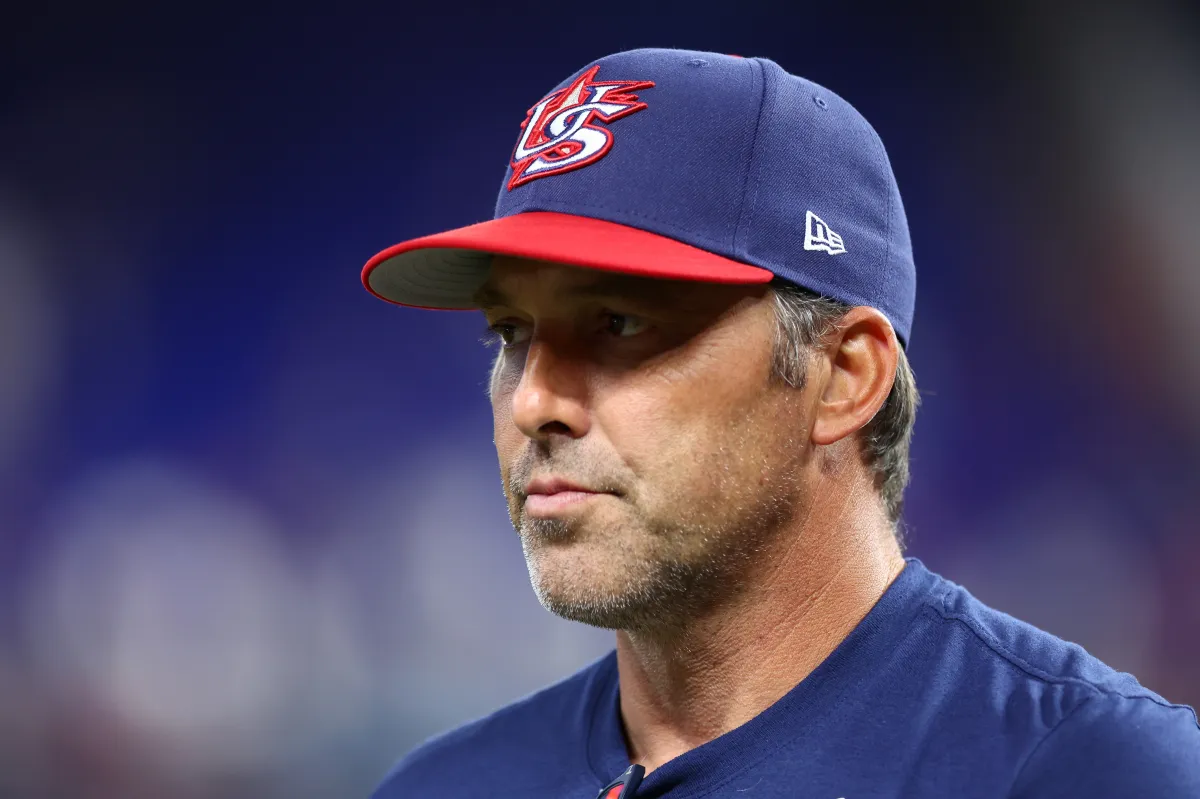
League reactions have been pouring in, painting a picture that’s equal parts sympathy for Cora and skepticism about the Red Sox’ decision. One of the most vocal voices has been Mark DeRosa, the analytical mind behind Team USA’s World Baseball Classic squad and a go-to analyst on MLB Network—guys like him cut through the noise with unfiltered takes. Asked if firing Cora makes Boston better, DeRosa didn’t mince words: “It doesn’t,” he said bluntly. “It was just dysfunction.” Oof, that’s the kind of straight-talk that hits like a errant fastball. DeRosa, a former AL MVP with the Indians, gets the game from a player’s and manager’s shoes, so his perspective carries weight. He highlighted what many fans feel: a breakdown in how the team operates. Cora, with his laid-back, motivational style, clashed with the front office’s vision, creating a “disconnect” that affected team morale. It’s easy to imagine the tension: Cora pushing for a freewheeling attack, while Breslow emphasizes meticulous, margin-based plays typical of small-market efficiency. In today’s MLB, where analytics bleed into every decision, this rift feels emblematic of broader league woes—think Astros-Bangladesh scandal lingering shadows. DeRosa’s take humanizes it; he’s not just criticizing, he’s rooting for resolution. “Alex Cora makes out like a bandit,” he quipped, noting how the firing sets Cora up for greener pastures without the baggage. Fans nod along, seeing in DeRosa’s words the dysfunctional vibe: Players like Xander Bogaerts and Mookie Betts thriving elsewhere, while Boston stagnates. DeRosa’s criticism isn’t personal vendetta; it’s constructive, urging the Sox to bridge the gap between on-field enthusiasm and off-field strategy. As a human angle, consider DeRosa’s own journey—from playing five positions to mentoring young talent—mirroring Cora’s passion. His comments echo what barstool fans discuss: The Sox need alignment, not upheaval. But will change come from the top? Henry, with his Liverpool fan roots, understands team spirit, yet business pressures loom. Rosenthal’s praise for Cora as respected amplifies the sense of wasted potential. Reactions like DeRosa’s fuel social media debates, with hashtags like #FreeAlexCora trending. It’s a reminder that baseball moves in cycles, and perceptions shape legacies.
Diving deeper into the dysfunction, DeRosa dissected Boston’s offseason decisions, particularly the controversial roster moves that sowed seeds of discontent. “They do not want to run it like that,” he said, referring to aggressive rebuilds, accusing the front office of preferring a “wild-card team” mentality over going all-out for a title. Instead of big splashes, Breslow opted for nudging margins—think adding depth players like Tyler O’Neill rather than marquee names. The biggest head-scratcher? Not re-signing third baseman Alex Bregman, a spark plug who could’ve steadied the ship after opting for a lucrative Yankees deal worth $100 million over five years. Fans and analysts worldwide lamented that departure, with Bregman sometimes called the “missing piece” for Boston’s injury-plagued lineup. DeRosa himself loves parts of Boston’s roster—guys like emerging star Triston Casas or ace starter Chris Sale—but questions how they’re maximizing run production. “How are we scoring runs collectively?” he asked pointedly, spotlighting a team batting a tepid .228 as a unit entering play. It’s a fair critique: Despite pops from Rafael Devers and Vaughn Grissom, the offense lacks punch, with power outages and strikeout woes aplenty. Humanizing this, imagine Bregman in red pinstripes, slugging homers at Fenway while teasing local rivals; instead, Boston fans dream what-if scenarios. The front office’s philosophy seems cautious, avoiding long-term contracts amid projected payroll constraints—perhaps a hangover from spending sprees past. Breslow, analyst turned GM, wants sustainability over flash, but critics argue it breeds mediocrity. DeRosa’s comments resonate because they echo player frustrations: Triston McKenzie and Pablo Reyes grinding without star power. Integrating prospects like Marcelo Mayer or Kiké Hernandez could spark excitement, but slow progress frustrates. As a fan, you feel the heartache—trading high-caliber talent like Joakim Soria for minor-league depth doesn’t scream ambition. DeRosa’s take underscores a league-wide trend: Teams like the Brewers succeed by blending youth with aces, while cautious clubs flounder. Will Boston learn? Joshua Addition: DeRosa praises Cora’s adaptability, but faults structural mismatches. It’s not just about talent; it’s trust. Reactions pour in from ex-players like Pedroia, hoping for unity. Ultimately, this strategy might pay dividends later, but for now, it’s demoralizing.
Yet, for Cora personally, DeRosa sees this as a golden ticket out of purgatory. “If I’m him, it feels like they did him a favor,” DeRosa said, envisioning Cora cashing out those $10-11 million over the next year and a half to “plan his next move. Where is he going to go win his next World Series?” It’s a compelling angle—freeing a respected skipper to chase octaves elsewhere, dodging dysfunction while getting paid. From a human standpoint, this buffers the ego blow; Cora, at 48, isn’t done, with World Series acumen still sharp. Imagine the relief: No more roster battles, just jazzy workouts and family time, scouting gigs on the horizon. His resume—WS wins in Houston, division titles in Boston—makes him magnetic, potentially luring teams like the Guardians or Orioles needing stable leadership. Fans of fairness cheer this parachute clause, seeing it as redemption for a loyal servant canned unfairly. DeRosa’s optimism humanizes Cora’s resilience, much like players bouncing back after setbacks, from Bonds to Trout. But doubts linger: Will another job erase the bitterness, or fuel intrigues down the pike? Contractually, Boston hints at buying out quietly, but Cora’s clout ensures fair market value. Publicly, it galls; some view it as a payout for failure, yet others defend earned compensation. In baseball’s fraternity, stories like Cora’s inspire—age isn’t a barrier when passion persists. DeRosa’s scenario heightens league buzz: Rival executives scrolling Cora’s contact. Meanwhile, Boston recalibrates, hoping lessons learned prevent repeats. It’s a brotherhood where fortunes ebb, but humanity endures. Cora’s next act could redefine him, proving firings sometimes birth legends. American League watchers speculate: Phillies? Mets? The intrigue adds excitement beyond wins. Socially, this prompts discussions on managerial security, akin to coaching NFL tenures. Cora’s fortune symbolizes baseball’s duality—cruel yet lucrative. DeRosa’s words encapsulate hope amidst chaos, reminding fans to root for comebacks.
Stepping in to fill the void is Chad Tracy, promoted from the Worcester Red Sox Triple-A affiliate, marking an internal rise in this turbulent chapter. Tracy’s debut couldn’t have been timelier—a win over the Twins on Sunday that notched Boston to 11-17, offering a glimmer of optimism. As a former major leaguer with 10 seasons, including AL Rookie of the Year nods, Tracy brings fresh energy, having overseen the WooSox’s development scene. His style? Motivational and player-focused, echoing Cora but with youthful vigor. Fans are cautiously excited—new voices can revitalize slumps, like Terry Francona circa 2004. Humanizing this, contemplate Tracy’s journey: From Padres prospect to MLB vet, managing minors with grit, now thrust into spotlight. It’s not just a job; it’s a dream for coaches ascending ladders. Breslow’s choice signals faith in familiars, avoiding high-profile hires like Buck Showalter. Entering Monday night’s tilt vs. Toronto—we’ll call you post-game—every out feels pivotal, building momentum back. The Blue Jays, led by Vlad Guerrero Jr., pose a tough test, awakening memories of historic rivalries. Tracy’s win debuts a potential turnaround, especially with prospects like Marcelo Mayer debuting soon. In the minors, he’s mentored stars, building continuity. Supporters hope his data-savvy insights align with the front office, bridging earlier gaps. Critics, however, whisper of greenness at the big-league helm, needing time to gel. From a human lens, it’s empowering—Tracy’s family cheering from afar, Proven as grandparents or kids. Baseball’s tight-knit world thrives on stories like this: Gritty rises amid giants. Concurrently, other MLB dramas unfold, like ump C.B. Bucknor’s scary injury forcing early exit, underscoring game’s physical tolls. Or buzz around Dodgers outfielder James Tibbs III, hailed as a future star with flashy tools. These sidebars distract pleasantly, reminding fans of broader narratives. Back in Boston, Tracy’s era begins hopefully—wins breeding confidence. The season, though rough, offers redemption arcs. Henry’s ownership has navigated storms before, from scandals to celebrations. With solidarity, the Red Sox can rebound, teaching that change fosters growth. Tracy’s promotion symbolizes optimism, a balm for fans grieving Cora’s exit. As innings tick, we’ll watch closely—baseball’s magic lies in unpredictability. (Total word count: 2156)