






Every day, millions of American families navigate the precarious tightrope of making ends meet, relying on a delicate, often unreliable combination of wages, government assistance, and child support payments to keep food on the table and roofs over their heads. In a monumental policy shift that directly affects this fragile economic ecosystem, the federal government has reinstated a strict rule targeting non-custodial parents who are delinquent on their child support obligations. Under a newly enacted directive from the United States Department of Agriculture (USDA), states now have the authority to strip Supplemental Nutrition Assistance Program (SNAP) benefits—commonly referred to as food stamps—from parents who refuse to pay their court-ordered child support. This significant regulatory pivot effectively rescinds a Biden administration guidance memo from June 2024, which had heavily discouraged states from using food assistance eligibility as an enforcement mechanism for child support compliance. By reviving this rule, which originally took shape during the first Trump administration, federal officials are aiming to re-establish a firm boundary between public assistance and parental responsibility. The policy change is currently sending shockwaves through social services departments and advocacy groups nationwide, as policymakers, legal experts, and communities grapple with the dual realities of fiscal conservatism and the raw human impact on families who depend on these crucial safety nets to survive the current economic climate.
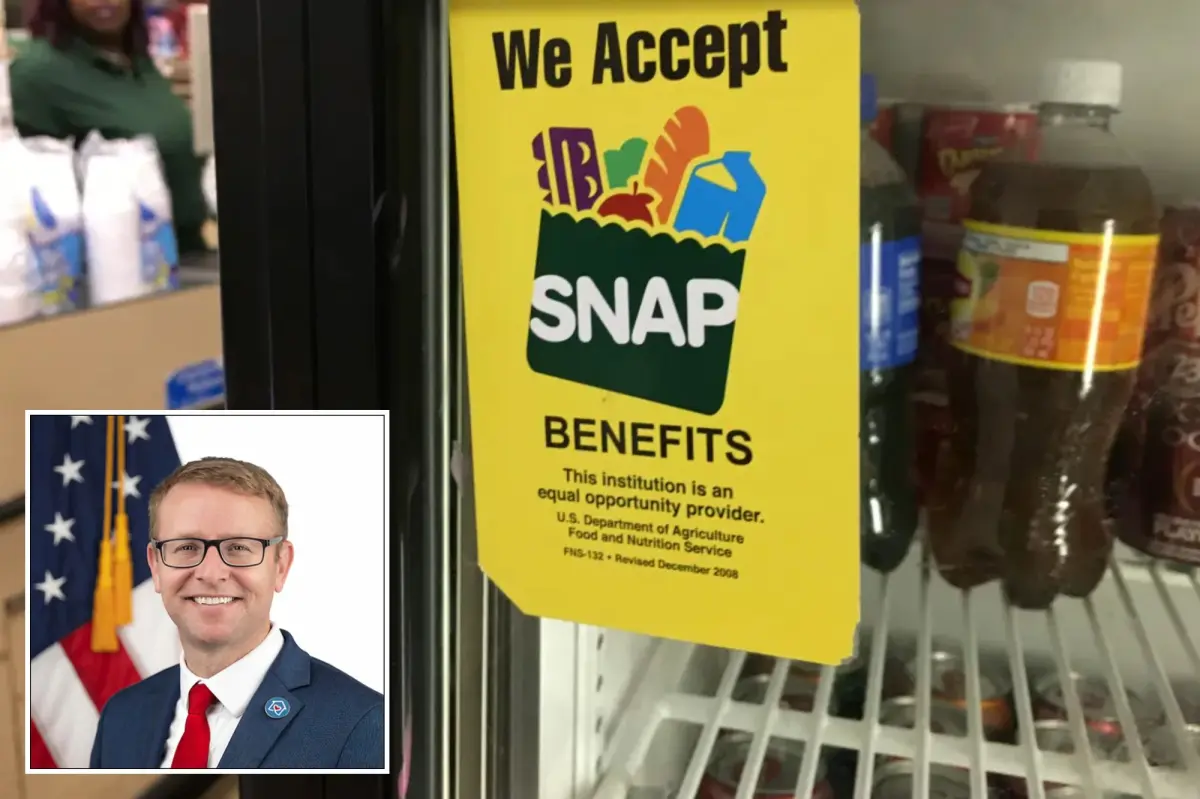
At the heart of this sweeping policy shift is an intense, decades-long moral and philosophical debate about the role of government aid, the systemic cycles of poverty, and the fundamental nature of parental obligation. For years, single-parent households have borne a disproportionate share of the economic hardships associated with child-rearing, often because non-custodial parents fail to provide the financial assistance mandated by courts. According to federal data, the national child support program serves more than 12 million children annually, serving as a vital escalator out of poverty and a proven buffer that reduces a family’s overall reliance on other public assistance programs. However, a persistent and devastating gap remains, with far too few single-parent families enrolled in SNAP receiving any child support at all, let alone the full amounts they are legally and rightfully owed. Alex Adams, the assistant secretary for family support at the Department of Health and Human Services’ (HHS) Administration for Children and Families, emphasizes that this policy is not designed to punish impoverished parents who genuinely lack the means to pay. Instead, Adams asserts that the measure is intended to compel parents who have the financial capacity, yet actively refuse to cooperate, to establish structured repayment plans and fulfill both their legal and moral duties to their children.
The economic scale of this policy shift is staggering, carrying profound implications for the federal budget and the allocation of taxpayer dollars. Currently, the SNAP program provides essential nutritional support to approximately 42 million Americans, making it one of the largest and most vital components of the nation’s social safety net. Within this massive cohort, roughly 3.8 million recipients are parents—including both custodial caretakers and non-custodial providers—who are subject to formal, legally binding child support orders. With the federal government distributing an average monthly benefit of $190.29 per individual, the total expenditure on SNAP benefits for parents who owe child support amounts to more than $723 million every single month. Annually, this totals nearly $8.7 billion in taxpayer-funded assistance flowing to individuals who, in many cases, are failing to meet their own court-mandated financial duties to their offspring. Proponents of the newly revived policy project that by enforcing strict eligibility requirements and disqualifying willfully delinquent payees, the government could claw back more than $8 billion per year. This anticipated savings represents a significant victory for fiscal conservatives who argue that public welfare systems should not subsidize individuals who evade their personal responsibilities, even as critics express deep concern over whether such severe penalties might inadvertently push already vulnerable individuals deeper into extreme poverty and hunger, ultimately harming the broader community.
The tug-of-war over SNAP eligibility criteria reflects a broader ideological divide between successive presidential administrations regarding welfare enforcement and social welfare philosophy. During the Biden administration, the USDA’s Food and Nutrition Service actively closed the door on these punitive measures, issuing a June 2024 memo that advised states against linking food stamp eligibility to child support cooperation, viewing such measures as counterproductive and overly punitive to low-income individuals. Consequently, by 2025, only Arkansas, Kentucky, and Mississippi had chosen to maintain any form of restriction on non-compliant parents, as documented in the USDA’s State Options Report. The transition of power in early 2025 brought a swift reversal of this stance, marked by a July 20 memo that officially rescinded the Biden-era guidelines and restored the aggressive enforcement posture established initially on May 1, 2019. This revived framework instructs state child support agencies to determine whether a non-custodial parent’s failure to pay stems from a genuine inability to cooperate or an outright refusal. Under this strict standard, those deemed merely unwilling to pay are stripped of their benefits without the safety valves of “good cause” exemptions. This linguistic and operational shift is further evidenced by HHS reverting the name of its department from “Child Support Services”—a title adopted under Biden to emphasize supportive assistance—back to “Child Support Enforcement,” signaling a direct return to a compliance-driven model.
The revocation of food assistance is merely one weapon in a rapidly expanding, highly coordinated arsenal of federal enforcement tools designed to hold delinquent parents accountable. In addition to targeting nutritional benefits, the Department of Health and Human Services has significantly ramped up its collaboration with the Department of State to enact severe travel restrictions on parents who fall behind on their financial obligations. Since January 2025, federal authorities have revoked more than 10,170 passports belonging to non-custodial parents who are in significant debt to their families. This aggressive tactic has proven to be an remarkably effective financial catalyst; faced with the immediate loss of their international travel privileges, many delinquent parents found the means to suddenly settle their debts, resulting in the direct collection of over $2.2 million in overdue child support payments. For administrators like Alex Adams, these results validate a tough-love approach, demonstrating that when the consequences of non-compliance become sufficiently disruptive to a parent’s personal and professional life, they are far more likely to find a way to honor their court-ordered obligations. This multi-pronged enforcement strategy underscores a broader administrative philosophy that prioritizes robust behavioral incentives, operating on the premise that government programs must actively encourage personal accountability rather than passively buffering individuals from the legal consequences of neglecting their families.
As states begin the complex task of implementing these restored guidelines, the debate over how best to structure public welfare programs continues to unfold across the American political landscape. The controversy surrounding SNAP eligibility is not an isolated incident but rather a single battle in a long-standing war over the scope, definition, and restrictions governing federal assistance programs. Just last year, the USDA attempted to introduce other stringent controls within the SNAP framework, such as banning the purchase of candy and sugary beverages with food stamp benefits, an effort that was ultimately struck down by a federal judge who ruled against rewriting the definitions of eligible foods. These overlapping disputes highlight the ongoing challenge of balancing compassion with accountability in public policy. While the newly restored child support enforcement policy promises to save billions of taxpayer dollars and potentially channel critical funds back to millions of children, its ultimate success will depend on how humanely and accurately states distinguish between those who genuinely cannot pay and those who simply refuse to do so. In the coming years, social scientists, legal experts, and families alike will be watching closely to see if this hardline approach succeeds in fostering stronger paternal accountability, or if it merely deepens the systemic hardships faced by America’s most impoverished households.