





The Unforgiving Streets: New York’s Controversial Parking Decision on 9/11’s 25th Anniversary
The morning of September 11th, 2025, dawned with the somber weight that has become inseparable from this date in New York City’s collective consciousness. Twenty-five years had passed since the towers fell, since nearly three thousand souls were lost, since the skyline was forever altered. Families of victims gathered at the memorial pools, first responders in their dress uniforms stood at attention, and the city prepared to honor the fallen with the solemn dignity such an anniversary demands. Yet as the city paused to remember, something decidedly unceremonious was happening on its streets. In neighborhoods across all five boroughs, New Yorkers were engaged in their weekly ritual of moving their cars from one side of the street to the other, checking their watches, and praying that they made it to their vehicles before the dreaded alternate-side parking enforcement officers began their rounds. The parking regulations, which had been suspended for Labor Day just days before and would be lifted for Yom Kippur later that month, remained firmly in place on the quarter-century mark of the deadliest day in American history.
The outrage was immediate and visceral, spreading across social media platforms as New Yorkers woke up to the realization that their commemoration of this sacred day would include the mundane chore of jockeying for parking spaces. “How insane and disrespectful on the 25th anniversary of 9/11,” one furious X user posted, capturing the sentiment of thousands. “Some retired first responders are crying their eyes out and have to move a car.” The anger was not limited to those personally connected to the tragedy, as another person wrote, “Couldn’t even have the decency to suspend alternate-side and meter parking for 9/11.” The frustration was compounded by the fact that this was not just any anniversary, but a milestone one, a moment when the city was supposed to reflect on a quarter century of resilience and remembrance. Instead, retirees in their bathrobes were shuffling out to their parked sedans at 8:15 in the morning, sipping coffee and grumbling about the lack of compassion from city hall. The juxtaposition was jarring, to say the least, and it raised uncomfortable questions about how the city prioritizes its values when convenience collides with reverence.
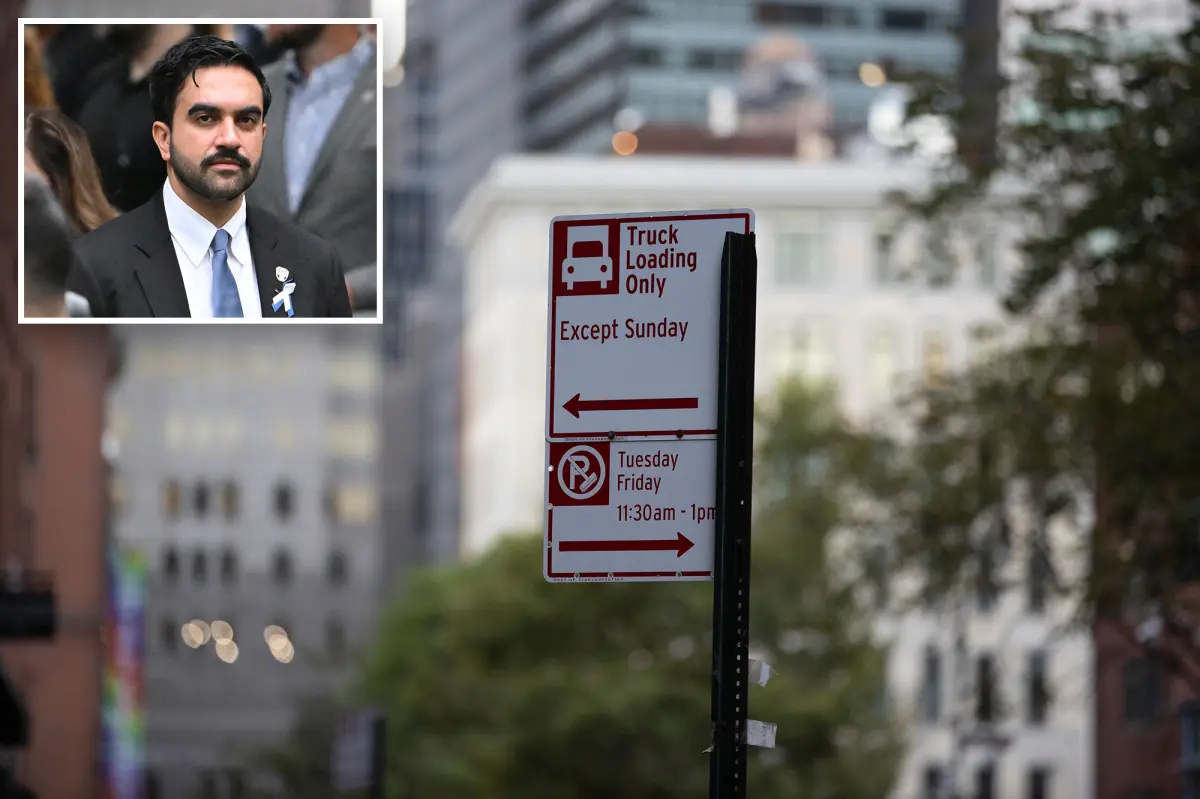
The mechanics of this controversy are rooted in the daily operations of America’s largest metropolis. Alternate-side parking rules exist for a simple purpose: to allow street sweeping crews to clean the curbs and keep the city’s gutters free of debris. When cars remain parked on both sides of a street, the mechanical brooms cannot reach the edges where garbage and leaves accumulate. The system requires drivers to move their vehicles from one side of the street to the other during designated two-hour windows, depending on the day of the week and the specific block’s regulations. For those who fail to comply, the consequences are immediate and financial, with tickets that can range from sixty-five to one hundred dollars depending on the violation. The system creates a constant state of tension for car owners, who must plan their mornings around these windows or risk finding a bright orange envelope tucked under their windshield wiper. This dance has become so ingrained in New York life that many residents have internalized their block’s specific schedule, setting alarms and building their daily routines around these parking migrations. Yet on this anniversary, the routine felt particularly galling, a stark reminder that the machinery of city living continues to grind forward regardless of the emotional weight of the day.
City officials, however, saw the situation differently. Mayor Zohran Mamdani, who had signed an executive order ahead of the anniversary establishing an annual citywide Day of Remembrance and Service on 9/11, notably stopped short of extending that recognition to parking enforcement. The distinction was not accidental, as a representative from the Department of Sanitation explained to reporters. “We recommend temporary suspensions of alternate-side parking if there is a reason we cannot or should not clean — for example, snow and ice,” the official stated, emphasizing that the department’s primary mission of maintaining clean streets remains paramount. The reasoning was practical, even if it seemed tone-deaf to those mourning the fallen. Mamdani, it turns out, is not the first mayor to leave the rule in place on September 11th. According to the Department of Sanitation, no mayor in the twenty-five years since the attacks has ever suspended alternate-side parking for the anniversary. This history suggests that the decision is not a reflection of this particular administration’s priorities but rather an entrenched bureaucratic stance that has survived multiple mayoral transitions. The city’s Department of Transportation further clarified that suspension dates are determined by legislation, meaning that any change would require action from the city council rather than executive discretion.
The legislative route has been attempted, though it has faced significant obstacles. Councilwoman Amanda Farías of the Bronx introduced a bill in January that would permanently suspend alternate-side parking every September 11th, a measure that seems straightforward and sensible to many observers. The bill, however, has languished without receiving a hearing before the Transportation and Infrastructure Committee throughout the year. Farías has been vocal about her frustration with this inaction, stating, “My office requested that it be heard in advance of the March, April and June Transportation Committee hearings. In each instance, the legislation was not placed on the hearing agenda.” A representative for the council speaker’s office offered a defense of the stonewalling, pointing to a 2024 hearing on a similar bill where the then-Adams administration argued that the city already had too many suspension days. The implication was that adding another day to the calendar would somehow diminish the city’s ability to keep streets clean, a claim that critics found dubious given that September 11th represents just one day out of 365. The next hearing for the committee is scheduled for September 30th, though the bill was notably absent from the Friday agenda as well, suggesting that the legislative calendar remains crowded with other priorities.
Behind the bureaucratic language and political maneuvering lies a deeper human story about what it means to live with trauma. For those who lost loved ones on that terrible morning, the twenty-fifth anniversary was a day of profound grief, a moment to return to the site of their deepest wounds and confront the enormity of their loss once again. These are the individuals who rise before dawn on September 11th, who wear the photographs of their departed loved ones around their necks, who stand at the memorial with tears streaming down their faces. For these New Yorkers, the parking ticket waiting on their windshield would represent more than a financial penalty; it would feel like an insult, a sign that the city has moved on while they remain frozen in a moment of catastrophic loss. The emotional labor of remembering should not be compounded by the mundane burdens of urban existence. And yet, for the retired firefighter who lost his entire company, the widow who remembers the last phone call, the sibling who never got to say goodbye, the car still had to be moved. Sometimes the city’s indifference to individual suffering is the most painful reminder of all that life continues, that the world moves forward even when you cannot.
What this controversy ultimately reveals is a fundamental tension in how New York City navigates its dual identities as both a living, breathing metropolis and a memorial to tragedy. On one hand, the city must function, must have its streets cleaned, must process its regulations and enforce its laws. The Department of Sanitation’s representative summed up this perspective succinctly: “No one wants their street to be dirty. Every New Yorker wants and expects a clean street, and the mechanical broom is the best tool for that outcome.” The logic is sound, the reasoning practical. Yet on the other hand, there are days when the city’s obligation to honor its history should outweigh its operational needs. As the twenty-fifth anniversary has come and gone, the question remains whether the next quarter century will see a change in this policy. The families of victims, the survivors, the first responders, and their allies will continue to push for this symbolic yet meaningful acknowledgment. For many, the fight is not really about parking at all, but about respect, about showing that the city understands what this day means, about ensuring that future generations will never have to choose between honoring the dead and avoiding a parking ticket. The controversy may fade with the autumn leaves, but the wounds of September 11th will never fully heal, and New Yorkers will continue to ask whether their city is doing enough to honor the sacrifice and memory of those who were lost on that bright, terrible morning twenty-five years ago.