





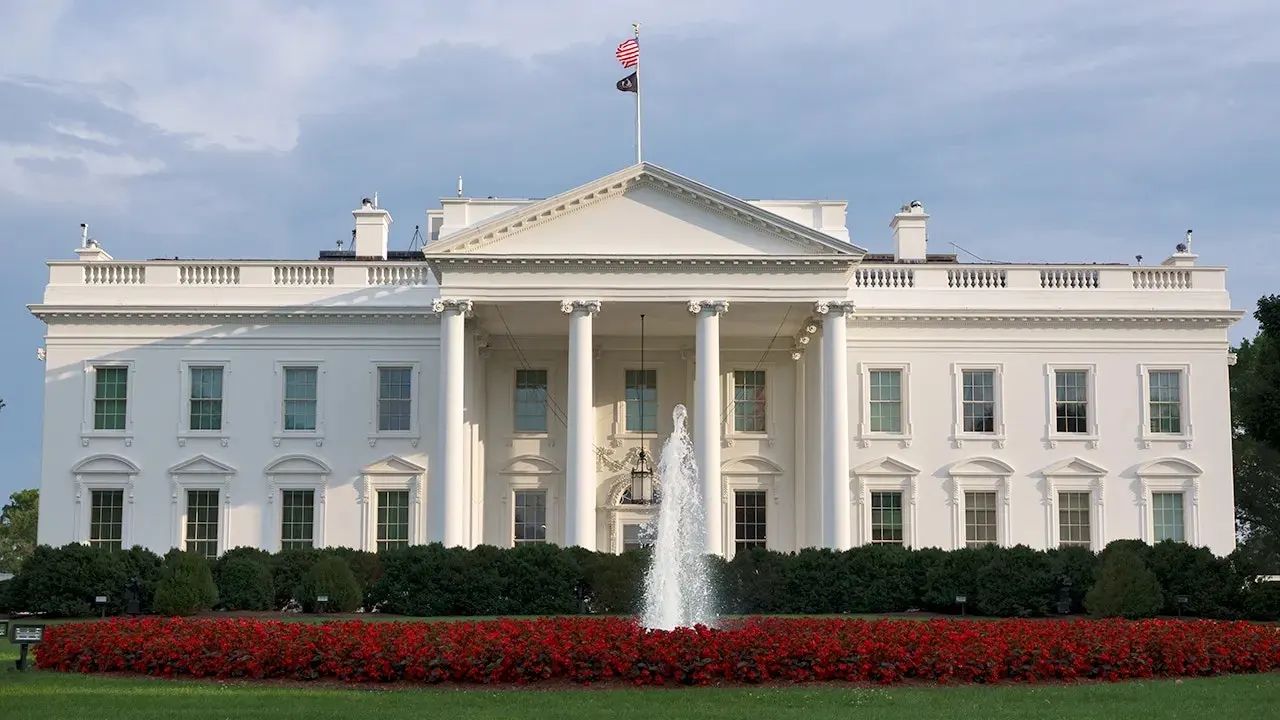
On a seemingly ordinary Wednesday in Tucson, Arizona, the quiet rhythm of daily life was interrupted by a digital message that would set off a chain reaction of alarm, investigation, and arrest. Jacob Aaron Hicks, a 46-year-old man from the city, was taken into custody after federal officials say he sent an email threatening bombings at the White House and other locations in Washington, D.C. The charge against him, making an interstate threat to injure, carries serious weight in a country where threats against public officials and national landmarks are treated with the utmost gravity. The U.S. Attorney’s Office for the District of Arizona announced the arrest, and the details of the criminal complaint paint a picture of a threat that was both specific and alarming. But behind the legal language and official statements lies a more human story—one about the fear that such threats instill, the vigilance of ordinary people who notice something wrong, and the dedicated professionals who race to ensure that words do not become violence. It is a story about how a single email can ripple outward, touching newsrooms, law enforcement agencies, and the highest levels of government, all within a matter of hours.
According to the criminal complaint, Hicks allegedly sent an email to a local Tucson television station on September 23, claiming that an “imminent bomb strike” was planned against the White House and other locations in Washington, D.C. The message was not vague or ambiguous; it was direct and menacing, suggesting that violence was not just possible but about to happen. The television station, upon receiving the email, did not dismiss it as a prank or a moment of online bravado. Instead, they immediately alerted law enforcement, setting off an urgent investigation. This decision to report the threat rather than ignore it is a powerful reminder of the role that everyday community members play in keeping the country safe. In an age where hoaxes and false alarms are common, it can be tempting to shrug off such messages. But the people at that station understood that the cost of being wrong about a threat is far lower than the cost of ignoring a real one. Their quick action gave investigators a crucial head start, allowing them to trace the email and identify Hicks as the alleged sender before the threat could become anything more than words.
The investigation that followed was a coordinated effort involving multiple agencies, each bringing its own expertise to the table. The FBI took the lead, working alongside the U.S. Secret Service, the agency responsible for protecting the White House and its occupants. As investigators dug deeper, they uncovered more than just the original email. In the account linked to Hicks, they found additional email drafts, also dated September 23, addressed to other news organizations. These drafts contained similar threats involving the White House and other locations in Washington, D.C. The discovery suggested that this was not a single impulsive message, but a broader pattern of communication aimed at spreading fear through multiple channels. For the investigators, this was a clear signal that the threat needed to be taken seriously, not just as a one-off incident but as a potential plan. The meticulous work of tracing digital footprints, analyzing metadata, and connecting the dots between different messages is often invisible to the public, but it is exactly this kind of patient, detail-oriented work that prevents tragedies. It is also a reminder that in the digital age, our online actions leave traces, and those traces can be followed.
The official response to the arrest was measured but firm, reflecting the seriousness with which federal authorities view threats of violence. U.S. Attorney Timothy Courchaine emphasized that such threats must be taken seriously, and he expressed gratitude to the local news station for referring the threat to law enforcement. His words highlighted a crucial truth: public safety is not solely the responsibility of police and federal agents. It is a shared duty, one that requires citizens to speak up when they see or hear something dangerous. FBI Phoenix Special Agent in Charge Rebecca Day echoed this sentiment, thanking the community partner who reported the threat and underscoring the importance of cooperation and partnership in protecting the American people. These statements are more than just formalities; they are an acknowledgment that the system works best when everyone plays a part. The news station could have easily deleted the email and moved on, but instead they chose to act. That choice may have made all the difference, turning a potential crisis into a controlled investigation and an arrest.
Now, Hicks faces the legal consequences of his alleged actions. He made his initial appearance in federal court on Thursday, where the charges against him were formally presented. While the legal process will unfold in the coming weeks and months, it is important to remember that Hicks is presumed innocent until proven guilty. The charge of making an interstate threat to injure is a federal crime that can carry significant penalties, including prison time, but the courts will weigh the evidence and determine the truth. For Hicks, this moment represents a dramatic turning point in his life. Whatever led him to send those emails—whether anger, mental distress, or something else entirely—the consequences are now real and unavoidable. It is a sobering reminder that words have power, and that threatening violence against national institutions is not a victimless act. It consumes resources, creates fear, and disrupts the sense of safety that people rely on. Even if the threat was never carried out, the harm was already done, and the justice system must now respond.
In the end, this case is about more than one man and one email. It is about the fragile balance between freedom and security, and the constant vigilance required to maintain it. Threats against the White House and other landmarks are not just attacks on buildings; they are attacks on the idea of the nation itself, on the institutions that represent it, and on the people who work within them. The swift response to this threat demonstrates that law enforcement agencies are prepared to act, but it also highlights the importance of the public’s role in that effort. The Tucson television station’s decision to report the email was an act of civic responsibility that deserves recognition. At the same time, the case invites us to reflect on the broader issue of why people make such threats in the first place. Are they cries for help? Expressions of political rage? Or simply reckless attempts to get attention? The answers are not always clear, but the legal system must treat every threat seriously, while also recognizing the human complexities behind them. As the story continues to develop, one thing remains certain: in a world where a single message can travel across the country in an instant, the choice to speak up or stay silent can have profound consequences. And for now, the people of Tucson, Washington, and the nation can breathe a little easier, knowing that this particular threat was met with the seriousness it deserved.