







The Next Pandemic’s Silent Architects: How Our Changing Planet Is Accelerating the Spread of Animal-Borne Diseases
In the complex, invisible web that connects human health to the natural world, a troubling pattern is emerging. As cities expand, forests fall, and the planet warms, scientists are observing a dramatic acceleration in the transmission of pathogens from wildlife to humans. This phenomenon, known as zoonotic spillover, is not merely a biological curiosity—it is a public health crisis in the making. The scientific community is increasingly convinced that the “spillover” of diseases from animals and insects into human populations is being exacerbated by a trifecta of environmental stressors: rampant deforestation, unplanned urbanization, and the relentless progression of global warming. The result is a world where the next major epidemic could be born not in a laboratory, but at the chaotic intersection of human development and wild habitat.
To grasp the scale of this threat, one must look at the statistics that define our modern epidemiological landscape. According to the U.S. Centers for Disease Control and Prevention (CDC), a staggering three-quarters of all emerging infectious diseases in humans are zoonotic, meaning they originate in animals. These are not just obscure viruses confined to remote jungles; they are the pathogens that have shaped recent history, from Ebola and HIV to the coronavirus that causes COVID-19. However, the relationship between human encroachment and disease emergence is not a random event. It is a predictable consequence of ecological disruption. When we fragment a forest for a palm oil plantation or a new highway, we create a high-traffic environment where bats, rodents, and primates—and their pathogens—come into closer contact with human settlements than ever before, setting the stage for a biological domino effect that can topple global health systems.
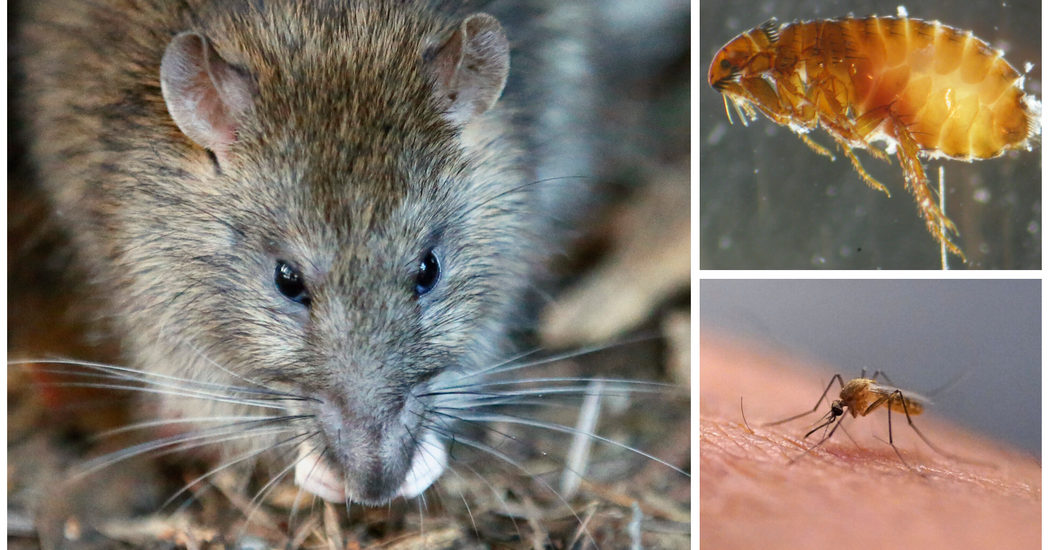
The mechanics of zoonotic transmission are as fascinating as they are terrifying, involving a complex cast of characters that often goes unnoticed. It’s not just the iconic bats or primates that pose a risk; it is the humble mosquito, the tick, and the rodent that serve as primary vectors. Deforestation, for instance, often leaves behind standing water in tire tracks and cut tree stumps, creating ideal breeding grounds for mosquitoes. This has led to a surge in vector-borne diseases like malaria and dengue fever, which are now appearing at higher altitudes and latitudes than ever before. Similarly, the fragmentation of forests impacts the predator-prey balance; when natural predators disappear, rodent populations explode, increasing the risk of hantavirus and Lyme disease. The question is not just which creatures pass along these pathogens, but why they are finding it so easy to do so now. The answer lies in the fact that we are increasingly invading their territory, rather than the other way around.
Beyond specific animal carriers, the broader loss of biodiversity is proving to be a critical driver of disease prevalence. Ecologists refer to the “dilution effect,” a phenomenon where high biodiversity actually acts as a buffer against disease. In a diverse ecosystem, pathogens often hit a “dead-end” host that is not ideal for amplification. However, when we simplify these ecosystems—removing top predators and generalist species to make way for agriculture—we inadvertently select for “super spreader” species. White-footed mice, for example, are highly competent hosts for the bacteria that cause Lyme disease, and they thrive in fragmented, species-poor habitats. By reducing biodiversity, we are effectively emptying the natural zoo that kept pathogens in check, creating a monoculture of disease carriers that increase the risk of transmission to humans. Urbanization adds fuel to this fire, as sprawling megacities create perfect conditions for the transmission of pathogens among dense populations once they jump the species barrier.
Climate change acts as the threat multiplier in this ecosystem, restructuring the geographical boundaries of disease. As global temperatures rise, the habitats of various insects and animals are shifting toward the poles. This means that a mosquito carrying dengue fever that was once confined to the tropics is now finding a hospitable home in the southern United States and Southern Europe. Furthermore, warming temperatures can accelerate the replication rate of pathogens within their vectors, making them more infectious. The heat also stresses wild animals, suppressing their immune systems and causing them to shed more virus. This environmental upheaval is not a slow-moving, distant threat; it is a present-day reality that is redefining the map of infectious disease, bringing tropical pathogens to temperate zones and exposing new, immunologically naive populations to potential threats.
In response to this escalating crisis, the global health community is pivoting toward a “One Health” approach—a collaborative, multisectoral strategy that recognizes the health of people is closely connected to the health of animals and the shared environment. This is a radical departure from the traditional reactive model of waiting for a disease to emerge and then scrambling for a vaccine. Instead, scientists are now advocating for proactive surveillance in wildlife populations, particularly in “hotspots” where forest loss and human encroachment are high. By investing in predictive modeling and ecological monitoring, we have the potential to detect a potential pandemic before it reaches a human host. However, this requires a fundamental shift in how we view economic development; it demands that the cost of deforestation and urban sprawl be weighed not just in carbon credits, but in the currency of global health security. The battle for the next pandemic will be won or lost not in the emergency rooms, but in the preservation of the wild spaces we are so rapidly destroying.