







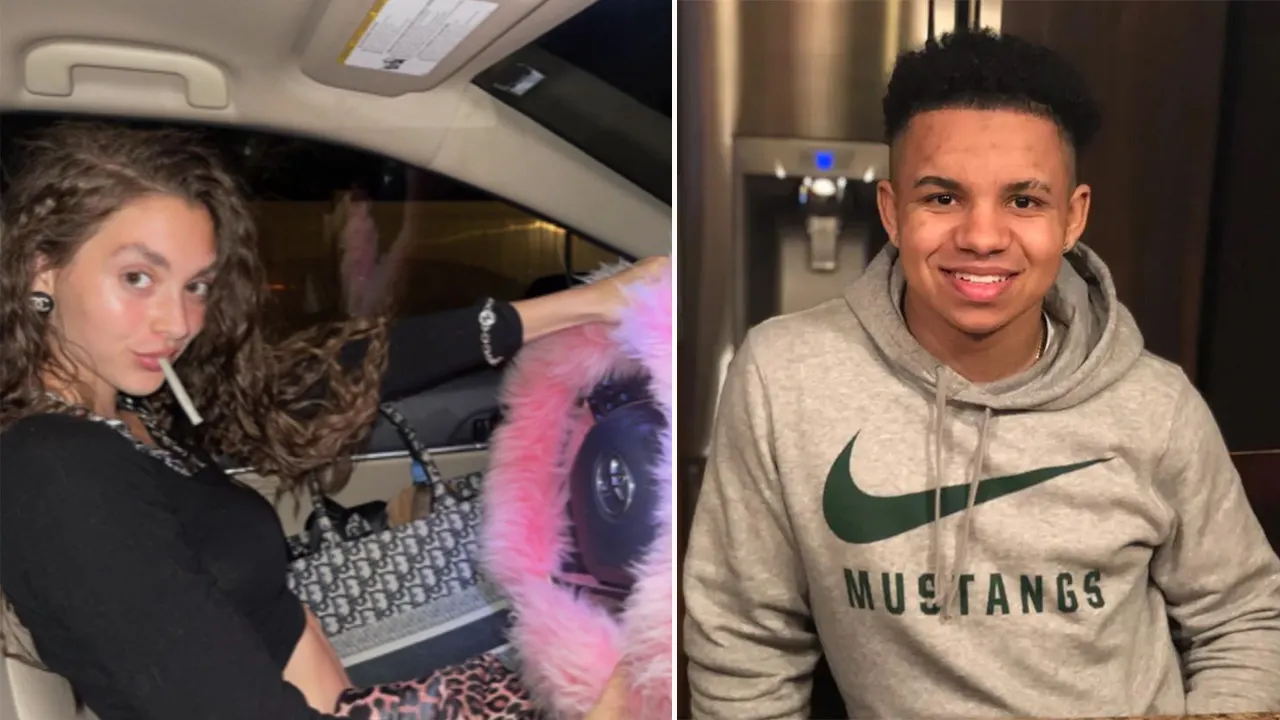
The quiet suburb of Strongsville, Ohio, was forever changed in the pre-dawn hours of July 31, 2022, when a violent, high-speed collision shattered the summer silence and claimed the lives of two promising young men. Dominic Russo, just twenty years old, and his close friend, nineteen-year-old Davion Flanagan, were passengers in a Toyota Camry driven by eighteen-year-old Mackenzie Shirilla. In a split second, the vehicle accelerated to a devastating speed and slammed directly into a brick business complex, leaving behind a scene of unimaginable physical ruin and immediate loss of life. Dominic, a young man remembered for his vibrant energy and deep connections to those around him, and Davion, an innocent friend who by all accounts was merely looking for a ride home, were killed instantly, leaving their families to awaken to a living nightmare. The driver, Mackenzie, survived the catastrophic impact, but the wreckage of that night would soon ignite a storm of legal prosecution, public outrage, and unbearable grief that has kept this small Ohio community and the wider nation gripped by a search for answers.
As the smoke cleared and the investigation intensified, the narrative surrounding the tragic crash shifted from an inexplicable accident to a chilling, deliberate act of domestic violence. Prosecutors painted a dark portrait of Mackenzie Shirilla, branding her “hell on wheels” and arguing that she had intentionally used her car as a weapon to end what they characterized as a volatile, deeply toxic romance with Russo. At trial, the court was presented with evidence of a tumultuous relationship, including explosive arguments and threatening messages, leading prosecutors to argue that Davion Flanagan was simply collateral damage in Shirilla’s desperate, fatal bid to control her boyfriend’s destiny. In a emotional bench trial, a judge rejected the defense’s theory of a tragic mishap, convicting Shirilla, then eighteen, of four counts of murder, felonious assault, and aggravated vehicular homicide. Sentenced to two concurrent terms of fifteen years to life, the young woman was led away in tears, pleading her innocence and insisting that her love for Dominic would never have allowed her to intentionally cause him harm, exposing the agonizing, irreconcilable gap between the state’s cold criminal convictions and a teenager’s claims of an terrible accident.
In the years following her conviction, a new and profoundly humanizing legal defense emerged, seeking to explain the physical mechanics behind the tragedy through the lens of a debilitating, invisible medical condition. Shirilla’s new appellate attorneys filed a petition arguing that her original trial team had failed her by ignoring critical medical evidence that she suffered from Postural Orthostatic Tachycardia Syndrome, commonly known as POTS. This complex autonomic nervous system disorder can cause sudden, dramatic drops in blood pressure and rapid spikes in heart rate, particularly under intense stress or sudden postural shifts, frequently leading to dizziness, cognitive confusion, and sudden blackouts. The defense contended that if her trial lawyers had properly investigated and presented expert testimony on POTS, they could have offered a scientific explanation for why Shirilla failed to press the brakes before colliding with the brick wall. This medical argument sought to replace the image of a cold-blooded, calculating killer with that of an incapacitated teenager who had lost consciousness behind the wheel, presenting a tragic medical emergency rather than a double murder, and highlighting the heartbreaking struggle of a family trying to explain a catastrophic event through physical vulnerability.
However, the hope of having this medical evidence reviewed on its merits was abruptly crushed by the unbending, rigid calculations of the American judicial system, where a single day’s delay can shut the door on justice forever. Under Ohio law, a defendant seeking postconviction relief must file their petition within a strict 365-day window from the date the trial transcript is submitted to the appellate court. In Shirilla’s case, the transcript was filed on October 24, 2023, establishing a hard deadline of October 23, 2024; yet, her legal team did not submit their petition until October 24, 2024—the 366th day. Despite desperate and creative arguments from her lawyers, who pointed out that 2024 was a leap year and argued that the timeline should have begun later with the filing of juvenile transfer records, the appellate court remained unmoved, ruling that “365 days” means exactly that, regardless of a leap year, and that procedural deadlines are absolute. This devastating legal blunder meant that the courts refused to even look at the medical evidence concerning her POTS diagnosis, demonstrating how the cold machinery of procedural bureaucracy can supersede the search for truth, leaving a young woman’s life hanging on a clerical error of twenty-four hours.
This frustrating legal dead-end was brought back into the global spotlight following the release of the popular Netflix docuseries, “The Crash,” which thrust the tragedy of Strongsville back into the public consciousness. The series re-examined the case, dissecting the raw bodycam footage of Shirilla’s family, the agonizing testimonies of the victims’ loved ones, and the polarizing debates surrounding her guilt or innocence. By broadcasting the intimate details of the trial to millions of viewers worldwide, the television network transformed a private, localized nightmare into a subject of global internet debate, with viewers arguing passionately over whether Shirilla was a victim of a medical lockout or a remorseful killer. The Ohio Supreme Court, led by Chief Justice Sharon L. Kennedy, officially declined to take jurisdiction of her latest appeal, reinforcing the lower court’s decision and leaving her life sentence completely intact. For the families of Dominic Russo and Davion Flanagan, the television spotlight and the ongoing legal battles have kept their wounds raw, forcing them to repeatedly relive their worst nightmares on a national stage while the world debates the guilt of the young woman who took their sons away.
Today, Mackenzie Shirilla, now twenty-one, sits in an Ohio prison serving her life sentence, where she has reportedly taken a prison job, attempting to build some semblance of a life within the concrete walls of her confinement. The tragic finality of the Ohio Supreme Court’s refusal to hear her case leaves her with few legal avenues remaining, cementing her status as a convicted double murderer in the eyes of the law, even as her family and defense team maintain that an undiagnosed medical emergency was the true culprit. Meanwhile, the homes of the Russo and Flanagan families remain haunted by the quiet, permanent absence of two young men who should have been celebrating their twenties, reminding us that no court ruling, legal technicality, or streaming documentary can restore what was lost in those few violent seconds in 2022. In the end, the story of Mackenzie Shirilla remains a deeply tragic illustration of the human cost of sudden violence, leaving us with a sobering reminder of the finality of the law, which in its search for order and adherence to procedural deadlines, often leaves us with precise legal resolutions but deeply unresolved human questions.