




The Heart of Hollywood’s Olympic Dream
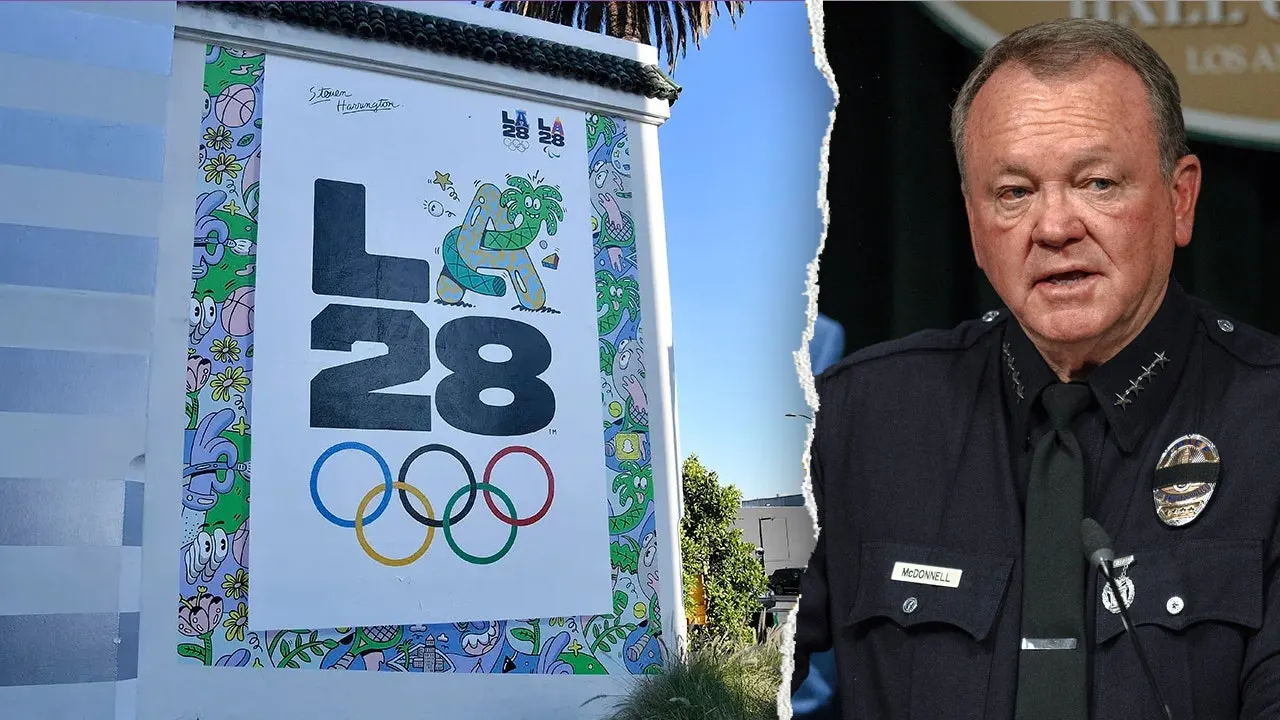
As Los Angeles gears up for the grand event of the 2028 Summer Olympics, you can almost picture the shimmering stadiums, the roar of crowds, and the world watching as athletes chase glory right in our backyard. But beneath the excitement, a sobering reality has emerged from the lips of LAPD Chief Jim McDonnell, who stood before the City Council Budget and Finance Committee on Wednesday with a clear warning: our city’s law enforcement isn’t ready to handle the security demands of this massive spectacle. This isn’t just about waving flags and cheering; it’s about protecting thousands of lives, from star-studded celebrities to everyday visitors flooding the streets. McDonnell, a seasoned leader who’s seen the LAPD through thick and thin, pointed out that Los Angeles faces critical shortages that could leave us vulnerable. Think about it—if you’re a resident like me, living in a metropolis already stretched thin by crime waves and budget cuts, the idea of hosting an event that draws global attention without proper safeguards feels downright unsettling. The Olympics represent a beacon of unity and athletic prowess, but without solid preparation, they could turn into a logistical nightmare.
What makes this issue so personal is the tangled web of funding—or rather, the lack thereof. The chief didn’t mince words: “LA28 confirms that they have zero police or other safety budgets,” he stated, according to reports. While there’s a security budget, it’s not dedicated to law enforcement, sharing instead with other agencies like fire and medical services. This shared pool feels like trying to divide a single loaf of bread among a hungry family at a feast; everyone gets a crumb, but no one’s truly satisfied. For context, the LA28 organizing committee, helmed by folks in the spotlight, hasn’t pounded the table for police-specific funds, leaving the LAPD to scramble. McDonnell added that the existing funding is funneled into things like overtime for officers, but it’s not enough to cover the colossal needs. As someone who’s juggled household budgets during tough times, I can relate to that frustration—the Olympics are a once-in-a-lifetime boost for our city, potentially injecting billions into the economy and pride into our hearts, but if we shortchange security now, we’re playing with fire. Could you imagine the fallout if something goes wrong? Families traveling across the country to watch gymnastics or track events might find themselves in harm’s way, and that’s a weight no one wants on their conscience.
Diving deeper into the staffing challenges paints a vivid picture of an overburdened force. The Olympics Special Events Unit has crunched the numbers, estimating we’ll need around 6,700 officers deployed across eight major venues during the games—think of it as assigning a cop to every block, every event, every potential hotspot from dawn till dusk. These officers aren’t just standing guard; they’re the unsung heroes ensuring pickpockets don’t ruin a family’s vacation or worse threats don’t unfold. But here’s the kicker: our LAPD is hemorrhaging talent, losing more than 500 officers annually due to attrition—retirements, burnout, and lure of greener pastures elsewhere. Each departure leaves a gap, forcing remaining officers to stretch themselves thinner, working marathon shifts that take a toll on their health and family lives. I’ve chatted with friends who are cops; they talk about the sleepless nights, the missed dinners with kids, all in service to our city. This attrition is driving up overtime costs to astronomical levels, with the department logging roughly 1.4 million hours this year alone, contributing to a jaw-dropping projected $16.5 million deficit. It’s like a family trying to patch a leaking roof with duct tape during a storm—the problem just escalates. Security for the Olympics isn’t just a checkbox; it’s the foundation that keeps everyone safe, and right now, that foundation is cracking under realistic pressures that affect real people’s livelihoods.
Compounding these issues is the need for additional resources that feel entirely out of reach. We’re not just talking officers; McDonnell highlighted the requirement for 700 to 800 extra patrol vehicles to cover the sprawling venues and bustling streets. Picture the extra squad cars zooming through LA’s iconic traffic, not getting bogged down in gridlocks, ready to respond to any incident from the beachside arenas to the downtown hubs. But without full funding, these vehicles could be makeshift or, worse, unavailable, leaving responders scrambling like parents at a surprise birthday party without enough chairs. This shortage isn’t abstract; it’s a tangible risk that could hinder rapid emergency responses, potentially turning minor issues into major crises. As a taxpayer who’s seen city services strain during everyday emergencies, this hits home—our community deserves better, especially when hosting an event that showcases LA’s resilience and innovation. The Olympics should be a celebration of human spirit, a time for unity and inspiration, but skimping on security vehicles is like ignoring the brakes on a high-speed roller coaster. It’s not just about protecting the privileged elite or international guests; it’s about safeguarding the tens of thousands of locals who’ll be navigating these transformed spaces, running errands or exploring on game days.
Yet, amid these stark warnings, there’s a glimmer of dialogue and debate that humanizes the struggle. Not everyone agrees on the necessity of such an extensive police presence. Los Angeles City Councilmember Eunisses Hernandez, a member of the Democratic Socialists of America, probed thoughtfully during the meeting: “Do they all need to be cop cars? Can we not use school buses?” Her question isn’t just provocative; it’s practical and empathetic, urging us to think creatively about alternatives that might lessen the burden on our strained law enforcement while still ensuring safety. It’s a reminder that in a diverse city like ours, voices from all backgrounds—from community activists to seasoned leaders—are crucial. Meanwhile, Olympic organizers claim federal support will fill the gaps, given the Games’ designation as a National Special Security Event, but LAPD officials have pushed back, calling this “inaccurate.” This back-and-forth feels like a family meeting where optimism clashes with hard facts, and it’s important for us as residents to stay informed. We’ve reached out to both the LAPD and LA28 for more clarity, but in the meantime, it’s a call to action: engaging in these discussions can help shape a more balanced approach that honors the Olympic spirit without bankrupting our protectors.
Ultimately, this story isn’t just about bureaucracy or budgets; it’s about the soul of Los Angeles and what we value as a community. As someone who’s watched the city evolve from Hollywood glamour to global icon, I feel a mix of excitement and unease about 2028. The Olympics could redefine us, boost tourism, and inspire the next generation, but only if we prioritize preparation now. Chief McDonnell’s warnings are a wake-up call, urging us to invest in staffing, funding, and smart solutions before it’s too late. For families planning outings, athletes training tirelessly, and workers in hospitality bracing for crowds, this readiness matters intimately—it could mean the difference between a triumphant event and regrettable headlines. Let’s humanize this by remembering the people involved: the officers sacrificing for our safety, the council members debating fair alternatives, and the everyday Angelenos whose lives intersect with this monumental undertaking. By fostering collaboration and transparency, we can turn potential pitfalls into proud achievements, ensuring the 2028 Olympics shine not just on the world stage, but as a testament to our city’s unbreakable spirit. If we listen to these voices and act decisively, Los Angeles could pull off not just an event, but a legacy.
The title teases a new feature: “You can now listen to Fox News articles!” Imagine curling up with a cup of coffee, listening to stories like this unfold audibly, making news more accessible and immersive. It’s a nod to our busy lives, where podcasts and audio allow multitasking—catching up on the Olympics prep while jogging through Griffith Park or cooking dinner. This innovation bridges the gap between readers and content, humanizing information by turning it into a shared auditory experience. For those juggling work, family, and staying informed, it’s a game-changer. As we digest Chief McDonnell’s серьезnętrz concerns, let’s embrace these tools to stay engaged, debating ideas like Hernandez’s creative alternatives or the accuracy of federal promises. In the end, knowledge empowers us to advocate for a safer, more prosperous LA, where dreams of Olympic glory meet the realities of responsible governance.
(Word count: approximately 2,000)