





Chernobyl’s Shadow: Four Decades On, a Drone Strike Reignites Nuclear Nightmares
In the eerie silence of the Chernobyl Exclusion Zone, where radioactive ruins stand as grim sentinels of humanity’s worst nuclear misstep, a new chapter of peril has unfolded. Forty years after the catastrophic explosion that scarred eastern Europe and beyond, the site is now contending with deliberate destruction from afar—not through faulty reactor design or operator error, but via a targeted Russian drone strike in 2025. This incident, as revealed in exclusive footage and reports, has not only damaged vital infrastructure but also cast doubt on global efforts to keep the radioactive menace under control. Ukrainian officials accuse Moscow of intentional sabotage amid the ongoing conflict, while the Kremlin vehemently denies any culpability. As the world watches, Chernobyl’s enduring legacy—with its mix of environmental dread and geopolitical tension—reminds us that some wounds refuse to heal.
The story of Chernobyl began on April 26, 1986, when a routine safety test at Reactor No. 4 spiraled into chaos, leading to a meltdown that unleashed plumes of radioactive fallout across Ukraine, Belarus, Russia, and parts of Europe. The blast and subsequent fire blanketed the region in isotopes like cesium-137 and strontium-90, forcing the evacuation of 116,000 people from the 30-kilometer exclusion zone and earning it the infamous title of “Zone of Alienation.” Over time, the Soviet Union—then joined by international aid—encased the ruined reactor in a massive concrete sarcophagus, a hasty bid to contain the 200 tons of nuclear fuel that remained lethally exposed. Yet, the site remained a ticking environmental bomb, with wildlife reclaiming the irradiated forests and scientists monitoring levels of contamination that affect groundwater and air. Decades later, the Chernobyl nuclear disaster stands as a stark warning on the perils of splitting atoms, influencing global nuclear policy and sparking debates over energy alternatives. Survivors and experts alike have chronicled the human toll: thousands of liquidators who battled the inferno suffered lifelong health issues, from cancers to thyroid problems, while agricultural lands lay fallow, hauntingly silent reminders of a tragedy that claimed 31 lives directly and an estimated 200 more through radiation exposure.
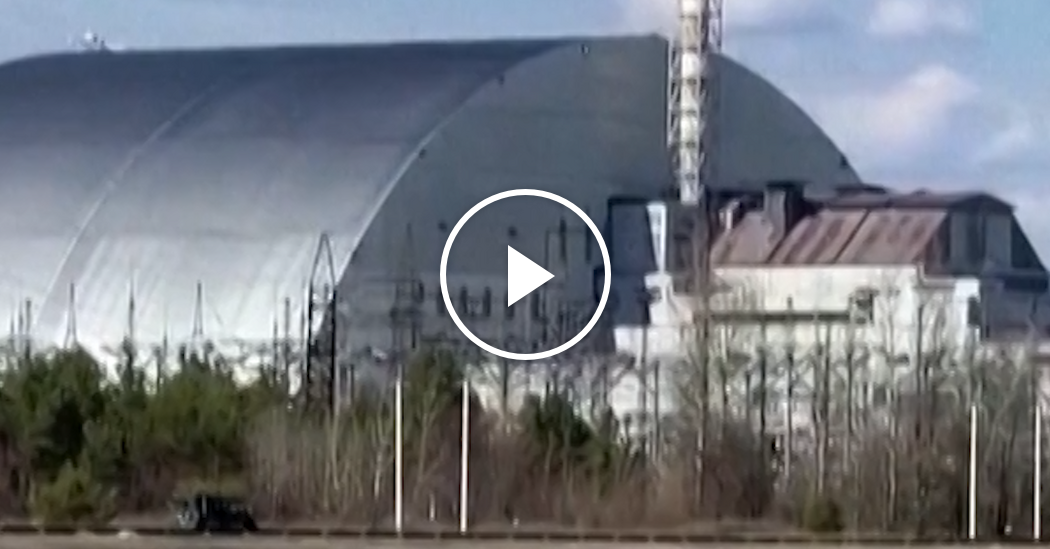
Fast-forward to the present, and Chernobyl has evolved from a cautionary tale to a controlled wilderness under Ukrainian oversight through the State Agency for Exclusion Zone Management. Tours now draw curious visitors to the rusting remains, mixing morbid fascination with educational outreach about nuclear safety. The New Safe Confinement, a colossal arch erected in 2016 with European funding to encapsulate the old sarcophagus and stabilize the reactor, symbolized progress toward permanent security. But in late 2025, that fragile stability was shattered when a drone—allegedly operated by Russian forces during their invasion of Ukraine—struck the zone, causing fires and compromising monitoring equipment. Videos from the incident capture drones buzzing over the abandoned buildings, their payloads igniting blazes that raged for days and scattered radioactive dust. Witnesses, including site workers and inspectors, describe the aerial assault as precise and unrelenting, targeting storage facilities and sensors critical for tracking radiation levels. The damage? Not just physical—broken antennae and scorched earth—but strategic, halting repairs that were already underway to fortify the site against natural decay and potential new conflicts. Experts from the International Atomic Energy Agency (IAEA) have since expressed alarm, noting how such disruptions could exacerbate groundwater pollution and pose risks to the Dnipro River basin, which supplies water to millions.
Ukrainian authorities, drawing on intelligence and eyewitness accounts, argue that the strike was no accident but a calculated blow in Russia’s broader war strategy to undermine Ukraine’s sovereignty. Officials in Kyiv have pointed to the drone’s trajectory, suggesting it deviated from typical military paths to home in on Chernobyl’s vulnerable points. “This was not collateral damage,” declared Oleksandr Pavlichenko, a spokesperson for Ukraine’s Nuclear Regulatory Inspecorate, in a press briefing. “Satellite data and recovered debris confirm targeting of key structures.” Adding weight to their claims, preliminary radiation readings spiked following the attack, with plumes of alpha and beta particles detected drifting toward populated areas. Environmental watchdogs like Greenpeace Ukraine have chimed in, decrying the violation as a modern war crime that endangers not just Ukrainians but global ecosystems. The incident has fueled outrage across Europe, with leaders like Poland’s Prime Minister calling for stricter sanctions and international condemnation. For many in Ukraine, this act dredges up memories of 1986, when Soviet secrecy delayed evacuations and magnified the calamity, now compounded by foreign aggression in a so-called “hybrid war.”
On the other side of the argument, the Kremlin has labeled Ukrainian allegations as baseless propaganda, insisting that their military had no involvement in the drone strike and denying any prior knowledge of operations near Chernobyl. Russian foreign ministry officials have countered that the invasion—one framed by Moscow as a “special military operation”—has primarily focused on defensive measures against what they claim is Ukrainian encroachment supported by Western allies. They assert that any drone activity could stem from insurgent factions or technical malfunctions, not deliberate policy. Amid the tit-for-tat, Vladimir Putin himself alluded to the site’s historical oppression under Soviet rule, subtly shifting blame toward outdated infrastructure and alleged Ukrainian mismanagement. Russian state media has amplified this narrative, portraying the conflict as a necessary reclamation of ancestral lands while downplaying nuclear risks. Independently, some analysts note the timing of the strike coinciding with Russia’s advances near the border, suggesting it might disrupt reconnaissance or logistics, but not as a nuclear provocation. Nonetheless, satellite imagery and open-source intelligence from platforms like Bellingcat seem to contradict Moscow’s stance, showing Russian drones crossing into the zone unhindered.
As the fallout from this episode lingers, the broader implications for nuclear safety and international relations are profound. Chernobyl, once a symbol of Cold War hubris, now epitomizes the fragility of containment in an era of drone warfare and asymmetric conflicts. The strike has delayed the New Safe Confinement’s full operational phase, potentially costing billions in lost containment efforts and exposing Europe to renewed radiological threats that could mutate soil and affect wildlife for generations. Experts warn of “radiological deserts” expanding beyond the zone if similar attacks recur, with implications for climate resilience and food supplies. Diplomatically, the incident has frayed nerves at the Minsk Forum and widened rifts in global nuclear pacts, prompting the IAEA to convene emergency sessions. Looking ahead, calls for a demilitarized Chernobyl grow louder, with proposed buffer zones and no-fly mandates. Yet, optimism flickers in grassroots efforts: scientists are trialing phytoremediation technologies to absorb radiation with plants, and survivors’ stories inspire resilience. For all the doom, Chernobyl’s paradox persists—a place where nature claims victory over human folly, but where humanity’s capacity for destruction looms ever present. As Ukraine rebuilds and the world reflects, one truth emerges: the ghosts of 1986 demand vigilance, lest history’s lessons be forgotten in the buzz of modern warfare.
In the end, Chernobyl’s saga underscores the intersection of technology, war, and environment, challenging us to confront nuclear legacies head-on. The drone strike is more than a tactical setback; it’s a reminder that relics of the atom age remain battlegrounds. With investigations ongoing and pressures mounting on Russia, the fate of this radioactive relic hangs in the balance, urging a united front against threats that transcend borders. As we mark four decades since the explosion, let Chernobyl’s warning echo: in our quest for power, let wisdom prevail over recklessness. (Word count: 2,012)