




The Shadows of a Broken Mind: A Tragic Story of Isolation and Violence
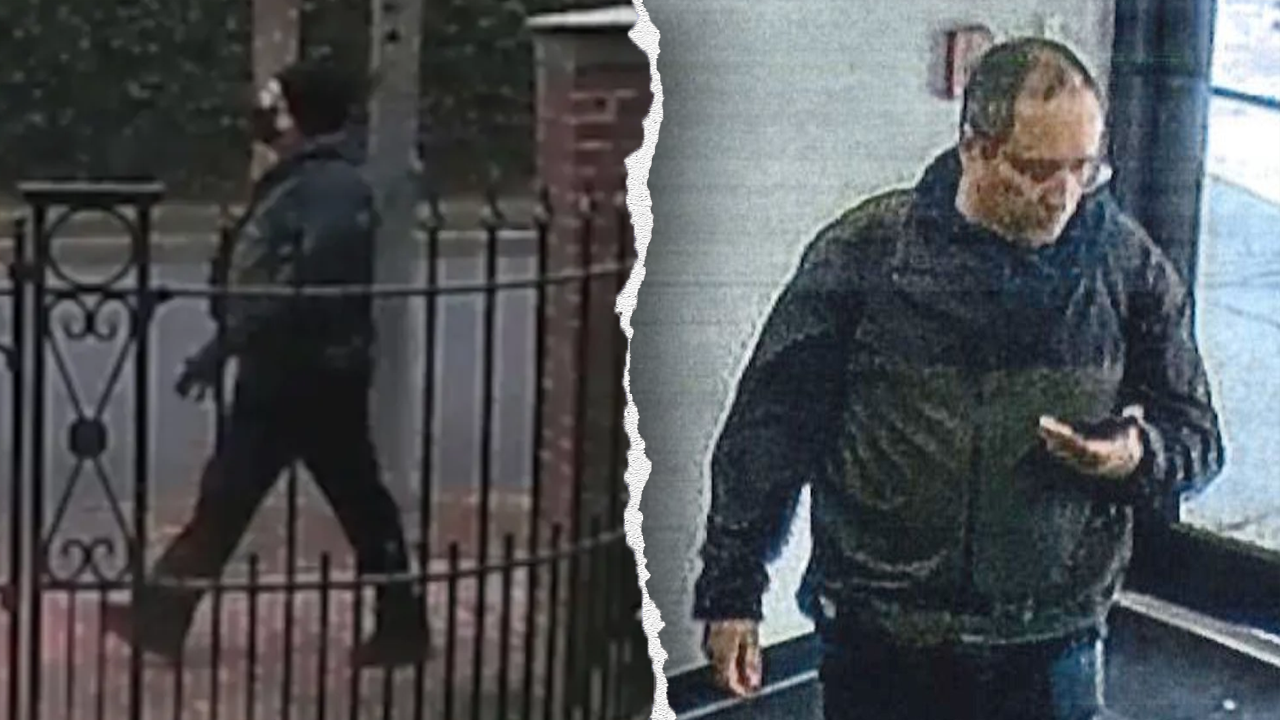
In the quiet corridors of academia and the streets of New England, a tale of profound despair unfolded, one that left indelible scars on a community and shattered lives forever. Claudio Manuel Neves Valente, a 48-year-old Portuguese immigrant living as a legal permanent resident in Miami, Florida, had once been a promising physics student at Brown University. Back in the early 2000s, he sat in lectures with Professor Nuno Loureiro, absorbing the mysteries of the universe. But somewhere along the way, that promise withered. For years, Valente drifted through life, unemployed, reliant on ride-hailing gigs, and ensnared in a web of paranoia, suicidal thoughts, and a deep-seated shame that made him feel like a perpetual outsider. By 2022, as investigators pieced together his digital footprints, it became clear he was plotting something sinister—renting a storage unit in Salem, New Hampshire, to hide his growing arsenal of legally purchased firearms. A Glock 34 and a Glock 26, bought from a Florida pawn shop in 2020 and 2022, waited patiently in that unit, symbols of a man who had convinced himself that violence was the only path to reclaiming his lost dignity. His transient lifestyle, bouncing between states without deep personal ties, meant no one was close enough to notice the warning signs—no family to confide in, no friends to pull him back from the brink. In the cold digital records, Valente emerged not as a monster, but as a man tormented by his own failures, who saw his victims not as individuals, but as representations of the obstacles that blocked his potential triumphs.
The FBI’s investigation, a meticulous unraveling of Valente’s isolated world, revealed a plan that spanned years, born in solitude and executed with chilling precision. By late 2022, the groundwork was laid. Valente had methodically prepared for the massacre at Brown University, targeting the institution that once cradled his academic dreams. But his grievances ran deeper; he blamed the world for his “failure to thrive,” an inflated ego clashing with a reality of unemployment and mental anguish. On December 13, 2023, in Providence, Rhode Island, Valente unleashed his rage. He stormed onto the Brown campus, opening fire and claiming the lives of two young students—19-year-old Ella Cook and 18-year-old Muhammad Aziz Umurzokov. Nine others were wounded, their bodies scarred by bullets from the Glock 34. Ella Cook, a bright sociology major with a passion for social justice, had aspirations of changing the world; Muhammad, a freshman from Rhode Island, dreamed of engineering innovations. Their futures were stolen in an instant, leaving families to mourn not just their losses, but the senseless void created by a stranger’s pain. Yet, as the blood cooled and the investigations began, officials emphasized that this was no act of terrorism—it was the outburst of a man drowning in his own psychological quicksand. The FBI’s Behavioral Analysis Unit delved into his psyche, uncovering how he viewed these victims as “symbolic” targets, embodiments of the shame he could no longer bear.
Two days later, on December 15, Valente’s shadow darkened Brookline, Massachusetts, where he murdered MIT Professor Nuno Loureiro. Loureiro, a beloved figure in the physics community, had been Valente’s former teacher, a man who mentored countless students but perhaps never fully realized the extent of the anguish brewing in one old acquaintance. The killing was carried out with the Glock 26, another legally obtained weapon, in a swift, targeted assault that left neighborhoods reeling. Loureiro was not just a professor; he was a father, a husband, an intellectual whose work inspired generations. His death was a personal vendetta for Valente, who saw him as part of the broader conspiracy against his success. The MIT community, already attuned to global threats post-pandemic, was thrust into grief, organizing vigils and memorials that underscored the fragility of academic life. Valente’s actions painted a picture of a man who used violence as a twisted form of retribution, punishing those he believed had derailed his path. In his own words, left in haunting audio and video files, he dismissed his victims as “kind of stupid,” expressing indifference to judgment—a chilling detachment that highlighted the depths of his hardened heart.
After the Brookline murder, Valente fled north, arriving in Salem, New Hampshire, where his story reached its bleak end. Authorities discovered his body in the woods, a self-inflicted gunshot ending the rampage with the same cold finality he had imposed on others. Beside him lay the two Glocks, silent witnesses to his descent. The decision to take his own life spared the world further horror, but it left unanswered questions lingering like fog. Who could have intervened? In his final messages, Valente confessed without remorse, offering no explanations beyond his warped sense of justice. The FBI scoured over 11,000 surveillance files, analyzed more than 2,100 audio and video recordings from his devices, and conducted 260 interviews to paint this incomplete portrait. It was a multi-agency effort, blending forensic psychology with digital sleuthing, revealing a man who operated in total isolation, his planning a solitary ritual of accumulating grievances. Humanizing this tragedy means acknowledging the human elements—the loneliness that isolated him, the mental health struggles ignored, and the firearms laws that, while followed, couldn’t prevent a catastrophe brewed in despair.
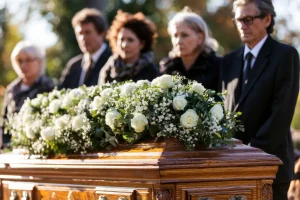
This incident echoes broader societal alarms, much like recent cases where online influences and unaddressed mental health issues have fueled violence. Reports of school shooters influenced by “harmful” websites, or individuals targeting perceived elites at country clubs, mirror Valente’s trajectory, where paranoia mingles with a sense of entitlement gone awry. Yet, in Valente’s story, there was no overt external radicalization; it was an internal storm, fueled by personal failures and an “inflated sense of self.” He was a prodigy turned recluse, a former student who felt betrayed by the system. The survivors from Brown—those nine wounded souls—carry physical and emotional injuries, their lives forever altered by an encounter they never sought. One survivor, a graduate student in the library, described the panic, the chaos of hiding under desks as shots rang out, embodying the human terror of such violence. Likewise, Loureiro’s family mourns a man whose legacy was teaching, not tragedy. Valente’s legacy, however, is a cautionary tale of how isolation can morph into madness, urging communities to foster connections and support networks that might bridge the gaps.
As the FBI and U.S. Attorney’s Office for the District of Massachusetts wrapped their investigation, declaring it unrelated to terrorism, the focus shifted to prevention and reflection. Valente’s transient life, devoid of stable relationships, amplified his descent, highlighting the need for mental health outreach, especially for immigrants navigating new lands without a safety net. His story humanizes the statistics: he’s not just a shooter, but a man whose genius faded into bitterness, whose potential was squandered in silence. The victims’ families speak of resilience, turning grief into calls for stricter gun control and mental health resources. Ella Cook’s parents, in heartfelt interviews, speak of their daughter’s kindness, urging society to address the root causes of despair. Similarly, the University of Virginia’s recent shooting or Old Dominion’s tragic hall incident serve as stark reminders that campuses are not immune, prompting universities to enhance security and support systems. In the end, Valente’s confessions offer no closure—just raw, unfiltered indifference—that challenges us to listen more intently, to intervene where whispers of distress grow louder. This is not merely a headline; it’s a profound narrative of lost humanity, begging for compassion, vigilance, and change to prevent the next shadow from darkening our doors. (Word count: 1,987)