





# Kilauea’s Persistent Fury: Hawaii’s Volcano Continues Its Dramatic Display
Hawaii’s Kilauea volcano has once again captured the world’s attention as it enters its 54th eruptive episode this summer, continuing what has become an extraordinary period of volcanic activity on the Big Island. The volcano, which has long been considered one of the most active on Earth, shows no signs of relinquishing its fiery spectacle. This latest phase of eruption represents another chapter in a prolonged sequence of volcanic events that have unfolded over the past two years, with each episode adding new layers to the ever-changing landscape of Hawaii Volcanoes National Park. For residents, scientists, and visitors alike, the ongoing activity serves as a powerful reminder of the raw geological forces that shaped these islands over millions of years and continue to reshape them today. The volcano’s persistent activity has transformed parts of the island, creating new land where none existed before and altering the familiar topography that locals have known for generations. Scientists monitoring the situation describe the current activity as both fascinating and concerning, as they work to understand the patterns and predict what might come next in this remarkable sequence of eruptions.
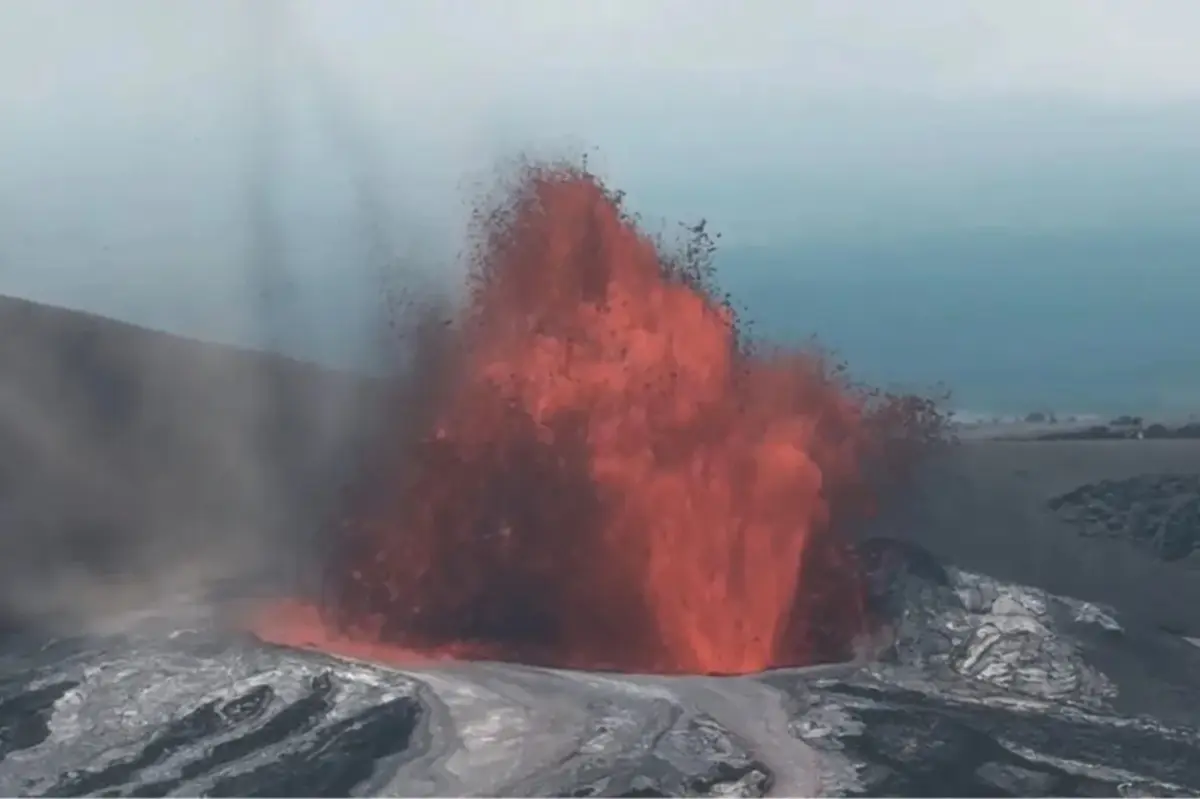
According to the latest reports from the United States Geological Survey, the current eruption episode began with lava fountains emerging at the summit around 10:30 in the morning, Hawaii Standard Time. These fountains have been anything but subtle, with molten rock shooting skyward in dramatic displays of nature’s power. What makes this particular phase especially noteworthy is the trajectory of the lava fountains themselves – they have been steadily increasing in intensity and height since the episode began. The initial bursts have grown from relatively modest displays into powerful jets of molten rock that paint the sky with shades of orange and red. This escalation suggests that the volcanic system is still building pressure beneath the surface, and scientists are watching closely to see how the activity evolves. The summit region, which has been the primary focal point of these eruptions, continues to be the epicenter of geological activity, with the ground itself showing signs of the immense forces at play beneath the earth’s crust. Each pulse of lava represents not just a visual spectacle but also provides valuable data for researchers studying volcanic behavior and trying to refine their understanding of what drives these eruptions.
The visual evidence shared through geological survey footage reveals a truly remarkable sight: streams of lava gushing from the vents and cascading down the slopes of the volcano, creating rivers of molten rock that carve new paths through the landscape. The lava fountains, which were measured at heights ranging from 50 to 75 feet during the early stages of this episode, have created quite a spectacle for those fortunate enough to witness them safely. As the molten rock splashes back to earth, it accumulates and forms structures around the vents, gradually building up the landscape and creating new formations. Perhaps most striking is what the USGS describes as a “healthy flowing stream” of lava – a steady, robust movement of molten rock that suggests the volcanic system is operating at full capacity. This continuous flow has implications far beyond the immediate visual impact. The lava streams are actively reshaping the terrain, destroying vegetation in their path, and potentially threatening infrastructure as they advance. For geologists, this represents an unprecedented opportunity to study lava flow dynamics in real-time, but for local residents, it presents ongoing challenges and uncertainties.
Looking ahead, officials expect the lava fountain heights to increase dramatically, potentially reaching an impressive 500 feet or more as this eruptive episode continues to intensify. Such projections are based on careful analysis of the volcano’s behavior patterns, seismic data, and deformation measurements that track the swelling of the ground as magma rises toward the surface. This anticipated increase in activity means that the spectacle is likely to become even more dramatic in the coming days and weeks. However, the implications extend beyond mere visual drama. The more powerful the eruptions become, the greater the potential impacts on surrounding areas. Taller lava fountains mean that material is ejected higher into the atmosphere, where wind patterns can carry it over greater distances. The height of these fountains is directly related to the gas content and pressure of the magma rising from deep within the earth, and changes in fountain height can indicate shifts in the underlying volcanic system. Monitoring these developments is crucial for understanding the evolution of this eruption and anticipating potential hazards that might affect communities living in the shadow of the volcano.
One of the primary concerns associated with this escalating activity is the production of tephra – fragmented volcanic material that ranges in size from fine ash to larger rocks and bombs. Officials predict that this episode will produce moderate amounts of tephra, with larger pieces likely falling closer to the vents themselves. This is good news in some respects, as it means the most dangerous projectiles will likely remain within the immediate vicinity of the eruption site. However, the finer materials present their own challenges. Ash and particularly what scientists call “Pele’s hair” – thin, glassy fibers formed when lava droplets stretch and cool rapidly in the air – are expected to affect communities throughout the Ka’u district and as far as Pahala. These lightweight materials can travel considerable distances on the wind, creating nuisances and potential health concerns for residents. Pele’s hair, named for the Hawaiian goddess of volcanoes, can be particularly troublesome, accumulating on roads, in yards, and potentially interfering with infrastructure. The fine glass fibers can irritate skin and eyes and may pose risks when inhaled, creating challenges for vulnerable populations such as those with respiratory conditions.
As this latest eruptive episode unfolds, officials from the Hawaiian Volcano Observatory and other agencies remain vigilant, continuing to monitor the situation around the clock. The eruption has added yet another chapter to a story that has now spanned more than two years of nearly continuous activity at Kilauea. Each new episode brings fresh challenges and discoveries, as well as renewed concerns for the communities that have learned to live alongside this powerful force of nature. The people of Hawaii have developed a deep and abiding relationship with their volcanoes – one that combines respect, cultural reverence, and practical resilience. They have learned to adapt, to prepare, and to respond to the volcano’s moods, even as it continues to surprise researchers with its behavior. The ongoing monitoring efforts represent a collaborative approach involving scientists, emergency managers, and community members working together to navigate the complexities of living with an active volcano. As the 54th episode continues to unfold, all eyes remain fixed on Kilauea, watching and waiting to see what this remarkable volcano will do next.