






The Unimaginable Horror: A Young Man’s Descent into Violence
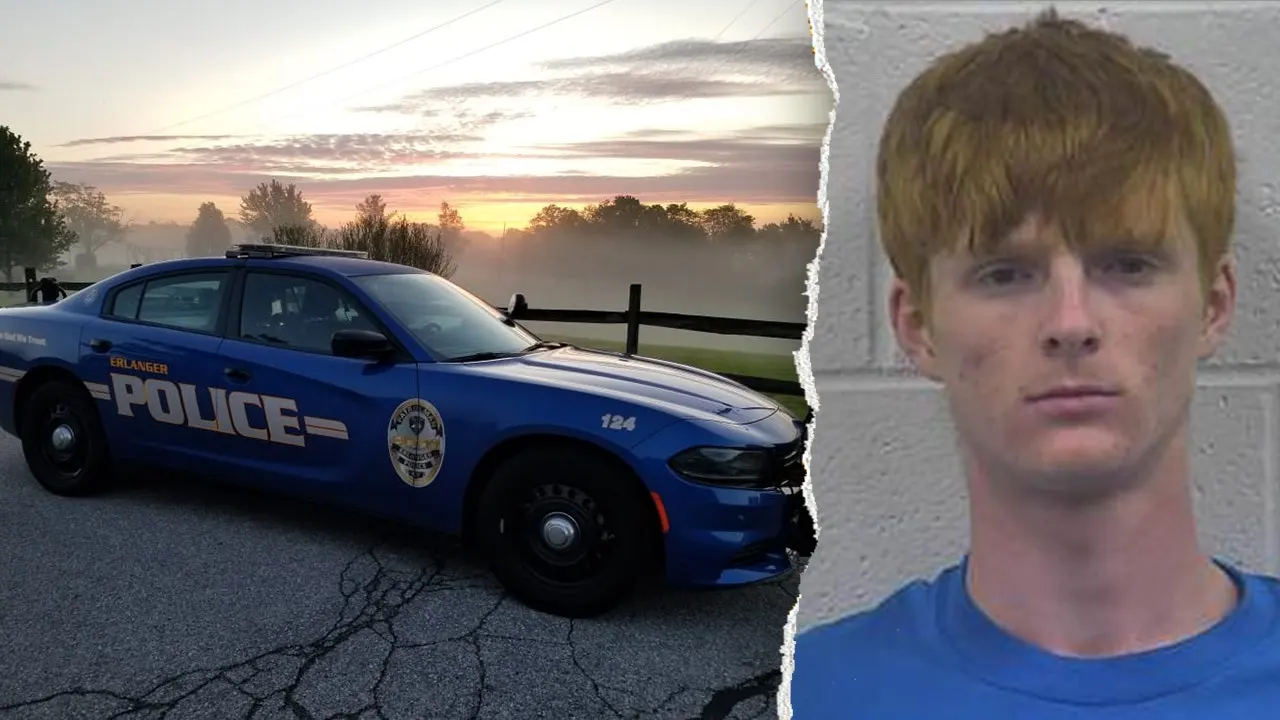
In the quiet suburbs of Kentucky, where families might gather for holidays and life seems deceptively ordinary, a chilling crime shattered the peace in October 2024. Wyatt Testerman, just 19 years old, stood accused of brutally murdering his own grandmother, Cheri Oliver, a 74-year-old woman who had likely devoted her life to family, perhaps spoiling grandchildren or sharing stories from decades past. Cheri, with her warm smile and life experiences etched on her face, represented the stability and love that anchors many households. Yet, on that fateful day, she became the victim of an unprovoked rage that no one could have anticipated. Testerman, whose life had perhaps been troubled by unseen demons, entered a courtroom in Kenton County, pleading guilty but mentally ill to murder. This plea, allowed under state law, offered him a pathway to mental health treatment behind bars, but it did little to assuage the grief of those who knew Cheri. Prosecutors, including Kenton County Commonwealth Attorney Rob Sanders, vowed to seek the maximum penalty—life in prison—underscoring the severity of the act. As details emerged, it became clear this was not a crime born of necessity or argument, but a horrifying outburst that left investigators, family members, and observers grappling with the fragility of the human mind.
Imagine the scene in Cheri’s home: cozy perhaps, with photos of family smiles adorning the walls, the faint scent of homemade baking lingering in the air. But on that day, Wyatt recorded the attack on his phone, setting it up deliberately as if to capture a twisted memoir. The video, a sickening testament to his actions, showed him shoving his grandmother to the floor, her frail body hitting hard, vulnerable in her trust. He beat her mercilessly, striking her over 40 times—fists, perhaps a metal cup wielded like a weapon—stomping on her about a dozen times as if in a frenzied trance. At one point, he paused to check her pulse, muttering in disbelief, “How the [expletive] is she still breathing?” Cheri’s face, once alive with kindness, was now a canvas of brutality, her head suffering blunt force trauma that would prove fatal. Police arrived to find her unconscious in a pool of blood, her home transformed into a crime scene, the air thick with the tragedy of what had unfolded. This wasn’t just violence; it was a betrayal of the deepest familial bond, leaving a void in the hearts of relatives who might have relied on her wisdom and presence. Testerman’s mother, witnessing the horror, tried desperately to intervene, her screams echoing in vain as she pleaded with her son to stop. Another witness recalled how, earlier in the day, Wyatt had accused Cheri of absurd, cruel things—like being “suicidal and a terrorist”—warning her to stay seated or face consequences. These words, now haunting in retrospect, hinted at a unraveling psyche, where delusions blurred reality.
In the courtroom, as Testerman faced judgment, he spoke with a mix of candor and detachment about his struggles, painting a picture of a young man lost in addiction and mental turmoil. “I had been abusing acid for quite some time,” he admitted, his voice perhaps tinged with regret or exhaustion. Without any clear reason—an admission that chills the soul—he attacked his grandmother, striking her repeatedly until life ebbed away. Originally slated for an insanity defense, a shift occurred when his attorney revealed evaluations showing antisocial personality disorder, a condition that might explain impulsivity and lack of empathy, but not erase the crime. Hallucinations plagued him even in court, a testament to his fractured mental state, yet he professed to understand the proceedings. This plea of guilty but mentally ill is a mechanism unique to Kentucky law, designed to humanize acknowledgment: recognizing the act while prioritizing rehabilitation. For prosecutors, it wasn’t enough; they pushed for life without parole, arguing that such savagery demanded society’s full protection. Cheri’s death, from blunt force to the head, spoke volumes about the pain inflicted, her body battered beyond recognition, symbols of a family destroyed. Friends and community members, if they knew, would mourn the loss of a nurturing figure, perhaps remembering her laughter at family dinners or her role in holiday traditions that now carry shadows.
Delving deeper into Testerman’s life reveals a more human narrative of struggle and missed opportunities. At 19, he was in the prime of youth, with the world at his fingertips—college aspirations, first jobs, friendships—that acid abuse derailed. Reports suggest this substance, a hallucinogen, warped his perception, turning inner voices into commands. Antisocial personality disorder, as diagnosed, might stem from early experiences: perhaps neglect, exposure to violence, or genetic predispositions that left him emotionally stunted. In court, his hallucinations painted a picture of a mind besieged, blurring the line between reality and nightmare, making him a victim of his own afflictions. Yet, attorneys and experts wrestle with this; is mental illness an excuse or a cry for help? Prosecutors emphasized premeditation—the recording, the threats—arguing it was no mere break from reason but calculated cruelty. For Cheri’s family, this reframes the tragedy: not just a killer, but a grandson warped by unseen forces, robbing them of justice and peace. Psychologists might point to early intervention missed, warning signs ignored, like prior outbursts or dark thoughts shared online. Humanizing this, one imagines Cheri as a stabilizing force, offering love that perhaps went unreciprocited, her attempts to help met with rejection. In communities like theirs, mental health resources are often scarce, leaving families adrift.
Reactions from those closest underscore the emotional toll, where fury and sorrow intermingle. His mother, present during the atrocity, embodies maternal despair—trying to shield her own mother, only to witness horror. Her testimony likely brought tears to the court, voicing helplessness amid chaos. Prosecutors, human too, feel the weight of society’s gaze, their resolve hardened by the crime’s brutality. Rob Sanders, as the lead attorney, represents a system seeking accountability, perhaps reflecting personal views on justice for the elderly and vulnerable. For defense, the plea offers a sliver of hope: treatment could rehabilitate, preventing future acts. Yet, skeptics caution against leniency, fearing it minimizes grief. Broader community impact ripples outward—neighbors might lock doors tighter, parents scrutinize their children’s behaviors, and mental health advocates push for reforms. In Kentucky’s courts, cases like this fuel debates on insanity, substance abuse, and rehabilitation. Humanely, we empathize with losses: Cheri’s legacy of love erased by violence, Wyatt’s potential squandered by demons.
As sentencing looms on July 7, with a range from 20 years to life, the case lingers as a cautionary tale of mental health crises in America. Wyatt faces a future confined, his plea a gateway to treatment, but one that doesn’t restore what was taken. Cheri’s story humanizes victimhood—she wasn’t just a statistic, but a beloved grandmother, her death a profound loss echoing in empty homes. Prosecutors’ push for maximum time reflects collective demand for protection, yet whispers of reform persist. In narrating this horror, we confront uncomfortable truths: how untreated conditions breed monstrosities, how families hide pain, and how society balances punishment with healing. Moving forward, awareness grows—encouraging dialogues on addiction, personality disorders, and familial bonds. Cheri’s memory, though marred, inspires change, reminding us that behind headlines are lives altered forever, urging compassion and vigilance against the darkness within.