






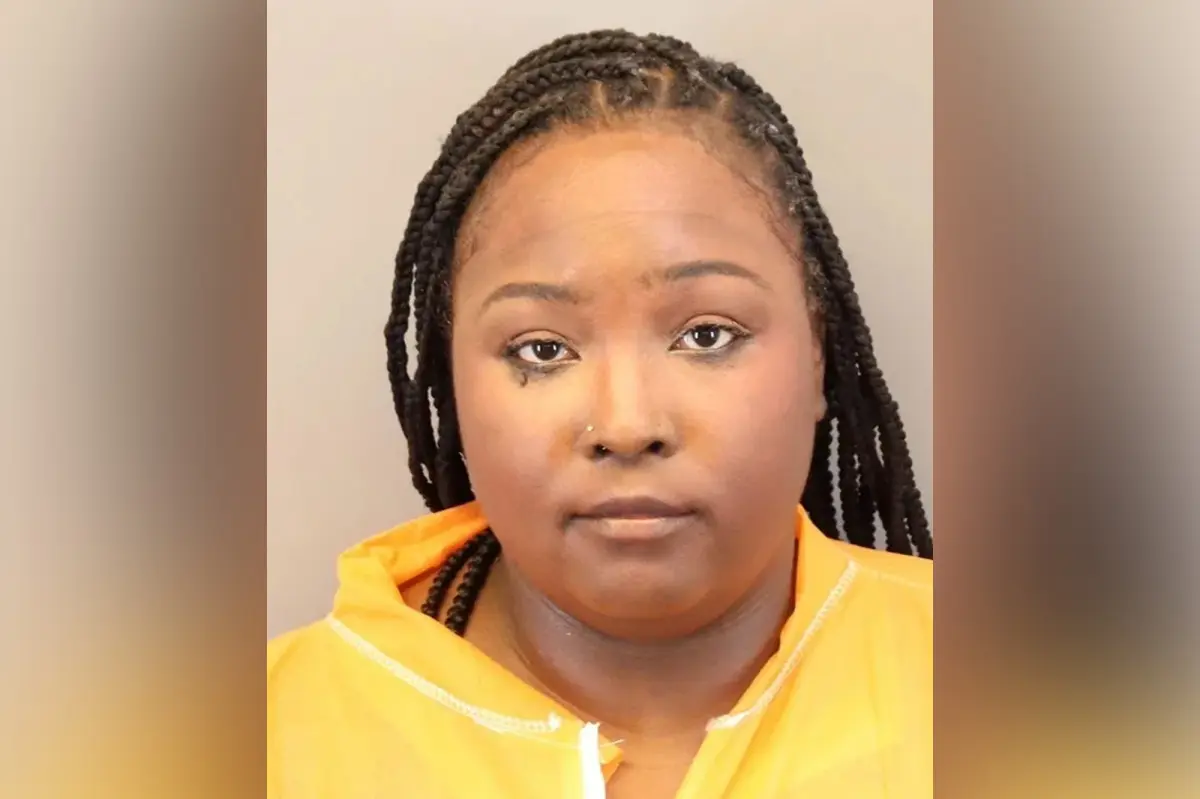
The relationship between a parent and their child is built upon a sacred, unwritten covenant of unconditional protection—a quiet promise that no matter how chaotic or threatening the outside world becomes, a parent’s arms will remain a safe harbor. For a four-year-old child, this bond is not merely emotional; it is a literal lifespring, as their entire survival, security, and physical well-being rest entirely in the hands of the adults who brought them into this world. In Southfield, Michigan, a bustling Detroit suburb, this fundamental safety net was tragically frayed, leaving a vulnerable little boy named Curtis to navigate a severe, life-threatening medical crisis without the primary advocate he desperately needed. The loss of a young child is always a jarring, deeply unnatural disruption of the human experience, but when that loss is paired with allegations of profound parental neglect, it leaves an entire community struggling with a heavy sense of collective grief and disbelief. Curtis’s brief life, which was cut tragically short in January of 2025, has become a somber, haunting reminder of what can happen when the vital duties of caregiving are abandoned, turning a treatable and preventable medical condition into an unimaginable family tragedy. It forces us to look past the cold, clinical headings of police reports and arrest records to find the human reality of a small boy who needed his mother’s protection more than anything else in the world, only to find himself dealing with a critical illness entirely on his own.
The heartbreaking timeline of this tragedy began to unfold just days before Curtis’s passing, highlighting a stark and devastating disconnect between medical expertise and raw caregiving responsibility. In late January 2025, young Curtis suffered a frightening series of seizures, a terrifying experience that would prompt any loving parent to seek immediate emergency medical care. Doctors and nursing staff at a local hospital sprang into action, successfully stabilizing the four-year-old and diagnosing the underlying neurological instability that threatened his life. Recognizing the high probability of recurrent, potentially fatal episodes, the medical team did what they are trained to do: they formulated a precise, life-saving treatment plan and prescribed a vital regimen of daily preventative medication designed to keep Curtis’s brain chemistry stable. However, rather than finding comfort and security in this medical lifeline, his 37-year-old mother, Latoya Washington, made the fateful, inexplicable decision to discharge her son from the facility against medical advice. The moment a parent signs “against medical advice” paperwork, they essentially step out from under the protective umbrella of modern healthcare, choosing to shoulder the colossal weight of their child’s survival alone. For reasons that remain deeply troubling, Washington allegedly believed that Curtis’s temporary improvement under the hospital’s care meant he was completely cured, choosing to walk away from both the physicians’ explicit warnings and the critical prescriptions they had written to keep her son alive.
What followed over the course of the next forty-eight hours was a quiet, domestic nightmare that unfolded behind closed doors, completely shielded from the watchful, protective eyes of doctors, nurses, or social workers. A child’s body is incredibly fragile, and when medication designed to control the chaotic electrical storms of a pediatric seizure disorder is withheld, the brain is left completely defenseless against its own malfunctioning pathways. For Curtis, the consequence of his mother’s alleged refusal to fill his prescriptions or administer his medicine was swift, devastating, and entirely predictable. On January 24, his small body began to seize once more, a terrifying ordeal wherein a child loses control of their motor functions, gasping for breath as their muscles contract violently and clear communication becomes impossible. Rather than rushing her son back to the pediatric emergency room or calling for an ambulance as his physical condition rapidly deteriorated, Washington allegedly allowed the illness to run its destructive course in silence. By January 25, the seizures returned with compounding intensity, systematically overwhelming the boy’s cardiovascular and neurological systems. The sheer isolation of Curtis’s suffering during those final hours is perhaps the most painful aspect of this entire tragedy; he was a child entirely reliant on the adults around him, unable to call for help himself, unable to access a pharmacy, and completely unable to articulate the extreme physiological danger he was facing as his body slowly gave up.
The terrible silence in the Southfield apartment was finally broken on the morning of January 25, 2025, when a desperate call was placed to emergency dispatchers reporting a child who had stopped breathing. First responders, paramedics, and local police officers rushed to the scene with heavy hearts, knowing that when a child’s airway is compromised, every passing second represents the difference between life and death. Upon entering the home, they were met with a sight that is the worst nightmare of every emergency worker: little Curtis, completely unconscious, cold, and unresponsive. Despite the chaotic atmosphere and the overwhelming gravity of the situation, the paramedic crews immediately initiated lifesaving measures, desperately trying to coax a heartbeat out of a tiny chest that had already endured hours of physical trauma. He was rushed under screaming sirens and flashing lights to a nearby hospital, where a team of emergency physicians stood ready to continue the frantic battle for his young life, but the damage inflicted by the unchecked, unmedicated seizures was far too severe to overcome. Shortly after arrival, Curtis was officially pronounced dead, leaving behind a sterile hospital room filled with defeated medical personnel who realized, with growing horror, that this young life could have easily been saved if the simple, prescribed preventative medication had been administered.
In the painful wake of Curtis’s preventable death, the machinery of the legal system began to turn, seeking accountability for a precious life that was cut far too short. Following a thorough investigation by local authorities into the events leading up to the tragedy, Southfield police arrested Latoya Washington, charging her with manslaughter for her alleged role in withholding her son’s life-saving medication and removing him from proper medical care. Washington was arraigned in the 46th District Court, where she stood before a judge to face the severe legal consequences of her actions, her face a stark contrast to the innocent life that was lost. The court, balancing the gravity of the criminal charges with standard legal processes, set her bond at $20,000—a sum she managed to post that same day, securing her release from custody under the strict condition that she wear a GPS monitoring device to track her movements. This legal proceeding, while necessary for the administration of justice, serves as a somber reminder of the limitations of our court systems; while the law can punish negligence and enforce boundaries, it can never restore the fragile life of the child who was lost. Southfield Police Chief Elvin Barren expressed the deep structural sorrow felt by his department, stating that Curtis’s death serves as a heartbreaking reminder of how utterly dependent children are on the adults in their lives, urging all parents and caregivers to respect medical guidance and act as fierce advocates for those who cannot speak for themselves.
As the community of Southfield prepares for Washington’s next scheduled court appearance on July 2, this tragic loss continues to spark a broader, necessary conversation about child welfare, parental accountability, and the social safety nets designed to protect the most vulnerable among us. This heartbreaking case forces us to confront uncomfortable questions about how society monitors families in crisis and how we can better intervene before medical neglect escalates to a fatal, irreversible conclusion. A child’s life should be defined by play, growth, learning, and the comforting assurance of safety, not by pain, physical neglect, and the terrifying experience of uncontrolled medical crises. The memory of four-year-old Curtis must be preserved not merely as a tragic statistic in a police file or a court folder, but as an urgent, living call to action for neighbors, teachers, medical professionals, and family members to remain vigilant and supportive of children in need. To truly honor Curtis’s memory, we must foster a culture where seeking medical help is never treated as optional, where the vulnerability of early childhood is treated with the utmost reverence, and where the collective responsibility of the community ensures that no child is ever left to suffer in silence behind closed doors.