





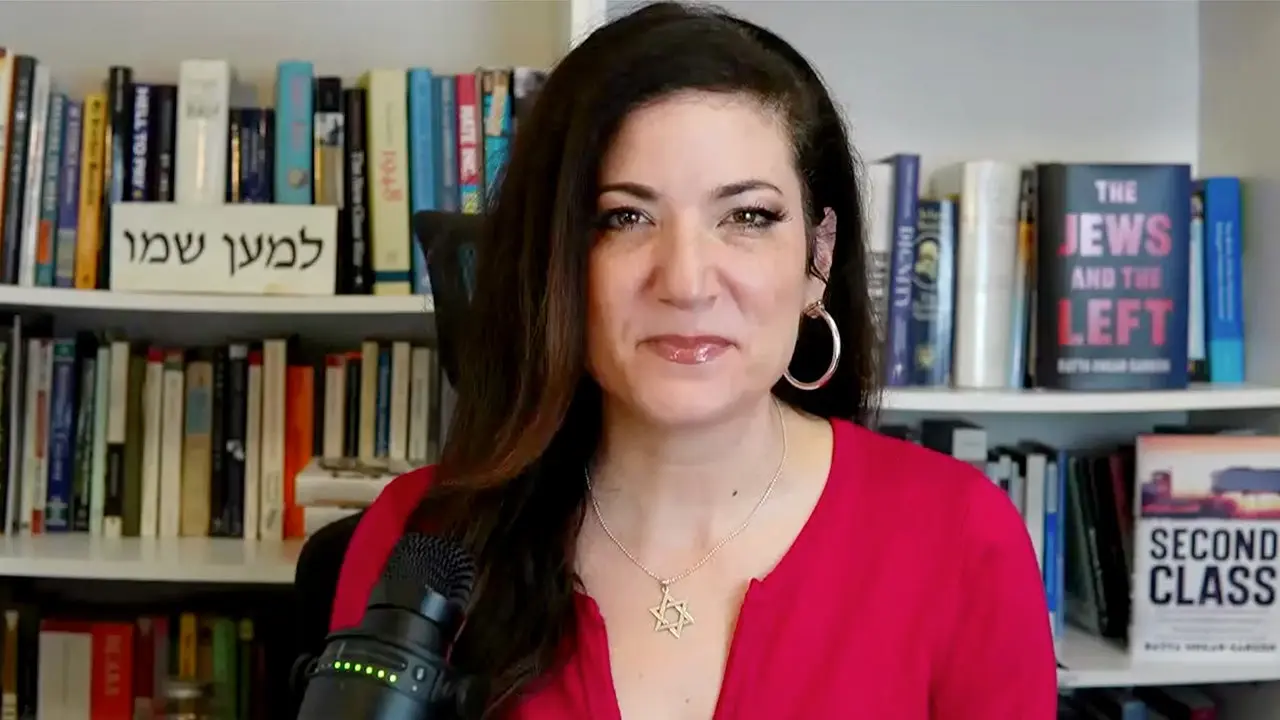
The landscape of American politics is undergoing a profound and deeply painful shift for the Jewish community, marked by a growing sense of political abandonment and emotional isolation. For decades, Jewish Americans were foundational pillars of progressive coalitions, marching side-by-side with marginalized groups during the civil rights movement and championing causes rooted in empathy and social justice. Yet, as journalist Batya Ungar-Sargon reveals, the aftermath of the October 7 tragedies has shattered these long-standing alliances, leaving many Jews feeling intellectually and politically homeless. When local and global Jewish communities looked to their historic progressive allies for empathy, support, and basic recognition of their shared humanity, they were met instead with cold indifference, silence, or open hostility. This sudden fracturing of political identity has left many caught in a distressing purgatory—unable to find solace on a left that increasingly alienates them, yet historically and culturally hesitant to fully embrace a conservative right that they have long viewed with skepticism.
In response to this rising tide of isolation, unexpected and vital alliances are forming across religious boundaries, demonstrating that humanity can still unite against ancient hatreds. In Jerusalem, global Christian leaders recently convened an emergency summit to confront the alarming spike in global antisemitism. This historic gathering was not merely a symbolic gesture of political alignment; it was a deep, theological reckoning. Christian leaders sought to dismantle the harmful “replacement theology” and deep-seated historical biases within the church that have historically fueled anti-Jewish sentiments. By actively addressing these theological roots, the summit aimed to deliver an unwavering declaration of faith and solidarity, demonstrating that the preservation of Jewish life and the defense of the state of Israel are fundamental moral obligations that transcend sectarian divides. This meeting underscores a powerful transformation where long-standing historical grievances are being set aside in favor of a unified spiritual front against prejudice.
However, the struggle for safety and acceptance is continually undermined by the erosion of trust in the very institutions sworn to protect vulnerable citizens. This structural vulnerability is starkly evident in the United Kingdom, where the National Association of Muslim Police has come under severe criticism over a deeply controversial policy paper promoted by a former vice president. The document, which went so far as to label the Israeli Defense Forces a terrorist organization, sought to bind Zionism directly to anti-Muslim hatred while casting doubt on verified reports of Hamas atrocities from October 7. When law enforcement personnel—charged with maintaining neutrality, public safety, and domestic harmony—disseminate conspiracy theories and biased political rhetoric, it compromises the safety and trust of Jewish citizens who rely on these protective bodies. The resulting outcry highlight an urgent need for accountability, demanding a painful but necessary examination of deep-seated biases within public systems of law.
This institutional erosion is accompanied by a rise in homegrown radicalization and violent domestic extremism, particularly within spaces historically dedicated to education and intellectual debate. In Michigan, federal authorities recently unveiled a sweeping indictment against eight anti-Israel extremists who engaged in a terrifying campaign of intimidation and domestic terror. These individuals did not stop at peaceful protest; instead, they orchestrated plots involving bombs and chemical attacks, targeted university administrators, local businesses, and law enforcement, and vandalized personal homes with Hamas iconography to force institutional divestment from Israel. Fearing that these suspects would flee, the FBI executed a swift, coordinated sweep to neutralize the cell. This chilling escalation highlights how easily radical political ideologies can morph into active, violent extremism, transforming peaceful centers of learning into hostile environments where safety is compromised and the rule of law is actively threatened.
Amid these high-level political and structural battles, the most vulnerable victims of this cultural shift are often the youngest: Jewish teenagers navigating their daily school environments. Rabbi Micah Greenland, the international director of NCSY, emphasizes that while high-profile awareness efforts like Super Bowl advertisements are valuable for raising public awareness, they are far from sufficient in addressing the daily, lived realities of young people. Today, Jewish youth are facing unprecedented social isolation, microaggressions, and overt hostility in their classrooms and on their social media feeds. To help these teenagers navigate these harsh environments, they need direct, sustained support systems. They require educational resources, robust community spaces, reliable allies, and active mentorship to help them build resilience, process their anxieties, and ultimately remain proud of their heritage in a world that often demands they hide it.
Ultimately, these narratives underscore that the fight against antisemitism is not a partisan issue, but a fundamental test of collective human decency. As former Auburn University basketball coach Bruce Pearl rightly emphasizes, speaking out against antisemitism and standing in solidarity with Israel should never be reduced to a political talking point. It is a baseline moral responsibility. The road ahead requires a rejection of tribal politics and a return to genuine empathy. Whether through the courage of unexpected interfaith allies, the pursuit of structural accountability in public safety, the enforcement of laws against violent extremism, or the quiet, steady support of the next generation, the path forward must be paved with moral clarity. In a fragmenting world, the ultimate goal must be to ensure that no community is forced to stand alone, and that the promise of safety, dignity, and mutual respect is extended to all.