


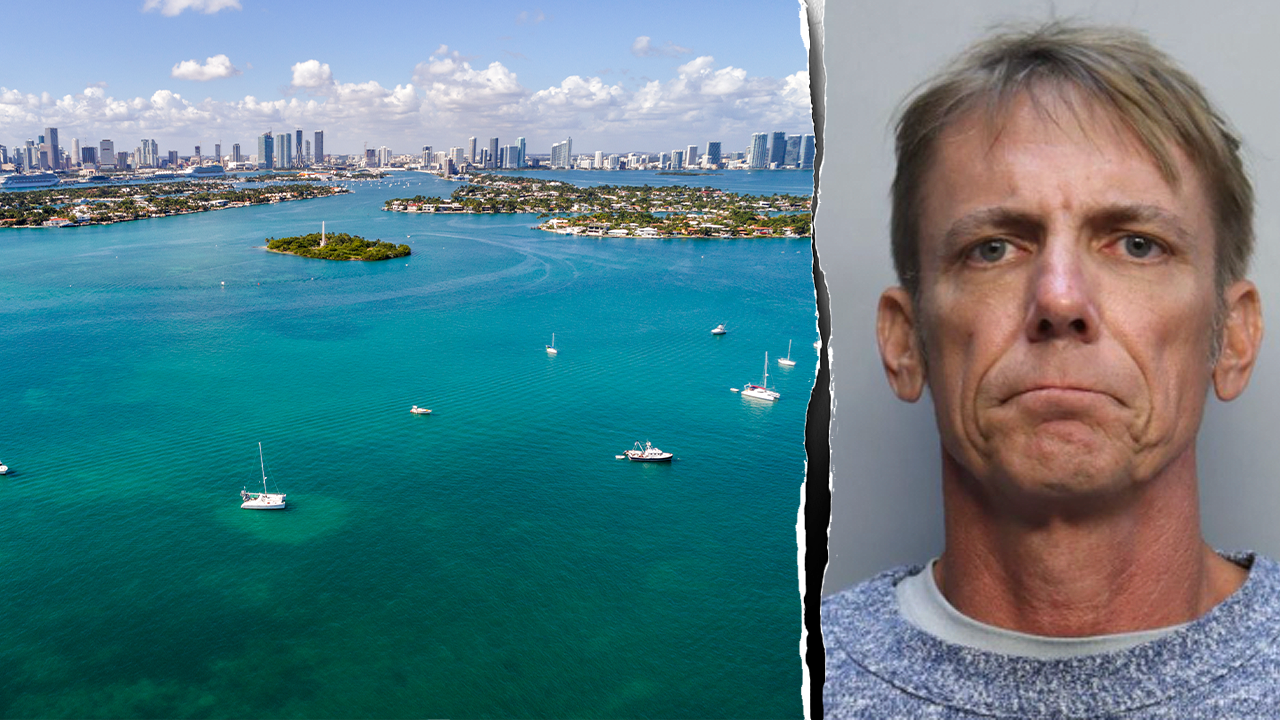
Florida’s annual lobster mini-season is widely celebrated as a sun-drenched, high-energy festival that draws thousands of eager divers, families, and ocean enthusiasts to the state’s warm, turquoise waters in a lighthearted rush to harvest the ocean’s bounty. For thirty-six hours, the coastlines become a bustling playground of boats, snorkels, and laughter; however, beneath this festive surface lies an intense, sometimes boiling rivalry as hobbyists and seasoned watermen compete fiercely for the most lucrative underwater reefs. On a seemingly perfect summer morning, just after seven o’clock on July 29, this competitive fever allegedly took a dark, terrifying, and deeply human turn just a half-mile east of the exclusive enclave of Fisher Island. What should have been a memorable day of diving and family bonding transformed into a high-stakes maritime standoff, highlighting how easily tempers can flare when territorial instincts override basic safety and human empathy on the open water. This particular confrontation, emerging from the depths of a disputed lobster reef, would soon escalate from shouting matches to a life-threatening underwater emergency, landing one veteran diver in a jail cell on attempted murder charges and leaving a community shocked by the extreme lengths to which someone would go to defend “their” patch of ocean.
The conflict began to unfold on the water when 51-year-old Michael Joseph Simpson allegedly approached another vessel at a dangerously high rate of speed, circling the boat multiple times in an aggressive display of intimidation before anchoring his own craft a mere ten feet away—an incredibly close and hazardous distance for vessels operating in open chop. According to investigators and witness reports, Simpson was furious, claiming with intense hostility that the group had anchored directly over his personal lobster diving territory. Tensions escalated rapidly as Simpson allegedly warned the divers that a much larger boat was on its way to push them out of the spot, which did indeed arrive shortly thereafter, further crowding the small patch of ocean. The situation turned critical when Simpson allegedly directed his anger toward an 18-year-old diver who was already submerged beneath the waves, searching the seabed for lobsters while relying entirely on a surface-supplied air system, commonly known as a “Brownie’s Third Lung,” to breathe. In an act of unfathomable hostility that stunned onlookers, Simpson reportedly threatened to shut down the compressor unit, ignoring the frantic, terrified, and profane pleas of the youth’s companions on board, who desperately screamed that they had a vulnerable diver down below.
Despite the warnings and the obvious mortal danger to the young man breathing beneath the waves, investigators allege that Simpson leaped into the ocean and intentionally deactivated the air compressor unit, instantly cutting off the teenager’s lifeline to the surface. Submerged in the deep blue, the 18-year-old was suddenly plunged into an underwater nightmare, his air supply vanishing without warning as his lungs gasped against empty hoses in a state of sudden, suffocating panic. Above water, the scene was pure chaos as witnesses screamed in terror; realizing the gravity of the situation, the owner of the victim’s boat dove into the water without hesitation, swimming down to rescue the struggling teenager and pull him back to the surface before he could drown. When the young diver finally broke the water’s edge, he was visibly disoriented, gasping desperately for oxygen, and deeply shaken by the sudden, inexplicable loss of air, though miraculously he did not suffer permanent physical injuries. Simpson allegedly departed the immediate scene before law enforcement could arrive, leaving behind a traumatized crew and a rapidly unfolding criminal investigation that would soon draw the attention of state wildlife officers and local police.
The legal fallout from the incident was swift and severe, culminating in Simpson voluntarily surrendering to authorities at the Turner Guilford Knight Correctional Center in Miami-Dade County, where he was formally booked on a grave charge of attempted murder. This heavy charge reflects the incredibly dangerous nature of tampering with life-support equipment, an act that maritime and diving experts consider tantamount to a death sentence in an environment where humans cannot survive on their own. Simpson was held on a ten-thousand-dollar bond as the public and local media grappled with the shocking details of how a simple recreational dispute could escalate to the level of attempted homicide. The arrest sent shockwaves through the local diving community, serving as a sobering reminder of the physical dangers inherent to the sport and the legal consequences of letting anger dictate behavior in an environment where human life is entirely dependent on technology.
However, as with many high-seas disputes, there is another deeply contrasting side to this harrowing tale, vigorously put forward by Simpson’s defense attorney, Howard Srebnick, who strongly denies the narrative presented by the prosecution. Srebnick argues that law enforcement rushed to judgment, ignoring critical physical evidence and eyewitness testimony that paints a completely different picture of the morning’s events. According to the defense, Simpson was on the water to enjoy a peaceful day of diving with his own friends and his two young children, and he never touched, let alone disabled, anyone else’s breathing equipment. Furthermore, the defense claims to possess video footage demonstrating that the accusers’ air hose actually became entangled in their own “Brownie’s Third Lung” system while Simpson was nowhere near the apparatus, suggesting the loss of air was an accidental result of the accusers’ own negligence or panic rather than a malicious act of sabotage.
Srebnick also disputed the accusation that Simpson fled the scene of the crime, clarifying that his client merely idled his boat a short distance away to prevent further verbal hostilities and immediately cooperated with the responding Florida Fish and Wildlife Conservation Commission officers to give his statement. The defense attorney expressed deep frustration with the Miami-Dade Sheriff’s Office, accusing them of failing to interview numerous exculpatory witnesses on adjacent boats who corroborated Simpson’s innocence before making the arrest. As the legal battle looms, Simpson’s defense team remains highly optimistic that once the State Attorney’s Office reviews the video evidence and conducts a thorough investigation of all eyewitnesses, the attempted murder charges will be dropped entirely. Ultimately, this incident highlights the fragile line between recreation and tragedy on the water, leaving a man fighting to clear his name and salvage a reputation built over a lifetime, while the diving community awaits a resolution to this underwater mystery.