




The vast oceans that connect our global economy are immense, lonely spaces where massive commercial transport vessels carry the indispensable lifeblood of modern commerce under various international flags of convenience, operating far removed from the watchful eyes of land-based society. Within this floating world of steel, the line between honest labor and transnational crime often blurs in ways both invisible and terrifying to the average observer. Such was the dramatic, high-stakes case aboard the giant Motor Tanker Aquatravesia, a Greek-owned, Liberian-flagged crude oil tanker that recently embarked on what was supposed to be a routine journey from the coastal waters of Ecuador directly toward the bustling, sun-drenched ports of Southern California. For the many merchant mariners stationed aboard, this rigorous life is defined by endless watches, the deafening thrum of massive diesel engines, and isolation from their families. Among this hardworking crew was Ceasar Tubay Gelacio Jr., a forty-three-year-old merchant seaman hailing from the Philippines, whose ordinary life as an international seafarer would soon be completely and irrevocably derailed during this fateful Pacific voyage. Far from being just another anonymous, hardworking face in the complex gears of the global shipping machine, Gelacio would find himself cast into the very center of a high-stakes federal investigation, accused of serving as a vital, direct link for a ruthless Mexican drug cartel seeking to smuggle millions of dollars in narcotics into the United States of America. This maritime journey, which began under the guise of peaceful, routine energy trade, quickly transformed into a tense, real-life thriller, highlighting the profound vulnerability of the ordinary crew members who man these giant vessels. As the tanker plowed through the deep, unforgiving ocean waves of the eastern Pacific, it carried not only its legal cargo of crude oil but also a hidden payload of devastating temptation and dark danger. Ultimately, the quiet routine aboard masked a terrifying, brewing storm that would collide with American law enforcement, forever altering destinies and exposing the reach of organized crime into the high seas.
The fragile, hard-earned illusion of everyday normalcy aboard the Motor Tanker Aquatravesia shattered in an instant when diligent members of the ship’s crew made a startling and deeply troubling discovery during their routine maintenance rounds. Hidden away in the dusty, neglected corners of the vessel’s garbage room, which served as a mundane space where waste is processed and stored before reaching port, were numerous mysterious, tightly wrapped packages that immediately aroused intense suspicion. In the highly regulated, safety-conscious environment of a modern merchant vessel, the unexpected presence of unauthorized, hidden cargo is a very severe cause for panic, signaling a catastrophic, dangerous breach of security. The crew immediately alerted the vessel’s captain, who suddenly found himself thrust into an incredibly dangerous and delicate situation with human lives hanging in the balance. Recognizing the severe global implications of what appeared to be illicit narcotics, the brave captain initiated a quiet, careful, and systematic internal investigation, interviewing crew members in an attempt to identify the source of the contraband before the ship entered more heavily patrolled waters. These tense, secretive interviews eventually pointed directly to Gelacio as the individual allegedly responsible for bringing the illicit packages on board while the ship was docked down in South American Ecuador. In a desperate, brave bid to maintain order, protect his vulnerable crew, and secure his ship from immediate catastrophe, the captain made the executive decision to confiscate the suspicious bundles, relocating all five hundred pounds of the dangerous white powder, which was later officially confirmed to be high-purity cocaine with an estimated street value of 6.4 million dollars, deep into a highly secure, locked area on another part of the vessel. The commercial voyage grew heavier by the hour as the captain and his crew realized they were quite literally floating on a massive cartel fortune, knowing they had nowhere to hide. Each wave became a stark reminder of their precarious situation, trapped hopelessly between international maritime law and the lawless, ruthless demands of violent, dangerous cartels.
As the massive Aquatravesia slowly continued its journey north through the warm, hazardous territorial waters off the coast of Mexico, the intense danger shifted dramatically from internal suspicion to a terrifying external threat of mortal violence. The true, alarming depth of the conspiracy began to unfold as the ship’s communication systems crackled to life with chilling, persistent radio transmissions from members of an aggressive Mexican drug cartel. Investigators would later reveal in official court affidavits that the cartel had formulated a meticulous, highly coordinated plan to retrieve their valuable cargo before the vessel could reach the heavily secured waters of the United States of America. While the ship was navigating Mexican waters, the ship’s captain was reportedly contacted and informed that heavily armed cartel operatives would be waiting in small, fast-moving vessels roughly eighty nautical miles offshore during the quiet, dark hours of late May 14 and the early morning of May 15, 2024, expecting the immediate transfer of the five hundred pounds of cocaine. If the delivery did not occur as scheduled, the menacing message was clear: additional cartel boats were fully prepared to actively intercept, board, and seize the massive crude oil tanker within Mexican territorial waters to forcibly reclaim their contraband. For the terrified crew, the dark threat of an armed, violent maritime hijacking by a ruthless syndicate was extremely harrowing, exposing the absolute vulnerability of unarmed civilian merchant sailors operating daily in dangerous transit corridors. The vast emptiness of the ocean, which usually offers a peaceful sense of freedom, suddenly felt like an inescapable trap, where professional help was hours away and the ocean surface was haunted by the searchlights of approaching narco-boats. The repetitive radio calls served as a continuous, menacing reminder that their lives had been commodified, caught directly in the crossfire of a transnational drug pipeline that viewed a multi-ton commercial tanker as nothing more than a convenient, disposable vehicle for their illicit, highly lucrative international enterprise, showcasing the sheer disregard of criminals for innocent human safety.
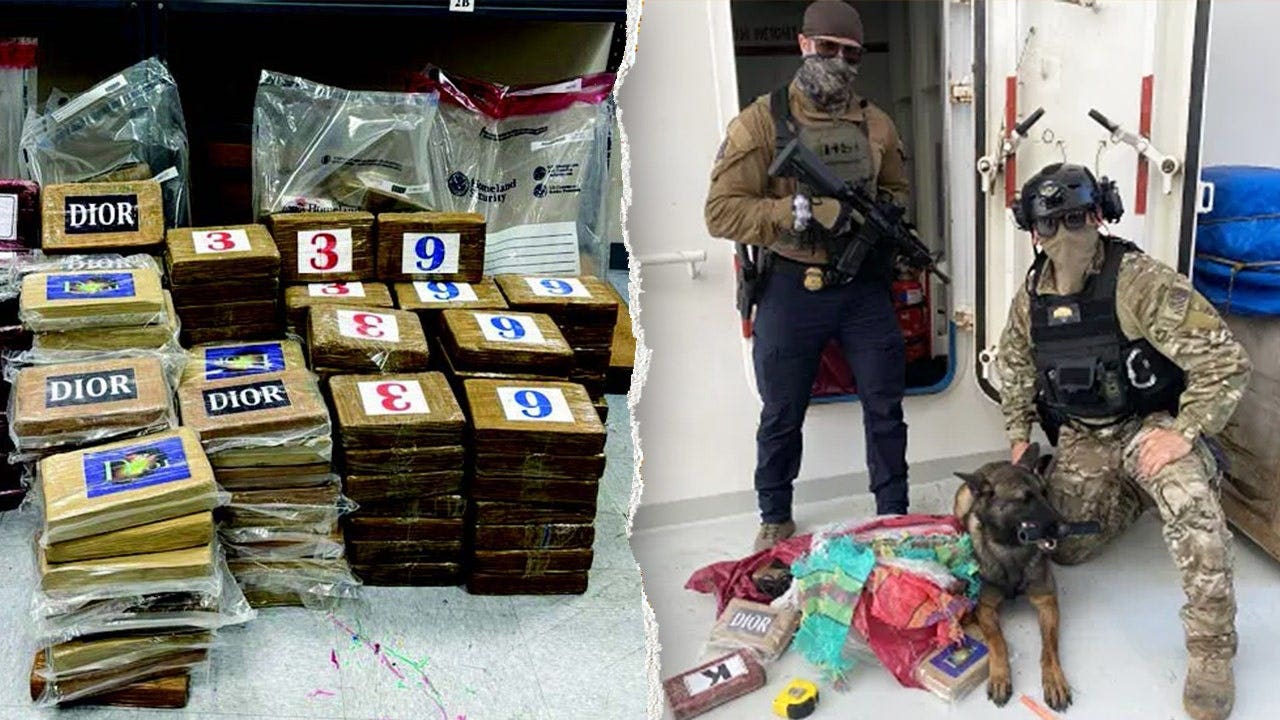
Navigating this incredibly treacherous path with extreme caution under the cover of darkness, the ship’s brave command stayed in constant communication with international maritime safety agencies, prompting vigilant United States federal authorities to quickly formulate a highly strategic, protective intervention specifically designed to protect the fragile lives of the crew while ensuring the safe delivery of the legitimate commercial energy supplies, rather than attempting a dangerous open-sea capture. Upon arrival at the bustling outer harbor, a heavily armed joint task force of Homeland Security Investigations and the United States Coast Guard executed a rapid tactical boarding, instantly shifting the power dynamic of the vessel back to the side of federal law. The physical search of the massive vessel was aided significantly by an incredibly talented, highly trained Coast Guard multi-purpose narcotics detection canine, whose keen, highly reliable, and sharp senses guided investigators directly to the hidden cache of cocaine, confirming the presence of over two hundred and twenty-six kilograms of high-grade contraband. Special Agent in Charge Eddy Wang of the HSI Los Angeles office later expressed profound professional and personal gratitude for the swift response of his team, speaking passionately in an official statement. He emphasized that their collective investigative expertise and rapid actions were absolutely instrumental in successfully identifying, locating, and seizing this massive, highly dangerous shipment of illegal drugs before it could ever reach vulnerable local communities and tear families apart. United States Coast Guard Sector Commander Captain Stacey Crecy warmly echoed these sentiments, highlighting the seamless, stellar coordination required between multiple government agencies to safely detain the suspect, dismantle the smuggling operation, and secure the maritime transportation system. For the exhausted crew, the sight of federal agents and the reassuring presence of American law enforcement marked the end of an agonizing ordeal, transforming their vessel from a hijacked target back into a functioning, safe hub of global commerce, allowing honest mariners to finally breathe a deep sigh of relief, secure in the knowledge that they were finally protected under the shield of justice.
At the epicenter of this dramatic maritime interception stands Ceasar Tubay Gelacio Jr., whose journey from the beautiful coastal shores of the tropical Philippines to a cold federal holding cell in California serves as a stark, deeply sobering example of the human wreckage left in the wake of the global drug trade. Charged officially with the importation of a controlled substance by the United States Attorney’s Office for the Central District of California, the forty-three-year-old Gelacio now faces the grim prospect of a maximum sentence of life in an American federal prison, representing a devastating, life-altering departure from the career of a merchant mariner. While the American court of law will ultimately decide his legal guilt or innocence, his tragic story humanizes the quiet desperation that so often fuels these international smuggling operations, where ordinary seafarers from developing nations, struggling to support impoverished families back home, are targeted, manipulated, or blackmailed by wealthy criminal syndicates into taking incredibly dangerous, completely unfathomable risks of smuggling on the wind swept high seas. The Department of Homeland Security also took two other unnamed individuals into custody in connection with the smuggling attempt, signaling that the network of complicities aboard the vessel ran deeper than a single rogue crew member, painting a terrifyingly complex, dark picture of organized infiltration that actively exploited the crew’s structural vulnerabilities. For these three desperate, isolated criminal defendants, the glittering, false promise of quick cartel payouts has completely dissolved into the stark, sterile reality of complex legal procedures, heavy iron bars, and the devastating pain of indefinite separation from their innocent, waiting loved ones across the vast globe. This high-profile case stands as a tragic, modern reminder that behind each and every single multi-million-dollar illicit drug seizure proudly reported by international media outlets, there are human lives shattered, families torn apart, and desperate individuals who allowed themselves to be used as disposable, minor pawns in a highly profitable, deeply destructive global criminal enterprise that cares nothing for their individual survival, human well-being, or future.
The dramatic seizure aboard the Motor Tanker Aquatravesia is not an isolated incident, but rather a compelling, urgent case study in an ongoing, largely invisible war waged across the world’s shipping lanes, where the systemic vulnerabilities of modern global logistics are constantly exploited by transnational drug cartels, which relentlessly threaten the security of international trade routes. As commercial shipping networks grow increasingly complex, heavily automated, and dependent on international labor, criminal organizations rely heavily on the anonymity of massive cargo liners, using the very systems that feed and power the world to distribute their toxic, illegal products to eager, highly demanding consumer markets. Yet, beyond the impressive, sterile statistics of seized drugs and the triumphant declarations of public officials, the true narrative remains a deeply human one, focusing on the critical, overdue need to protect the safety, dignity, and occupational integrity of the global seafaring community, whose tireless efforts are often overshadowed by massive corporate interests. Merchant mariners are undoubtedly the unsung, essential heroes of modern daily life, delivering crucial fuel and resources while enduring long months of intense isolation, extreme weather, and grueling physical labor to ensure that basic goods flow freely across international borders, and they deserve to work without the looming, terrifying threat of cartel coercion or physical violence on the high seas. This successful, highly coordinated operation by U.S. authorities serves as both an incredibly powerful deterrent to violent criminal syndicates and a reassuring promise of protection for the vulnerable workers who keep our global supply chains moving forward. As the American legal system begins its slow, methodical process in the Southern California courts, the global maritime community is left to contemplate the fragile, vulnerable state of security at sea, hoping that increased vigilance, stronger international cooperation, and a deeper appreciation for the human element of shipping will safeguard our beautiful, shared global oceans from becoming lawless conduits of crime, ensuring that the long journey home remains safe, predictable, secure, and honorable for every dedicated and brave merchant sailor.