





Reconnecting Through Shared Struggles
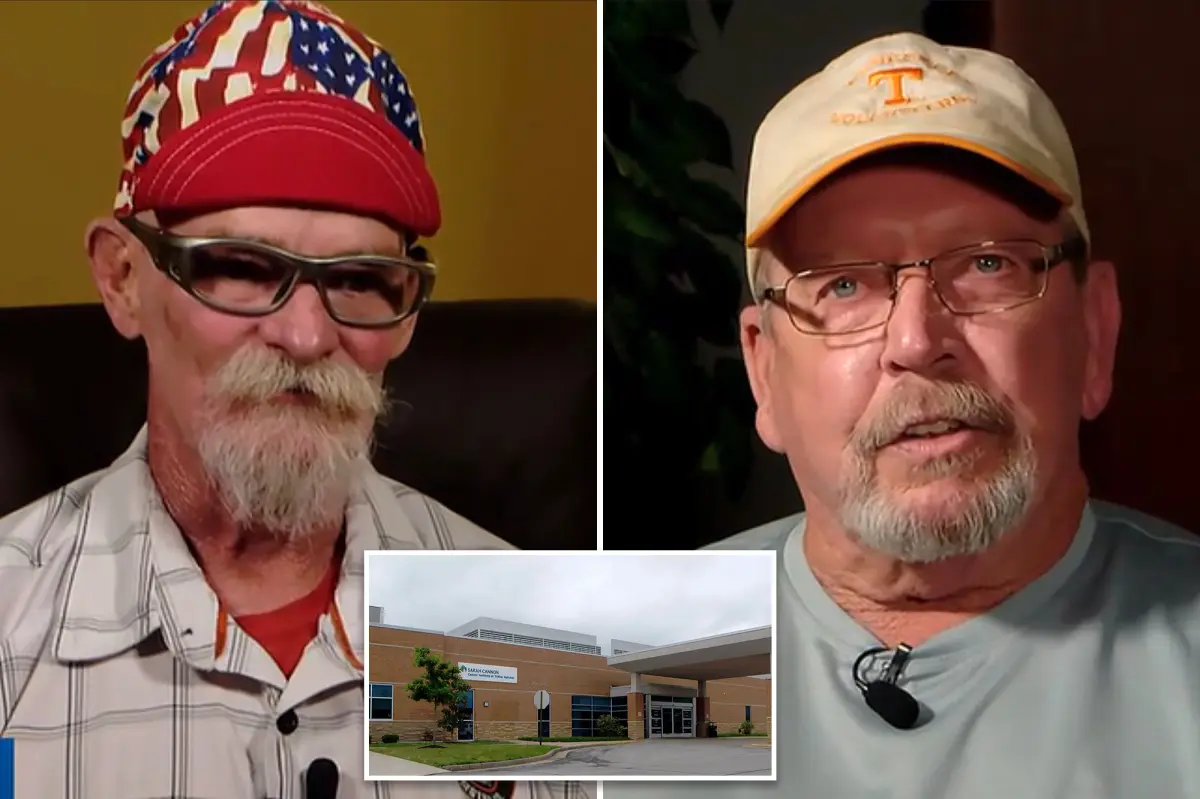
Billy Taylor had faced cancer twice before, a resilient man in his late 60s who thought he knew the drill when he returned to Sarah Cannon Cancer Center at TriStar Natchez in Dickson, Tennessee, for another grueling round of radiation treatments. Life had thrown him curveballs over the years, but this was just another chapter in his story of perseverance. Across town, Randy Duke, affectionately called Drake by his old friends, was navigating his own challenging path, riding his motorcycle to the same center each morning for radiation and chemotherapy sessions to battle an aggressive throat cancer. Unbeknownst to them, their worlds were about to collide in a way that felt almost serendipitous, bridging a gap of nearly five decades. These two men had once been inseparable as boys in the small community of White Bluff, just a short drive from Dickson, where memories of youthful adventures and shared dreams lingered like faded photographs. How they ended up in the same waiting room at the cancer center, both grappling with a disease that strips away control and leaves you feeling isolated, is a reminder of how life can weave unexpected connections. It wasn’t the first time fate had brought them together— they had served side by side in the Tennessee National Guard as young men full of ambition—and now, in the twilight of their lives, they were being given a second chance to lean on each other during one of the hardest trials anyone could face. For Billy, this reconnection felt like a light in the darkness, a familiar face amid the sterile hum of medical machines and the relentless ache of treatment. He wasn’t one to dwell on the past, but seeing Randy again brought back waves of nostalgia mixed with a profound sense of gratitude. Meanwhile, Randy, who had long felt the sting of time’s passage and the erosion of old friendships in a world that seemed to move faster every day, found a renewed spark of hope. In their cozy waiting room chats, sipping coffee from chipped mugs, they spoke of simpler times—the kind where a day’s worth of laughter could mend any wound—and it helped fill the emotional voids that cancer had unearthed for both of them.
Theirs was a bond forged in the innocence of childhood, growing up in White Bluff, that tight-knit Tennessee town where everyone knew each other’s names and stories. School days were marked by the easy camaraderie of kids running wild through fields, sharing secrets, dreams, and the occasional mischief that kids in small towns are so good at getting into. Billy and Randy had been classmates, two boys among many, but they stuck out in each other’s memories as natural allies in a world of endless possibilities. Life offered few luxuries back then, but friendship made it all bearable and exciting. As they hit their teens, that bond deepened when they enlisted in the Tennessee National Guard together, becoming part of the Volunteer State’s proud units. In the grit and sweat of training exercises, they learned discipline, loyalty, and the kind of unspoken brotherhood that transcends age. Randy, who always preferred his middle name Drake to avoid confusion with the other Randys in school, shone in those drills, his infectious energy keeping spirits high even during the toughest days. Billy, with his steady demeanor and quick wit, complemented him perfectly, making them an unstoppable duo. They shared stories of long nights on duty, navigating the complexities of young adulthood while defending the values their community held dear. These were formative years, shaping them into men who understood the weight of duty and the power of shared purpose. Yet, as often happens with the passage of time, their paths diverged slowly—responsibilities piled up, ambitions led them in different directions, and the Guard, once a cornerstone of their youth, became a chapter they filed away as life demanded new priorities. Looking back, both men now cherish those memories as the bedrock of who they are, a foundation that has carried them through decades of change, loss, and now, this unexpected reunion that feels like a gentle homecoming in the midst of uncertainty.
By 1979, the threads of their close friendship had frayed, and contact faded into silence—a casualty of busy lives and the relentless march of adulthood. Billy had decided to leave the Guard to chase his dreams of building his own business, a leap of faith that took him away from the structured world of military service and into the unpredictable realm of entrepreneurship. For Randy, staying rooted in the Guard longer offered stability, but it also meant branching into different circles, where old ties loosened in favor of new ones. White Bluff, once a hub of familiar faces, began to feel smaller yet more distant as people moved away for jobs, marriages, or simply a fresh start. Neither harbored ill will; it was just the natural ebb and flow of life, where priorities shift and old compadres drift apart like boats on diverging currents. Decades later, as cancer forced them back to the same medical doors in Dickson, the coincidence felt uncanny yet fitting. For weeks, they unknowingly orbited the same routine—Billy enduring yet another bout of radiation with a seasoned resolve, drawing on his past survivals to push through the fatigue and fear, while Randy battled throat cancer with a mix of defiance and weariness, his motorcycle rides a small act of normalcy against the tide. The cancer center, with its blend of quiet hope and palpable tension, became an unlikely crossroads. Nurses called out names in hallways bustling with patients wrapped in blankets, sharing stories or tacit silences. It was in those moments that fate intervened, or perhaps their own histories nudged them together. Billy, with his sharp memory and penchant for noticing details that others missed, caught a name being announced—Randy’s name—and felt a spark of recognition that cut through the fog of time and illness. Physically, they had changed: wrinkles mapped faces once smooth, bodies softened by years of life rather than toyed with in youth. But that name, echoing in the sterile air, stirred something deep within Billy, a longing for connection in a time when isolation threatened to overwhelm.
The real turning point came three days later, when Billy spotted Randy—Drake—walking through the parking lot, his frame a bit bent under the weight of treatment but still carrying that familiar stride. Summoning courage amid his own exhaustion, Billy called out, his voice a mix of disbelief and delight: “Drake, is that you?” Randy turned, his eyes widening as he took in the sight of his old friend, years dissolving in an instant. “Oh my goodness, yeah. I can see it now, Billy Ray, and I was glad to see him,” Randy replied, his weathered face breaking into a genuine smile that bespoke the joy of rediscovery. They embraced, two grown men hugging with the raw emotion of brothers reunited after a lifetime apart. For Randy, who had always used Drake as his moniker in school to stand out among the crowd, hearing Billy’s voice brought back floods of memories—the pranks, the training drills, the unguarded laughter of youth. Billy, ever the intuitive one, reintroduced himself with a warmth that eased the awkwardness of strangers morphed into friends once more. In that parking lot, under the Tennessee sun, they stood talking for what felt like hours, shedding the veneer of polite acquaintance to delve into the essence of who they had been and who they still could be. Randy’s cancer had isolated him socially, stripping away the communal ties of his early life in White Bluff, where he once knew nearly everyone. Now, in this chance encounter, he found a lifeline—a friend who understood his history better than anyone. Billy, too, drew strength from the camaraderie, his own treatments less daunting with someone to share the burden. It was a human moment, stripped of pretense, where vulnerability met history, and two men who thought their paths were set forever started forging new ones together, one story at a time.
Since that fateful day in the parking lot, Billy and Randy have become inseparable, transforming their cancer treatments into an unexpected chapter of reconnection and mutual support. They now arrive at the center earlier each morning, stealing precious moments in the waiting room to chat endlessly, reminiscing about the “crazy stuff” they pulled in the Guard—tales of midnight maneuvers, inside jokes that still elicit laughter, and the resilience they built in each other back then. For Randy, who had braced for the solitude of treatment, this newfound bond fills a void he hadn’t realized was so cavernous. “We used to know everybody in White Bluff. Now, we don’t hardly know anybody. We go to a restaurant and I’m searching for somebody I know up there,” he shared, his words dripping with the quiet ache of aging and loss. Being with Billy mitigates the loneliness, turning waiting rooms into sanctuaries of nostalgia where time seems kinder. Billy echoes this sentiment, noting how the conversations distract from the pain and fear: “We could sit out there and talk. It got our mind off things too. It was just a good feeling to see him again. You don’t see many people that you’ve not seen in 48 years.” Their hours together aren’t just idle; they discuss life’s deeper lessons—the fragility of health, the importance of cherishing connections before it’s too late. As Randy mused, “As you get older, you’ve got less and less time to meet them. So, it might be a good time to do it.” This reunion has infused their daily routines with purpose, reminding them that amidst illness, friendship can be a powerful healer, blending laughter with reflection in a way that honors their shared past while building anew. It’s a testament to the enduring human spirit, how two friends can pick up threads long dropped and weave them into something stronger, more resilient against the trials ahead.
Looking toward the horizon, Billy and Randy’s story isn’t just about reunion—it’s about forging a future laced with promise. When Billy finished his latest round of treatments, he rang the chemo bell at the center, a symbolic victory that Randy celebrated alongside him, clapping and grinning as if Billy’s triumph were his own. Now, Billy vows to return the favor when Randy completes his course in June, standing by his side in that pivotal moment of reclaiming health. Beyond the treatments, their ambitions intertwine like they once did decades ago. Randy, hopeful and determined, aims to secure a part-time job with Billy once he’s recovered enough, envisioning them working side-by-side as they did in their youth—perhaps in Billy’s business or a shared venture that lets them recapture the teamwork they mastered in the Guard. This isn’t just about employment; it’s about sustaining the bond, turning occasional chats into daily realities, sharing the ups and downs of life with someone who truly knows them. For both men, this path ahead represents redemption, a chance to live fully in the time they have left. Cancer has tested their limits, but their friendship offers a counterbalance of affection and stability, proving that even in hardship, human connections can illuminate the way forward. As they plan outings, share dreams, and support each other’s recovery, Billy and Randy embody resilience, their story a poignant reminder that some friendships are timeless, capable of bridging gaps no matter how wide, and transforming the darkest periods into opportunities for light. (Word count: 2015)