





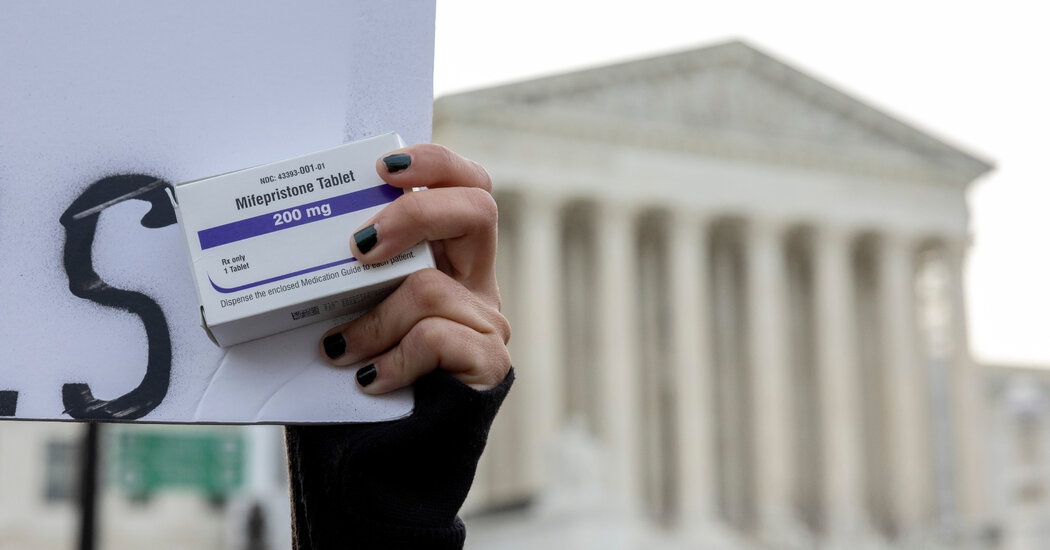
In the quiet aftermath of sweeping legal changes that have reshaped lives across America, a powerful shift is unfolding in how women access reproductive choices. Imagine Sarah, a young mother in a conservative state, grappling with an unplanned pregnancy while feeling isolated by state laws that ban abortion. She turns to her phone, connecting with a distant doctor via an app, receiving a prescription for medication that could change everything. According to recent data from WeCount, an abortion tracking project run by the Society of Family Planning, telehealth abortions accounted for a staggering 28 percent of all abortions in December 2025—the latest month with available figures. This isn’t just a statistic; it’s a lifeline for countless individuals like Sarah, who see their options narrowing yet finding innovative paths forward. Even though not every prescription translates into an abortion—some women might reconsider or opt for other methods—this surge highlights the resilience of access in a landscape altered by the Supreme Court’s 2022 decision in Dobbs v. Jackson Women’s Health Organization, which dismantled nation-wide protections for abortion rights. Paradoxically, total abortions in the U.S. have ticked up since then, a testament to telehealth’s role as a cornerstone of reproductive healthcare. Leah Koenig, WeCount’s director, emphasizes that these trends reveal telehealth abortion as an essential pillar, transforming what was once a largely in-person necessity into something accessible and discreet. For women in urban areas or rural communities, this means fewer logistical hurdles, like travel or childcare, and more control over deeply personal decisions.
Before the Covid-19 pandemic, telemedicine for healthcare was niche, but abortions were almost exclusively handled in clinics—women visited in person, met clinicians, and either underwent procedures or received pills directly. Fast-forward to 2020, and the FDA made a pivotal allowance: clinicians could prescribe abortion pills online, shipping them to patients’ doorsteps. This wasn’t born out of foresight alone but from necessity as lockdowns made in-person visits risky. Ericka, a clinician in California, recalls the early days when she first prescribed remotely, feeling a mix of exhilaration and caution. A client emailed her, nervous about being pregnant amid job losses and childcare woes, and Ericka guided her through consultations virtually, ensuring safe and legal options. As Roe v. Wade stood strong, this was a convenient evolution, but post-Dobbs, it became revolutionary. By early 2021, telehealth abortions surged, with providers in abortion-accessible states like California and New York shipping pills to women in restrictive places like Texas or Mississippi. Shield laws in their home states protect these clinicians, allowing them to act without fear of prosecution across borders. For Ericka, this means empowering women further, turning brief video calls into moments of empowerment. One patient shared how, after a virtual appointment, she received the pills discreetly, avoiding the stigma and travel that once deterred her. The pandemic’s legacy isn’t just survival—it’s a quieter, more inclusive healthcare revolution, where technology bridges gaps that geography and politics once widened.
The implications for women’s lives are profound, especially in states with near-total abortion bans, where telehealth has preserved rights that otherwise vanished overnight. Take Maria, a college student in Texas, who discovered her pregnancy at a crossroads—balancing studies, a part-time job, and dreams of a masters degree. Local clinics were closed or overwhelmed, but through a telehealth service connected to an out-of-state provider, she got the support she needed. Without this, she might have faced a forced birth, prolonging the economic and emotional toll. Data from WeCount underscores that telehealth isn’t just sustaining abortions; it’s driving their slight nationwide increase, defying expectations that Dobbs would slash numbers. In regions with bans, women like Maria are crossing invisible lines, receiving packages that defy local laws yet draw on federal FDA approvals. This shift has been game-changing for those in rural areas, where clinics are scarce—imagine a woman in Appalachia, saving hours of driving and overcoming dusty roads, all via a smartphone consultation. Providers stress privacy too; many women avoid public clinics due to fear of judgment or harassment, opting for home deliveries that respect their dignity. For advocates, it’s a victory for reproductive justice, ensuring that logistics don’t become insurmountable barriers. Yet, it’s not without challenges—connectivity issues in underserved areas can complicate video calls, and regulatory gray zones persist. Still, for families like Maria’s, who celebrate her graduation uninterrupted, telehealth embodies hope in polarized times.
Legally, this boom in telehealth abortion is a battlefield of words and rulings, where shield laws stand as guardians for providers while opponents lob challenges. Clinicians in states like New York or Colorado enjoy protections that let them prescribe across state lines, insulating them from reprisals. For instance, Texas sued New York last year, claiming such practices undermined their bans, only to lose—a win that emboldened similar efforts. Now, Louisiana’s push has escalated: earlier this year, the Fifth Circuit Court of Appeals rescinded FDA rules on mail-order pills, arguing they bypass state abortion bans. But abortion pill makers appealed, and the Supreme Court stepped in, granting an emergency stay on December 12, 2025, allowing telehealth to persist while the case wends through courts. This legal tug-of-war paints a picture of uncertainty for providers like Dr. Patel in New York, who worries about abrupt changes but continues her work, seeing it as upholding medical ethics. From a human angle, consider providers as modern-day advocates, navigating red tape to help patients. One lawsuit survivor in Texas shared relief at the federal ruling, but many brace for future swings. Shield laws are crucial here; they’re not just legal shields but ethical commitments, allowing doctors to prioritize patient care over politics. For women receiving these services, the uncertainty adds stress—yet it also fuels grassroot movements to defend access.
On the opposing side, voices like Erica Inzina’s from Louisiana Right to Life frame telehealth as a direct assault on laws meant to protect life. Inzina argues that mailing abortion pills into ban states “intentionally destroys life in the womb,” eroding the very rule of law that holds society together. Politicians in restrictive states echo this, viewing telehealth as end-run around democracy—bypassing voter-approved bans with out-of-state meddling. For them, it’s about guardianship, preserving communities from perceived moral decay. Imagine a state lawmaker in Texas, stewarded by faith-driven constituents, who sees these pills as clandestine tools undermining family values. They cite dangers like self-medication without oversight, though data shows telehealth abortions are as safe as in-clinic ones when followed correctly. This perspective humanizes the divide: it’s not just policy but a clash of worldviews, where one side champions autonomy and the other fetal rights. Pro-lifers rally against the FDA’s leniency, pushing narratives of unborn babies fleeted across borders. Yet, as courts delay resolutions, the debate unfolds in op-eds and town halls, where stories of post-abortion regret compete with tales of thwarted dreams. For Inzina, the fight is principled, driven by a passion to protect what she views as the innocent, even if telehealth users see it as humane necessity.
Looking ahead, telehealth abortions paint a nuanced future for reproductive rights in America, blending resilience with ongoing tension. As legal battles simmer— فکر with potential Supreme Court hearings looming—women in both permissible and banned states increasingly embrace the convenience. In legal areas, it’s a private alternative to clinic visits; women like Anna in Oregon can order pills discreetly, fitting abortions around busy lives without judgment. For her, post-Dobbs telehealth meant avoiding protests and long waits, enabling a choice that aligns with her goals. Nationwide, experts forecast continued growth if shields hold, possibly stabilizing or even boosting abortion numbers further. But human stories reveal complexities: not every telehealth journey ends in abortion—some clients bond with providers, opting for adoption or support services instead. Challenges persist, from digital divides to potential restrictions if conservatives gain ground. Advocacy groups push for permanent protections, while providers innovate, perhaps integrating AI for better screenings. Ultimately, telehealth humanizes abortion access, turning cold stats into personal triumphs. For Sarah from the start, it was more than pills—it was agency in a fractured world, a reminder that technology can mend what policy tears. As America navigates this, individual voices will shape the narrative, advocating for rights and compassion alike. In a country divided by Dobbs, telehealth stands as a bridge, offering solace for those who fear isolation, and pushing society towards inclusive health for all. (Word count: 1998)