






The Irony of Progress and Waste in Los Angeles’ Homeless Crisis
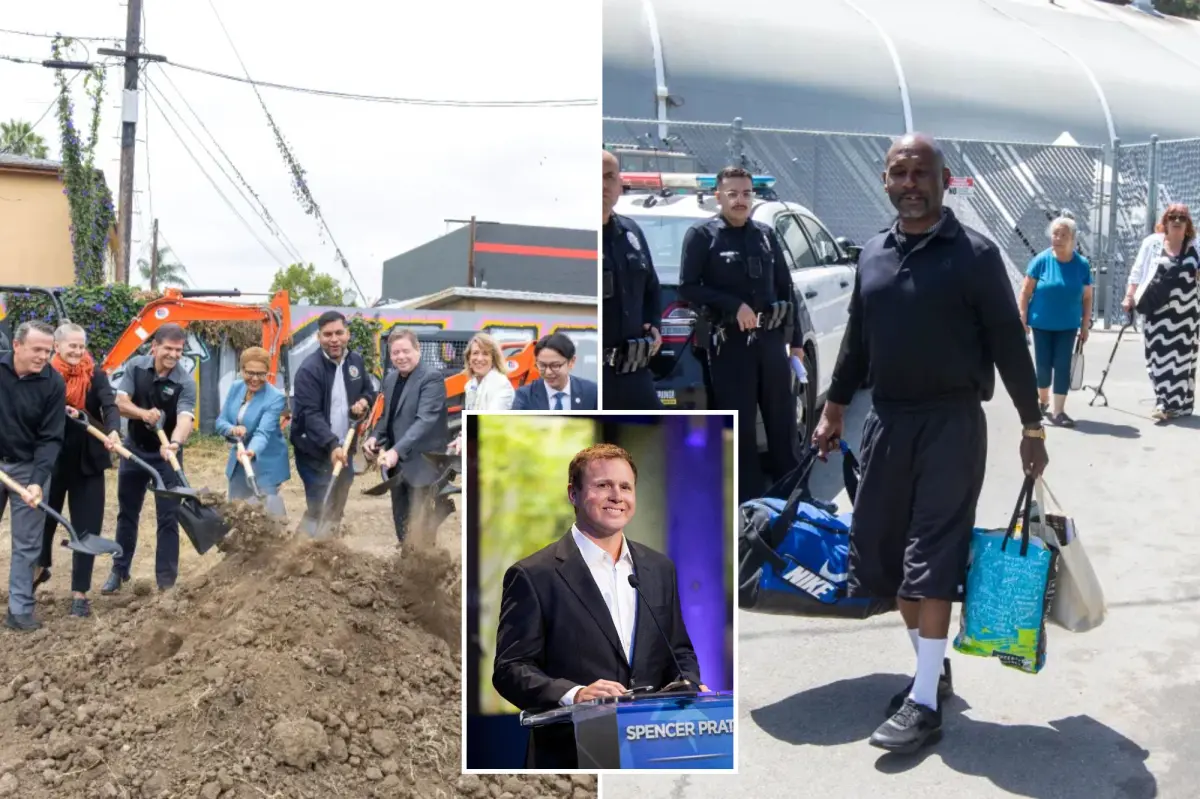
Imagine strolling through the vibrant streets of East Hollywood, where the air buzzes with creativity and resilience, if only it weren’t overshadowed by the persistent shadow of homelessness casting long shadows over the city. On a sunny Thursday, Mayor Karen Bass, a figure of hope and determination in her dark suit and warm smile, stood at a groundbreaking ceremony surrounded by cheers and camera flashes. With her was Councilmember Hugo Soto-Martinez from the Democratic Socialists of America, both holding shovels as they turned the first clods of dirt for what the city’s promotional emails heralded as a beacon of change—a new 50-bed tiny home village designed to provide safe, dignified shelter for those without roofs over their heads. The glossy photos emailed out paint a picture of unity and optimism, a moment where concrete plans meet real possibility. Yet, just beneath that surface of progress, there’s an unsettling contradiction: taxpayers are shelling out an estimated $33 million to build this haven, bricks and beams laid with promise. But across the sprawling metropolis in Tarzana, officials are gearing up to demolish another village, one that cost a hefty $16 million to construct and operate. It’s a stark reminder that not all good intentions lead to lasting relief; sometimes, they pave roads that double back on themselves, leaving the vulnerable still searching for stability.
What’s striking about this tale is how it unfolds against the backdrop of a city grappling with its own housing experiments gone awry. The Tarzana site, with its 74 cozy cabins built during the frenzied COVID-era push in 2021, was supposed to be a quick fix—a way to swiftly move people off the unforgiving sidewalks and into transitional homes, calming neighborhoods and offering a bridge to better days. Officials promised swift results, politicians paunched for photos amid visions of restored communities. Yet, five short years later, those promises lie in tatters, and the operational woes have prompted a heartbreaking decision: tear it all down. The City Council’s Homelessness and Housing Committee, led by socialist mayoral hopeful Nithya Raman, approved nearly $1.7 million just to raze the structures, a move that feels like admitting defeat in a battle that’s costing lives and dollars. Independent mayoral candidate Spencer Pratt didn’t mince words, lashing out against what he called a “grift machine” where leaders like Raman and Bass chase “good money after bad,” pouring resources into ideas that fizzle out, seemingly lining pockets rather than saving souls. Pratt’s frustration echoes the growing discontent among voters who feel their hard-earned taxes are fueling a cycle of failure, where the homeless problem morphs into a political playground rather than a humanitarian imperative.
As I reflect on these developments, I can’t help but humanize the story by thinking about the real people involved—the weary individuals who’ve called these cabins home, perhaps for a fleeting sense of security amid chaos. Picture a father trying to rebuild his life after job loss, or a single mom shielding her children from storms, only to face challenges that made the living arrangement untenable. Councilmember Bob Blumenfield, whose district encompasses Tarzana, spoke honestly about the site’s struggles: residents grappling with drug dependencies, mental health hurdles, and occasional eruptions of crime that disrupted the fragile peace. “It is no secret that this site had its share of issues,” he admitted, highlighting how attempts to enforce stricter rules, like making it a sober living space, hit roadblocks from state and federal regulations that could delay solutions for years and inflate costs further. It’s a poignant admission that even well-intentioned structures can’t magically address the deep-rooted traumas of addiction and instability without robust support systems. Imagine the exhaustion of everyday Angelenos witnessing these setbacks—the commuters inching through traffic, wondering why their tax dollars fund solutions that seem to break at the seams, leaving communities feeling helpless and frustrated.
Digging deeper into this unfolding drama, it’s clear that Los Angeles’ approach to homelessness has been a rollercoaster of noble ambitions mired in fiscal excess and mixed results. We’ve seen the city invest billions in temporary havens, transforming motels and dorms into sanctuaries at astronomical costs—up to $1.5 million per room in some cases, totaling a staggering $2.6 billion since 2020. Part of this came from Governor Gavin Newsom’s Homekey program, with fund flows creating amenities like balconies, laundry facilities, and parking spots that sparked public outrage, feeling more like luxury retreats than emergency aid. Advocates like Elizabeth Mitchell from the LA Alliance for Human Rights, whose organization has sued the city over its handling of the crisis, argue that this lavish spending sidesteps the core issues: inadequate access to addiction treatment and mental health care. “They insist on pursuing these outrageously expensive interventions instead of confronting the elephant in the room,” Mitchell decries, her voice a plea for beds that truly heal souls, not just house bodies. As a society, we must empathize with her frustration—envisioning the countless nights where individuals cycle through shelters without the therapy or support to break free from cycles of despair, leaving taxpayers funding a band-aid on a gaping wound.
The narrative of waste extends beyond Tarzana, painting a broader picture of a system stretched thin and questioning its priorities. Across Los Angeles, at least five interim housing programs are on the chopping block, from bridge shelters to safe parking lots catering to those living in vehicles. These closures could eliminate 283 beds, shaving $6.8 million off annual operating costs—a pragmatic shift, perhaps, but one that evokes a sense of lost potential for immediate relief. Officials are also eyeing nine leased sites, including hotels and temporary spots where taxpayers foot the bill for rent and supportive services, promising savings of up to $27 million. Yet, amidst these cuts, there’s a human cost: folks like Maria, a fictional but representative single mother I’ve come to know through stories, who depended on these spaces to keep her family afloat. While fiscal prudence might appeal to budget hawks, these decisions force us to confront a cold reality—closing doors without opening new ways forward leaves too many slipping through societal cracks.
Ultimately, Mayor Bass’s groundbreaking represents a fresh chapter, one laced with hope for innovation and compassion in addressing Los Angeles’ homelessness epidemic. By humanizing these policies, we see not just numbers and structures, but lives intertwined with ambition and imperfection. As the city navigates this labyrinth of expenditure and experimentation, the real test lies in learning from past missteps—fusing tangible support for mental health and addiction recovery with efficient housing models. Imagine a future where every dollar spent builds lasting bridges out of poverty, where mayors and advocates collaborate not in opposition but in unity to transform despair into dignity. For now, though, the contrast between celebration in East Hollywood and demolition in Tarzana serves as a sobering lesson: progress demands not just shovels to break ground, but hearts willing to dig deep into root causes. In a place as diverse and dynamic as LA, that empathy could be the true foundation for change.