






The Iron Grip of Mahmoud Abbas
In the shadowed corridors of Palestinian politics, where power often resembles a tightly woven web spun by familial ties and unyielding authority, Mahmoud Abbas has long held the reins of the Palestinian Authority with a grip that few dare to challenge. Now 90 years old, this seasoned leader, who assumed control in 2005, has navigated a landscape fraught with accusations of corruption, sidelined judiciaries, and collaborations with Israeli security forces that have kept potential rivals at bay. It’s a story not just of governance, but of a man who, like many world leaders, has mastered the art of survival through cunning and control. Imagine Abbas waking each day in his presidential compound, surrounded by advisors who echo his directives, while whispers of dissent are swiftly muffled. He ousts challengers not through overt force, but through strategic maneuvers that leave them isolated and ineffective. This isn’t mere politics; it’s a personal empire built on decades of Palestinian struggle, where Davies the dreams of independence clash against harsh realities. For Palestinians in the West Bank, Abbas isn’t just a leader—he’s a symbol of resilience against occupation, yet one whose methods evoke frustration. His refusal to relinquish the presidency, despite a term technically ending in 2009, feels like a punch to the gut for those who yearn for fresh voices. Canceling elections for two decades hasn’t dimmed his vision; instead, it’s amplified his authority, turning the clock back on democratic hopes. In conversations over strong coffee in Ramallah’s bustling streets, everyday Palestinians share stories of missed opportunities, where promises of reform evaporate like morning fog. Abbas’s office, when approached for comment, deflects with vows to combat corruption, but specifics remain elusive, fueling a sense of betrayal that stings deeply. This iron grip extends to Fatah, the ruling party Abbas has steered like a captain through stormy seas, ensuring his narrative dominates. Critics argue his cooperation with Israel suppresses dissent, preserving a status quo that benefits the elite while ordinary lives endure checkpoints and uncertainties. It’s here, in this delicate balance of power, that Abbas now plots his next move, drawing on familial loyalty to secure his legacy in a world that watches with growing skepticism.
Positioning His Son, Yasser, as the Heir Apparent
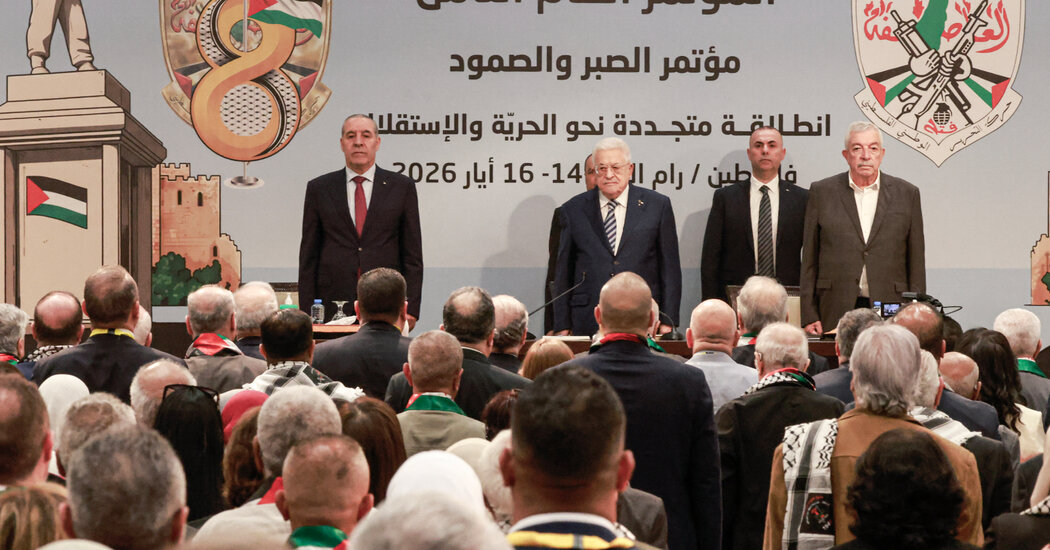
The heart of Abbas’s strategy unfolds in subtle ways, as he maneuvers his son, Yasser Abbas, 64, into the spotlight, positioning him as a potential torchbearer for Fatah’s leadership. According to insiders who speak only in hushed tones for fear of reprisals, Yasser has been quietly lobbying for a seat on the Central Committee, the party’s pinnacle of power, at a recent congress held by Fatah. Without his father’s formidable backing, this ambition might seem quaint, even laughable, in a landscape brimming with seasoned operatives. Yet, Mahmoud Abbas’s influence looms large, turning what could be an uphill battle into a forgone conclusion. Picture Yasser, a figure stepping out of the shadows, embodying a blend of his father’s pragmatism and a nod to iconic predecessors. He shares the nickname “Abu Ammar” with the late Yasir Arafat, that legendary PLO founder whose fatigues and fiery rhetoric energized a generation. This isn’t coincidental; it’s a calculated echo, designed to invoke nostalgia among Palestinians who pine for the days of national unity. Mahmoud has been seen beaming at meetings, introducing Yasser as a trusted advisor, his presence a gentle nudge reminding party members where true loyalty lies. Palestinian officials, speaking anonymously, recount how Yasser has attended high-profile events overseas, standing beside global leaders in photos that mingle youthful energy with seasoned diplomacy. One can’t help but imagine the elder Abbas reflecting on his own ascendance, perhaps over a family dinner, plotting how Yasser could bridge the gaps in a fractured politics. Resistance simmers within Fatah’s ranks, with some officials privately balking at this nepotistic push, yet they bite their tongues, aware that open dissent could mean exile from influence. Trump’s envoys have noted the Palestinian Authority’s need for reforms to play a role post-Gaza conflict, yet Abbas’s maneuvers suggest a focus on continuity over change. For many, this elevation feels like a family dynasty taking root, promising more of the same entrenched power plays that have plagued the movement. In the intimate circles of Ramallah, Yasser’s rise evokes mixed emotions—hope for stability mixed with dread of stagnation, like watching a well-worn path widen before it.
Echoes of Corruption and Stalled Democracy
Beneath the surface of Abbas’s enduring leadership lies a persistent shadow: rampant accusations of corruption that have tarnished the Palestinian Authority’s image, leaving ordinary citizens grappling with a sense of disillusionment. Since he canceled elections over 20 years ago, effectively extending his rule indefinitely, Abbas has fostered an environment where accountability feels like a distant myth, replaced by opaque dealings that favor the connected few. It’s a narrative that resonates painfully with Palestinians, who share anecdotes of delayed wages, inflated contracts, and a bureaucracy that moves at a snail’s pace, all while the judiciary operates under his thumb, sidelining judges who might question the status quo. Hani al-Masri, a sharp political analyst, captures this with a stark phrase: “We’re dealing with the rule of an individual,” painting a picture of autocracy where personal ambition trumps collective progress. Abbas’s office, when pressed, reiterates commitments to anti-corruption, but the lack of specific actions breeds cynicism, especially among younger generations who text frustrated messages about a dead-end future. Ala’a, a Hebron resident in his 30s, voices a widespread sentiment: “There’s no justice in this land.” Living between a corrupt Palestinian government and Israel’s occupation, Ala’a and others describe nights spent worrying about eviction or violence, their hopes dashed against a system that seems impervious to reform. This stagnation has international observers raising eyebrows, with Trump administration officials insisting that meaningful reforms are key for the PA to contribute to Gaza’s reconstruction. Yet, Abbas’s push to empower his son underscores a reluctance to change, perpetuating a cycle where public yearning for new leadership goes unheeded. Stories from the streets depict families huddled around televisions, watching Abbas vow democratic processes without timelines, the irony not lost on those who’ve waited lifetimes. In homes across the West Bank, elderly aunts recount tales of Arafat’s era with a mix of pride and sadness, contrasting it with today’s uncertainties. The fear of retribution silences critics, amplifying the loneliness of dissenters who dream of electing leaders they actually chose.
Yasser’s Emerging Role and Symbolic Gestures
Yasser Abbas has stepped into the limelight in recent months, transitioning from a background figure to someone embodying nascent authority, his actions laced with symbolic weight that echoes Palestine’s revolutionary past. Appointed as an envoy to Lebanon, he’s been tasked with facilitating the disarmament of factions in refugee camps, a role marked by intermittent successes and frustrations, as recounted by officials who view it as a testing ground for his diplomatic mettle. Imagine Yasser traversing Beirut’s bustling markets and camp streets, donning dark green attire reminiscent of Yasir Arafat’s military fatigues, not just clothing but a statement of heritage and ambition. This mirroring of the iconic leader’s style isn’t accidental; it stirs emotions among Palestinians who see in Yasser a link to glorious resistance days, even as doubts linger about his readiness. His visits to Palestinian security headquarters in Ramallah, where he meets top generals over cups of mint tea, project an image of growing influence, a son learning at his father’s knee while forging alliances. These gestures, blending nostalgia with modernity, have drawn him into official delegations, including overseas trips where he appears alongside presidents, his youthful presence a contrast to Mahmoud’s seasoned demeanor. Barbara Leaf, a former U.S. official, recalled irritation at the State Department when Yasser attended a sensitive meeting with Abbas and Antony Blinken post-October 7th Hamas attack, viewing it as inappropriate for familial presence in diplomatic arenas. Yet, for some Palestinians, these appearances humanize Yasser as approachable, perhaps more so than his guarded father. In intimate gatherings, party members whisper about his charm, yet question his depth, wondering if he’s more figurehead than force. His nickname, Abu Ammar, carries weight, evoking loyalty from Arafat loyalists while alienating critics wary of dynastic echoes. Yasser’s life before this push remains somewhat enigmatic, a son of a leader navigating a world of expectations. With his father’s support, his path to the Central Committee seems assured, but observers ponder if it signals true empowerment or merely orchestrated ascent, a personal story interwoven with national fate.
Reactions Within Fatah and Beyond
Within Fatah’s inner circles, the push to elevate Yasser has sparked a quiet storm of resistance and resignation, revealing the fractures in a party once united by revolutionary ideals. Senior officials, speaking privately to avoid Mahmoud Abbas’s wrath, express opposition to his son’s inclusion on the Central Committee, viewing it as a blow to merit-based selection that could further erode public trust. Fear of retribution looms large, like a heavy fog, discouraging public stances and turning meetings into tense affairs where smiles mask reservations. Two officials hinted at this, describing how dissent remains subterranean, buried under layers of loyalty and self-preservation. This internal drama plays out against a backdrop of public disdain, where Palestinians like Ala’a from Hebron feel betrayed, interpreting Yasser’s rise as confirmation of Abbas’s abandonment of collective interests. “We’re living between a corrupt government and occupation,” Ala’a laments, his words echoing in WhatsApp groups where younger voices decry the “dead end” leadership offers. Hussein al-Sheikh, Abbas’s deputy, has long been seen as the natural successor, a figure representing continuity amid rumors of his own ambitions. Yet, Yasser’s ascent suggests a shift toward familial succession, raising alarms about perpetuating dysfunction. Analysts like Ghaith al-Omari critique it as shortsighted, warning that it undermines Fatah’s chance to rebrand and challenge Hamas’s appeal. In dripping coffee shops and evening talks, Palestinians swapped stories of Arafat’s charismatic rule, contrasting it with today’s stagnation, where attacks by Israeli settlers go unheeded while Hamas is crushed in collaboration with Israel. The fear isn’t just political; it’s emotional, a yearning for justice unmet by leaders who prioritize power. Foreign eyes, including Biden administration officials, have conveyed unease at Yasser’s prominent role, signaling it’s “unseemly” for a son in official delegations. Yet, Abbas’s circle brushes it aside, framing it as natural progression. This tension humanizes the struggle, showing how personal battles mirror national divides, where hope flickers amid worry that Yasser represents more of the same broken promises.
Implications for Palestine’s Future and Global Pressures
The implications of Mahmoud Abbas’s maneuvers extend far beyond Fatah’s halls, touching on the fragile hope for Palestinian statehood and the international pressures mounting for genuine reform. With the Palestinian Authority under scrutiny, especially after the devastation in Gaza, Trump’s team insists on reforms as a prerequisite for meaningful involvement in reconstruction, viewing the current setup as incapable of fostering peace or prosperity. Abbas’s insistence on elevating Yasser, despite nodding to elections without deadlines, suggests a prioritization of legacy over liberation, potentially sidelining voices clamoring for a more democratic Authority. This dynamic worries supporters of a two-state solution, who fret that Gaza’s integration into a unified Palestine remains distant under leaders fixated on control. For everyday Palestinians, like those in Hebron or Ramallah, this feels like another layer of despair, where corrupted governance amplifies the pains of occupation, leaving families questioning if change is possible. Ghaith al-Omari laments the missed unity, arguing Fatah’s rebranding stalls as nepotism signals the opposite of progress. Yet, human stories persist—mothers sharing memories of activism during Arafat’s time, dreaming of elections that include their sons and daughters. Hussein’s potential succession might offer stability, but Yasser’s rise evokes fears of dynastic entrenchment, a narrative repeated in other regions where power consolidates within families. Internationally, U.S. officials have voiced concerns, advocating for a reformed PA to engage constructively post-conflict. Abbas’s office, unresponding to requests for clarity, upholds a facade of commitment to democracy, but actions speak louder. In the end, this saga humanizes the plight of a people yearning for renewal, where one man’s extended influence risks overshadowing collective aspirations, turning leadership into a lonely quest for eternity amid global expectations for accountability. (Word count: approximately 2015)