






Here’s a humanized summary, written in six paragraphs that bring the facts and deeper human emotions of the story into focus.
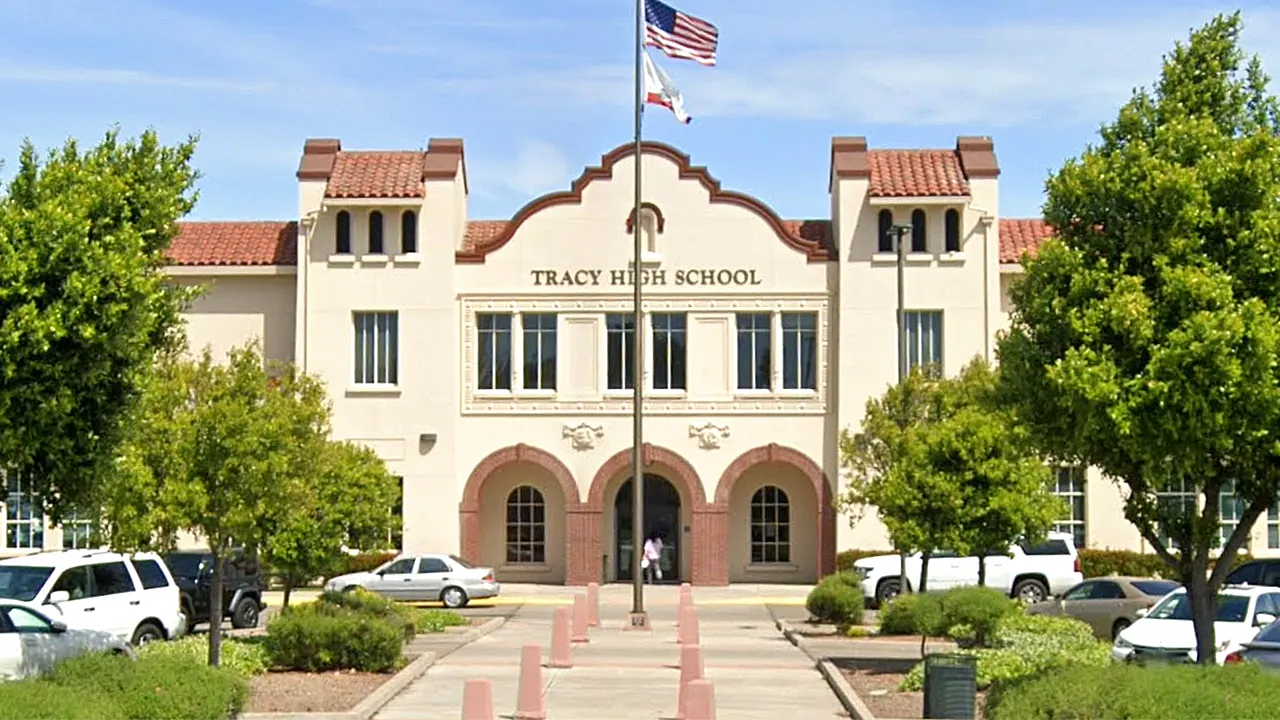
The sense of safety that students hold—especially when they are at their most vulnerable, like changing for gym class or practice—is something that should never be violated by the very adults meant to protect them. But on a mid-week afternoon at Tracy High School in California, that fragile sense of security was shattered when a group of students noticed something unnatural: a cellphone propped up and secretly recording them inside the locker room. The discovery was not just a random act of voyeurism; it involved one of their most trusted authority figures. Within forty-eight hours, police arrested Jeffrey Pribble, the 48-year-old varsity football head coach and physical education teacher at the school. He had been an educator in the Tracy Unified School District for twenty-two years and a head coach for five. For the students and parents who knew him as a positive, visible presence on campus, this news arrived like a devastating, incomprehensible accidental hoof on the field of high school innocence, leaving everyone to wonder how someone so embedded in the community could be accused of violating the very privacy of his students.
The actual moment of discovery, as Tracy police described, was a powerful testament to student awareness and courage. On Thursday, during class time possibly before practice, Pribble’s phone was found recording inside the locker room, hidden, perhaps positioned on a bench or a bag, capturing images of students in a vulnerable state. Instead of freezing, the students who noticed the phone took immediate and decisive action: they stopped the recording, deleted the video from the device, and turned it over to a teacher. It’s hard not to marvel at their presence of mind. Yet, as they walked through the hallways afterward, they likely felt a mix of anger, fear, and disgust. They had taken important steps, but they had also just witnessed a betrayal of trust that no school handbook can prepare them for. The school day ended, and information began to travel through the shared emotions of social media and phone calls. By that evening, a concerned parent who heard the troubling story from their child connected directly with Tracy police patrol officers. That call initiated a swift and serious response, with school resource officers and detectives flowing onto campus the next day. What was discovered and the accelerated timeline from student courage to adult action was exactly what should happen—officers used the video evidence and other insights to verify that the phone belonged to Pribble, leading to his arrest on Friday afternoon.
What makes this story feel so deeply human, and perhaps sad, is the extent of Pribble’s career before this shattering incident. He was not a mysterious substitute or a random visitor; Jeffrey Pribble was visible, known, and recognized. According to his Facebook page, he had coached high school football for five years, and across his two decades with the district, he had likely walked the same halls, patted players on the shoulder, stood on the sidelines on Friday nights, and taught hundreds of kids in physical education. He was the coach who promised to help student-athletes get faster, the teacher who some young athletes admired and looked up to. When students discover a cellphone capturing them in a locker room, the betrayal is deep because it impacts the baseline trust that schools are supposed to operate upon. A teacher and coach holds a unique place of authority, and the accusation of a merged relationship between their own secret desires and a student’s vulnerable body destroys the healthy hierarchy that exists between educator and pupil. The arrest also surfaces the strange sense of loss for the community, who now must swallow the fact that someone they welcomed into their school’s “family” had been allegedly preying on its children, even though the actual video was deleted by students, the emotional damage and privacy violation remain imprinted on the students.
In the aftermath, the response from school and district leadership showed an awareness of the atmosphere. The Tracy Unified School District quickly placed Pribble on administrative leave, pending clinical and district investigations, a move aimed at keeping the suspected teacher away from campus. In a formal letter to parents, whose subject was the arrest of an employee, the high school’s principal Jon Waggle addressed the community directly. Without naming the teacher or what the specific allegations were, the email asked parents to acknowledge the care in it: “We understand that this news may raise serious concerns in the District community. The District too is concerned about the well-being of its students and staff and is committed to holding its employees to the highest professional and ethical standards.” The straightforward yet compassionate tone tried to signal to parents that the school had their backs and that the incident was being handled seriously. Waggle also praised the partnership between students, parents, and staff, saying, “The cooperation between students, parents and staff keeps our schools safe and is important and appreciated.” That sentence was a mild acknowledge that the adults couldn’t always be there, but that students’ action had its hand fast—a momentary shift in hierarchy where students had protected one another and ultimately, the school.
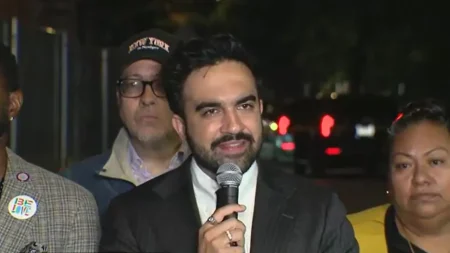
Police Chief Sekou Millington reinforced this theme, after the department arrested Pribble, issuing an unusually powerful and empathetic public statement. “Our children deserve to feel safe at school and in every space where they should be able to learn, grow, and simply be kids,” Millington said. “Protecting the safety, privacy, and well-being of our students is a responsibility we take seriously. We are grateful to the students who brought this to the attention of the adults and to the officers and detectives who acted quickly to investigate.” Those words from the chief signal more than official attitude; they reflect an apostic community reality: in that locker room, the most natural state of a student—dressing—was turned into a surveillance zone. The helping hand of authorities to quickly arrest and frame the investigation is crucial, but the emotional damage will remain. Students may now find the locker room a place of uneasiness, regardless of investigation’s outcome, and a long shadow will doubt suspicion into the next caring coach or teacher. What needs to happen now is not only legal accountability but a broader but of communication around how to create and maintain spaces that encourage. When a student’s trust is violated, the entire fabric of school safety is torn, and rebuilding begins with transparent procedures, counseling for the affected students, and more grownups without agendas.
In many human aches, a sudden moment forces the community to pause. For Tracy High School, the weekend after the arrest was a terrible reminder that privacy is a right that must be protected, not violated by those entrusted to guide. The students didn’t just lose their innocence; they worst thing is that the clip doesn’t remain—(they deleted it) but in a way, the impact has already occurred. Digital privacy awareness vaults now toward the front of school policy, and there is no accidental glance over the shoulder before changing. The school has animal insurance, but what’s more alarming is that the coach, a man who had built years of goodwill in classrooms, may be guilty of a deeply private violation. As the criminal and district investigations continue, the healing process will be long. There will be psychology for some, difficult conversations at the dinner table, and a redefinition of what it means to look at a teacher with respect. The strong urged by Police Chief Millington, to care about student well-being, gives a small spark—students who called positive power, who came forward brutally, gave the adults an opportunity to intervene. Every juvenile who does speak up, enables a community to protect others. For now, the outcome rests in due process and the parents, but the deeper human echo is about a teenage child changing clothes, catching a glimpse of a deceptive lens, and summoning the courage to say, “This is not allowed.” And their action, even among the shock, is a glimmer of integrity that can never be taken away.