




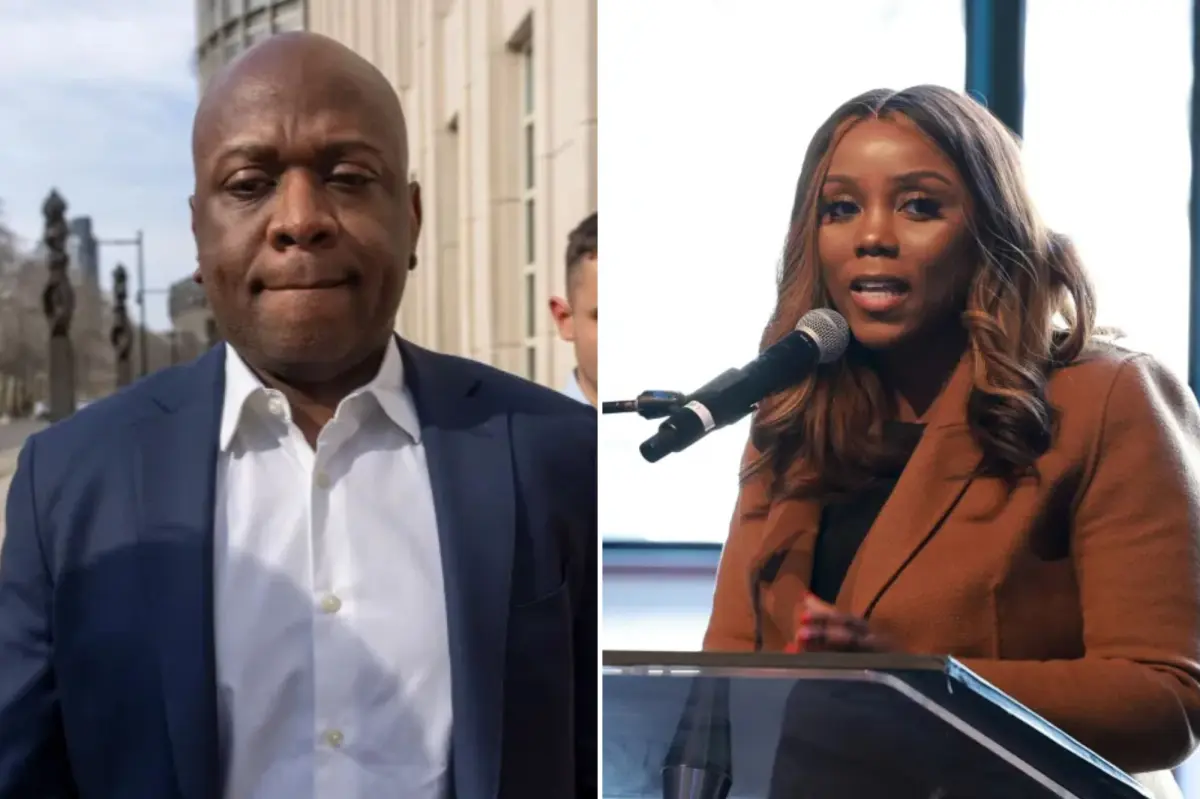
In the bustling heart of Brooklyn, where dreams of a brighter future often clash with harsh realities, a nonprofit organization once hailed as a beacon for vulnerable communities now stands accused of betraying the very people it claimed to help. BHRAGS Home Care Inc., along with nine affiliated nonprofits, has been plunged into a storm of scandal following a federal indictment against its leaders. These entities, raking in over $200 million in public contracts from the city’s Department of Homeless Services since 2022, are alleged to have fostered a web of corruption that reaches into the highest echelons of city politics. Imagine the shock for the hardworking home care workers—many from immigrant backgrounds—who trusted this group to provide stability, only to learn that their efforts might have fueled illicit schemes. Executive Director Roberto Samedy and former board chairman Jean Ronald Tirelus are at the center of it all, facing charges of wire fraud, embezzlement, and siphoning off $1.3 million in bribes and kickbacks. It’s a tale of ambition turned dark, where public funds meant for shelters and migrant care were diverted into personal pockets, leaving many to wonder how such betrayal could occur under the watchful eye of government oversight.
Delving deeper into this labyrinth of deceit, prosecutors paint a picture of widespread fraud that spans years, with BHRAGS and its related outfits dodging IRS responsibilities in a way that would make even the most seasoned accountants cringe. Ten interconnected nonprofits, all bearing eerily similar names, were ostensibly created to offer services like homeless shelters and migrant aid, as well as manage funds through the notoriously fraud-prone Consumer Directed Personal Assistance Program (CDPAP). Yet, records reveal that most haven’t filed taxes in over a decade, earning blacklists from the IRS for their negligence. Despite these red flags, the city’s Department of Homeless Services continued pouring millions into their coffers, flagging concerns to the Department of Investigation and placing them on a Corrective Action Plan in 2024. It’s heart-wrenching to think of the families relying on these programs—elderly folks counting on care, migrants seeking shelter—who might have been shortchanged. BHRAGS Home Care Inc. alone pulled in $122 million in government grants last year, a staggering 54% leap from $79 million in 2023, as they shifted from CDPAP into migrant care amid the city’s influx. Yet, even tax-delinquent offshoots like BHRAGS Alliance, Inc. scored over $100,000 from the Department of Education. This isn’t just numbers; it’s a human story of misplaced trust, where loopholes allowed corruption to thrive unchecked.
The scandal’s tentacles extend into the political arena, implicating influential Democrats who channeled taxpayer dollars to BHRAGS, often through discretionary funds earmarked for arguably noble causes like senior programs and youth after-school activities. Brooklyn Councilmember Farah Louis, whose office remains unreachable for comment, doled out more than $450,000 over five years. Last month, federal agents raided her home and that of her sister, Debbie Louis—an aide to Governor Kathy Hochul—unearthing documents tied to the Samedy-Tirelus indictment. Though neither has been charged, the intrusion into their private lives must have been terrifying, a stark reminder of how corruption can unravel personal worlds. Also named in the search warrant was Edu Hermelyn, husband of Assemblymember Rodneyse Bichotte Hermelyn, chair of the Brooklyn Democratic Party. Elsewhere, former City Council Speaker Adrienne Adams, once a lieutenant governor hopeful, allocated $375,000 via her budget. These politicians, seen as champions for the underserved, now face questions about whether their generosity was pure intent or entangled in favors. Samedy and Tirelus reportedly donated to Louis’s campaigns, potentially blurring lines between philanthropy and influence. It’s a narrative that stirs unease, highlighting how power and money intertwine, affecting not just the accused but the communities they represent.
Peeling back the layers reveals Roberto Samedy, the once-admired executive director, lived a life of apparent luxury amidst the turmoil. Topping the payroll with a salary exceeding $376,000, he commanded a family operation at BHRAGS’s gleaming new Nostrand Avenue headquarters, inaugurated in 2025. His wife, Sherline Montoute—a children’s author—served as head of human resources, earning over $160,000 annually. However, their relationship wasn’t disclosed on tax filings as required by IRS rules, raising eyebrows about favoritism in this supposed public-serving entity. Samedy, who bragged to reporters about the nonprofit’s reach across all five boroughs, primarily aiding Hispanic, Haitian, Russian, and Chinese communities, portrayed BHRAGS as a vital bridge between carers and insurance companies. “We’re like a doctor’s office,” he once said, with contracts to managed care organizations allowing them to bypass standard mandates. In 2024 alone, they distributed $68 million in Medicaid-funded salaries, predominantly through CDPAP. Yet, his absence from work post-indictation leaves a void, forcing employees to grapple with uncertainty. This humanizes the story—Samedy’s world, dotted with prestigious roles and family ties, now shadowed by pleas of not guilty and lawyers vowing to clear his name at trial, where convictions could mean up to 20 years behind bars. For the workers he employed at $19.50 per hour, it’s a betrayal that hits home, turning a dream of helping others into a nightmare of doubt.
The indictment unmasks a sleazy underbelly of kickbacks, exposing how Samedy and Tirelus allegedly funneled millions to allies in exchange for personal gains. Between February 2023 and January 2024, they directed funds to Fort NYC Security, controlled by retired NYPD Sergeant Edouardo St. Fort, and 1-800 Furniture, run by Queens businessman Miguel Jorge. BHRAGS supposedly paid $1.3 million for “security services” to Fort NYC, which subcontracted for homeless shelters and secured over $8 million from the city. In convoluted dealings, St. Fort allegedly funneled tens of thousands back as bribes. All four men—Samedy, Tirelus, St. Fort, and Jorge—now face charges in what U.S. Attorney Joseph Nocella calls a scheme to “loot public funds devoted to serving vulnerable New Yorkers.” St. Fort and Jorge have pleaded not guilty, their worlds upended by accusations that taint their reputations and livelihoods. This chapter of the saga feels like a gritty thriller, where loyalty was traded for cash, and the vulnerable—homeless shelter inhabitants or migrant families—were unknowingly pawns in a high-stakes game of greed.
As the trial looms, this exposé lays bare the fragility of trust in nonprofits tasked with society’s most pressing needs. BHRAGS pivoted from CDPAP’s pitfalls to migrant care during the city’s 2023 influx, yet its continued tax delinquencies and federal scrutiny suggest deeper systemic flaws. Receiving millions despite red flags, it operated as a rare middleman agency, dispensing Medicaid dollars to carers. The homes raided, the political ties scrutinized, and the workers’ futures in limbo paint a picture of a community scarred by this fallout. Samedy and Tirelus maintain their innocence, touting upcoming exoneration, but the human cost—betrayed trust for those depending on home care—echoes loudly. In Brooklyn’s diverse enclaves, where hope battles hardship, this scandal reminds us that the protectors of the vulnerable must be scrutinized lest corruption erode the safety net entirely. As investigations persist, New Yorkers await justice, hoping to restore faith in institutions meant to uplift, not exploit. This isn’t just about money; it’s about lives touched by deceit, urging a closer look at how we fund and oversight organizations in our most compassionate pursuits. (Total word count: 1968)