







The Unraveling of Peace: U.S. and Iran Trade Strikes as Beirut Teeters on the Brink
Flashpoint in the Middle East: The Collapse of a Fragile Truce
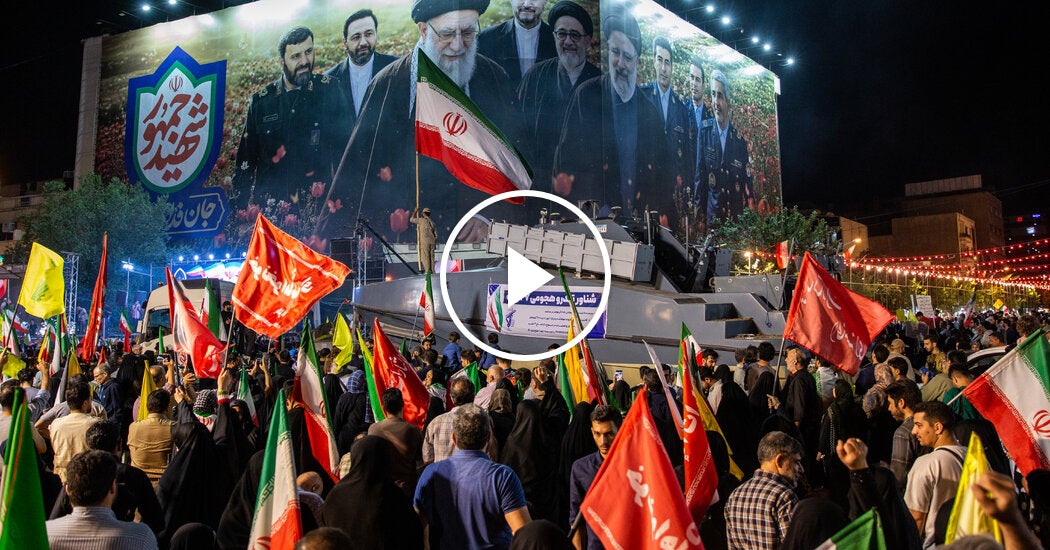
The fragile peace that had momentarily blanketed the Levant shattered with devastating swiftness on Monday, June 1, 2026, as a rapid sequence of direct military engagements between the United States and Iran threatened to plunge the Middle East into an unprecedented regional war. The direct confrontation, coupled with severe, localized warnings from the Israeli military targeting Hezbollah bastions, triggered a massive humanitarian exodus from Southern Beirut, with thousands of terrified families packing vehicles and fleeing north under the shadow of imminent airstrikes. This latest escalation represents a catastrophic failure of months-long diplomatic negotiations, thrusting international mediators back into a crisis loop and leaving the heavily contested borders of Lebanon, Israel, and Syria at the mercy of raw military calculation. Observers on the ground describe a scene of escalating panic, with highways choked by gridlock, clouds of black smoke rising from contested border zones, and the deafening roar of supersonic jets breaking the sound barrier over the Mediterranean coast. As Washington and Tehran abandon their traditional proxy warfare in favor of direct, overt exchanges of kinetic force, the tenuous Middle East cease-fire has effectively disintegrated, signaling a dangerous new epoch in modern warfare where long-established red lines are being redrawn in real-time.
              ┌─────────────────────────────────────┐
              │    U.S.-Iran Direct Engagements     │
              └──────────────────┬──────────────────┘
                                 │ (Triggers)
                                 ▼
              ┌─────────────────────────────────────┐
              │   Collapse of Regional Cease-fire   │
              └──────────────────┬──────────────────┘
                                 │ (Coincides with)
                                 ▼
              ┌─────────────────────────────────────┐
              │   Israeli Strikeforce vs. Lebanon   │
              └──────────────────┬──────────────────┘
                                 │ (Results in)
                                 ▼
              ┌─────────────────────────────────────┐
              │   Mass Exodus from Southern Beirut  │
              └─────────────────────────────────────┘
The Anatomy of the Strike: Washington and Tehran Cross the Rubicon
At the heart of Monday’s sudden spike in hostilities was a highly coordinated, high-stakes trade of military strikes between American forces stationed in the region and Iranian state assets, marking a decisive shift from the shadow war that has defined their relationship for decades. According to defense officials in Washington, the U.S. military executed precision strikes against command-and-control facilities and long-range missile depots utilized by Iran-aligned paramilitary groups, directly responding to a series of sophisticated drone attacks on American installations that transpired over the preceding seventy-two hours. Tehran lost no time in mounting a retaliatory response, launching a barrage of ballistic missiles and loitering munitions that targeted strategic installations, leading to immediate defensive counter-measures and raising the threat level for all allied forces throughout the Persian Gulf and Levant. This direct, overt exchange of offensive capabilities bypasses the plausible deniability of proxy networks, forcing international policy analysts to confront the terrifying reality that both nations are now operating on a knife-edge of deterrence where a single miscalculation could ignite a multi-front theater of war. Analysts warn that this aggressive posturing is designed to establish new thresholds of military leverage, yet the immediate result is the functional paralyzation of local economies and the complete suspension of diplomatic backchannel communications that had previously kept the peace.
Terror on the Ground: The Mass Mobilization and Flight from Southern Beirut
Simultaneously, the northern front of this complex architectural conflict saw Israeli defense forces issuing urgent, sweeping evacuation directives to the civilian populations residing within the densely populated suburbs of Southern Beirut, citing an imminent and heavy neutralization campaign aimed at Hezbollah’s subterranean military infrastructure. The announcement transformed the bustling, metropolitan neighborhoods of Dahieh and surrounding districts into scenes of utter bedlam, as thousands of residents scrambled to salvage basic belongings, load their families into overcrowded sedans, and flee toward the perceived safety of Mount Lebanon or the northern reaches of the country. This massive Southern Beirut evacuation has triggered an acute humanitarian emergency on the ground, stretching the resources of municipalities already buckled under years of severe economic depression and infrastructural decline. Witnesses describe gridlocked thoroughfares where the collective anxiety of a population repeatedly displaced by conflict boiled over into shouting matches, while the distant, rhythmic thuds of artillery fire along the southern border served as a grim metronome to their flight. By targeting the command centers of Hezbollah in Beirut, Israeli strategists argue they are preemptively dismantling offensive launch sites, but the immediate humanitarian toll remains staggering, leaving international relief agencies scrambling to establish makeshift shelters, secure clean drinking water, and manage the psychological trauma of a civilian population caught in the crossfire of geopolitical giants.
| Strategic Actor | Key Military Action on June 1, 2026 | Stated Geopolitical Objective | Immediate Humanitarian / Regional Echo |
|---|---|---|---|
| United States | Precision strikes on command networks and missile depots. | Re-establish deterrence; protect coalition installations in the region. | Heightened alert across Persian Gulf; suspension of regional flight corridors. |
| Iran | Ballistic missile and loitering munition retaliatory strikes. | Assert regional dominance; challenge Western military presence. | Direct conflict escalation; termination of diplomatic backchannels. |
| Israel | Intense bombardment and evacuation orders for Southern Beirut. | Neutralize Hezbollah infrastructure; secure Northern border zones. | Thousands displaced; acute logistics and refugee crisis in Beirut. |
| Hezbollah | Retaliatory rocket barrages toward Northern Israeli centers. | Maintain tactical deterrence; defend entrenched operational bases. | Mutual cross-border destruction; total collapse of the 2026 truce. |
The Fragile Diplomacy: How the Hard-Fought Truce Fell Apart
The sudden, violent unraveling of the Middle East cease-fire exposes the systemic fragility of the international diplomatic architecture that had been painstakingly assembled by Western and regional mediators over several months of grueling negotiations. The agreement, which was designed to impose a phased cessation of hostilities and establish a demilitarized buffer zone monitored by international peacekeepers, was ultimately built upon a foundation of mutual distrust and irreconcilable geopolitical mandates. Critics of the international diplomatic effort argue that the cease-fire failed to address the root causes of the regional discord, specifically the persistent flow of advanced armaments through illicit corridors and the deep-seated security anxieties of sovereign nations operating under perpetual threat of existential encirclement. As soon as tactical provocations exceeded the pre-agreed thresholds of tolerance, the diplomatic facades cracked, revealing that neither side was truly prepared to make the structural concessions necessary to transition from a temporary pause in violence to a durable, legally binding peace framework. Now, with United Nations observers forced to seek shelter and international envoys issuing desperate appeals for restraint from distant capitals, the realization is setting in that the diplomatic toolkit has been exhausted, leaving the region with no active, credible mechanism for crisis de-escalation.
Geopolitical Repercussions: The Global Fallout of a Middle Eastern Escalation
Beyond the immediate humanitarian tragedy unfolding in the streets of Beirut and the military installations of the Levant, the shockwaves of Monday’s escalations are sending tremors through global energy markets and international diplomatic alliances. Financial markets responded instantaneously to the news of the U.S.-Iran direct military exchange, with Brent crude futures surging as traders factored in the heightened risk of shipping disruptions through the critical chokepoints of the Strait of Hormuz and the Bab al-Mandab strait. European nations, already navigating complex geopolitical realignments, have expressed profound alarm over the potential for a massive, multi-directional displacement crisis that could overwhelm regional border controls and destabilize neighboring states like Jordan and Egypt. Meanwhile, global superpowers find themselves drawn into the vortex of this localized conflict, with Beijing calling for immediate restraint to protect its substantial energy interests, and Moscow closely monitoring the operational posture of its military assets deployed in Syria. The escalating conflict between the U.S., Israel, and the Iranian-led proxy network is rapidly evolving from a localized security issue into a systemic stress test for the entire international order, forcing world leaders to reassess their strategic commitments in an increasingly volatile multipolar world.
Facing the Abyss: The Critical Path Toward War or De-escalation
As night fell over the smoking skylines of Beirut and the heavily fortified borders of the region, the international community stood at a historic and highly volatile crossroads, with the line between managed containment and a catastrophic, all-out regional war growing perilously thin. The coming days will prove decisive in determining whether cool heads can prevail through the deployment of emergency diplomatic channels, or if the sheer momentum of military mobilization will dictate a march toward wider regional devastation. For the millions of civilians trapped in the middle—whether huddled in makeshift shelters in Beirut, navigating blacked-out cities, or awaiting the next wave of siren warnings—the abstract theories of geopolitical deterrence carry a very real, existential weight. The tragedy of the current crisis lies in the fact that while the transition to war requires only a single, impetuous command, the path back to a stable peace requires a monument of collective political courage that currently appears in devastatingly short supply. As the world watches the unfolding drama with bated breath, the smoking ruins of Southern Beirut stand as a stark, haunting monument to the cost of diplomatic failure in an age of unchecked geopolitical ambition.