






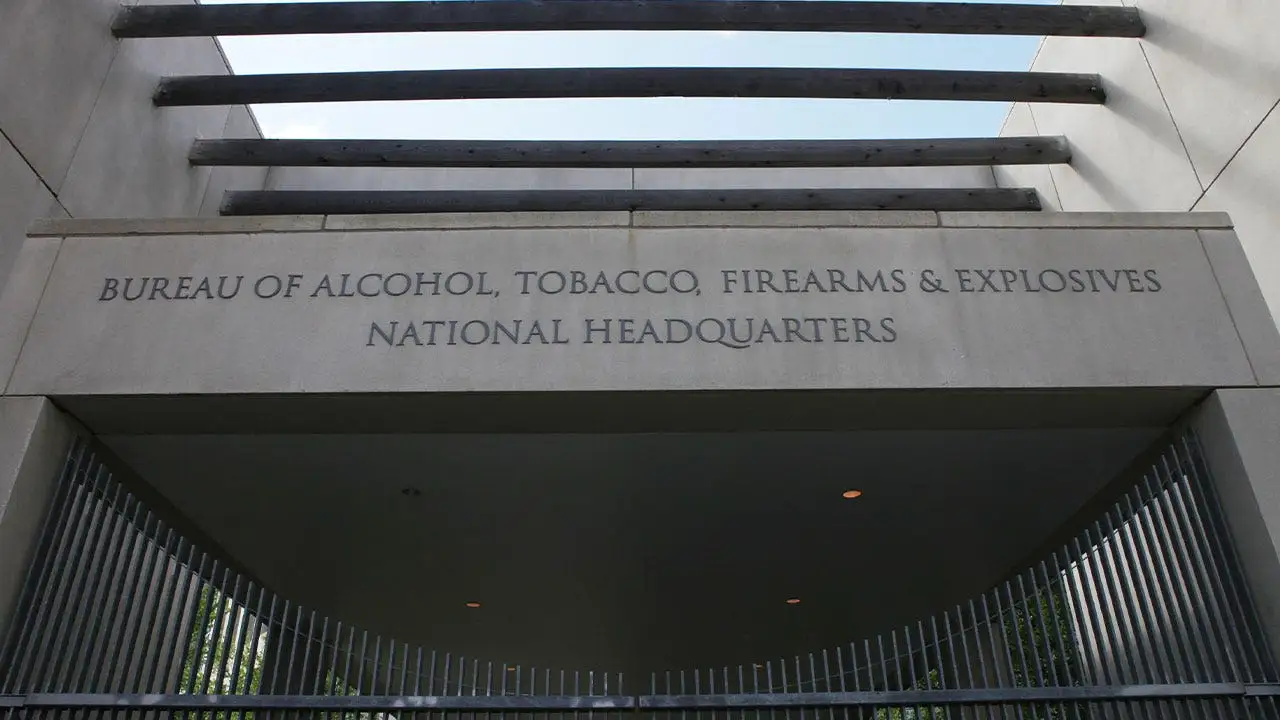
In the hushed, fluorescent-lit corridors of the Federal Bureau of Alcohol, Tobacco, Firearms and Explosives (ATF), the morning of Wednesday began not with the familiar hum of routine administrative work, but with the jarring, urgent blare of a cybersecurity alarm. It is a scenario that sends a chill down the spine of any federal agency, but for the ATF—the guardians of our nation’s firearm regulations, explosive safety protocols, and a veritable vault of highly sensitive law enforcement intelligence—it felt like a digital siege on the very heart of their mission. The agency officially confirmed that they were actively investigating a cybersecurity incident, but this was no mere nuisance attack. The language used in their official statement was deliberate and heavy; top brass within the Department of Justice (DOJ) had formally designated the event as a “major incident” under strict federal guidelines. For the average citizen, the news may have skimmed past their morning coffee, but for security experts, national defense analysts, and anyone who depends on the integrity of federal databases, this headline was a stark, sobering reminder that even the most heavily fortified government institutions are perpetually vulnerable to the relentless tide of malicious digital intruders. The immediate assurance from the ATF was that the affected system was a “standalone” piece of infrastructure, disconnected from the agency’s broader network, yet the very fact that they publicly acknowledged the intrusion hinted at the gravity of the situation unfolding behind closed doors.
But what exactly does the bureaucratic label of a “major incident” entail? In the complex lexicon of United States federal cybersecurity policy, such a designation is not handed out lightly. It signifies that the breach has passed a critical threshold of potential harm, often defined by the potential to compromise national security, jeopardize sensitive intelligence, disrupt critical infrastructure, or cause significant economic damage. For the ATF, the data stored within their systems is profoundly sensitive; they hold firearm trace data that can peel back the origins of weapons used in crimes across the country, information on occupational licensees, details of undercover operations, and the identities of confidential informants whose lives could be endangered by a leak. When senior DOJ officials look at an incident and see this level of risk, they immediately escalate the response, invoking protocols that bring in elite incident response teams, forensic analysts, and top-level coordination across multiple departments. This elevated status means that the standard “wait and see” approach is no longer an option. The fact that the DOJ had to formally intervene and declare this a major incident signals that the initial impact assessment raised immediate red flags, even if the public-facing statements downplayed the blast radius. The human element here is palpable: there are analysts and investigators right now, likely working around the clock, wrestling with the profound anxiety of not knowing exactly what digital crumbs the intruders managed to sweep up before they were detected.
Naturally, within hours of the news breaking, the shadowy world of cybercrime came to the forefront, eager to claim credit for the chaos. Cybersecurity journalism outlets, such as Cybernews, began circulating reports that the notorious Qilin ransomware group had added the ATF to their victim list on their dark web leak site. Qilin, a formidable player in the ransomware-as-a-service ecosystem, is known for its ruthless “double extortion” tactics: they infiltrate a network, exfiltrate a trove of sensitive data, encrypt the systems, and then threaten to publish the stolen files if the ransom isn’t paid. Their appearance on the scene was monitored closely by the breach-tracking service GalaxyWarden, which corroborated that the ATF name had indeed appeared in Qilin’s public-facing shaming portal. However, here lies the crucial nuance of the cybercrime battlefield: claims are cheap, but evidence is frequently scarce. As of the initial reporting, Qilin had yet to provide any concrete proof—no sample files, no specific database excerpts—to substantiate their brazen allegation. Simultaneously, the ATF cautiously refused to officially point any fingers, stating simply that they had not yet attributed the attack to any specific adversary. This leaves a peculiar guessing game for observers. Is Qilin bluffing, seeking to boost their reputation by attaching their name to a high-profile government target? Or are they merely biding their time, curating the stolen data to maximize the shock value of their eventual disclosure? Both scenarios are entirely plausible in the wild west of digital extortion, a world built on equal parts raw technical skill, theatrical intimidation, and outright deception.
Amidst the swirling rumors and criminal braggadocio, the most reassuring detail in the ATF’s statement revolves around the nature of the compromised system itself. They emphasized that it was a “standalone” system—a piece of infrastructure physically or logically isolated from the main enterprise architecture. This is a critical distinction. Federal agencies have learned over the years that network segmentation is not just a best practice; it is a survival tactic. By keeping critical systems like the eForms portal—which processes background checks and firearm purchase approvals—on separate, quilted segments of the network, a hacker gaining access to one machine does not automatically hand them the keys to the entire digital kingdom. The ATF explicitly stated that the incident did not affect the enterprise network, the eForms system, or any other operational databases. The moment the intrusion was discovered, the agency took immediate, decisive action, violently disconnecting the affected infrastructure from the internet to “stop the bleeding” and contain the blast radius. This swift action, known in the industry as “air-gapping,” gives the forensic investigators a clean canvas to analyze the intrusion methods without churn and mutation. While the forensic excavation is ongoing, the ATF offers an ironclad assurance to the public: the core missions of the agency—licensing dealers, conducting firearm traces, responding to bomb threats, and pursuing violent criminals—remain fully operational, completely undeterred by this digital skirmish on the periphery.
Behind the technical jargon and press releases, there is a profoundly human story of resilience and relentless pursuit. The investigation is now a coordinated, multi-agency effort, with the ATF working in lockstep with the DOJ to untangle the digital web left behind by the attackers. Investigators are meticulously tracing command-and-control servers, analyzing malicious code, and cross-referencing the tactics against known threat actors. This incident also casts a spotlight on the broader global war on cybercrime; as a stark coincidence, the DOJ is currently in the news for charging three Russian nationals in connection with a massive $63 million cybercrime scheme that preyed on American citizens. It is a powerful reminder that these attacks are not abstract, faceless phenomena—they are orchestrated by human beings sitting in different time zones, driven by profit, geopolitical motives, or sheer notoriety. For the everyday American, this incident raises unsettling questions: Are my background checks safe? Has my personal information been rifled through? While the ATF’s assurances are clear that operational data is safe, the psychological impact of knowing a federal agency was breached is unsettling. In a move that bridges the gap between the digital and the physical, the ATF is appealing directly to the public. They have solicited any information related to the incident through their tip line, asking concerned citizens to call 1-888-ATF-TIPS (1-888-283-8477). Sometimes, no piece of sophisticated malware can match the power of a human whistleblower.
Ultimately, as the dust settles on this latest flashpoint in the ceaseless war between federal guardians and cyber marauders, what remains is a cautious sense of guarded optimism. The ATF has demonstrated a textbook approach to crisis communication: acknowledge immediately, disclose the severity honestly, quarantine the threat effectively, and reassure the public with clear facts. While no organization can claim absolute immunity from the persistent, evolving threats of the digital age, the response to this attack suggests that the safeguards—network segmentation, rapid incident response, and inter-agency cooperation—functioned precisely as designed to prevent a catastrophe. The Qilin ransomware group, despite their loud proclamation, has yet to substantiate their claim, leaving a lingering mystery regarding the true perpetrators. As investigators continue to sift through binary code and server logs, the nation holds its breath for the next update. For now, the federal machinery of firearms regulation continues to hum, background checks still get processed, and the agents still go after the bad guys. The digital fortress has been scratched, but it has not fallen. In the shadowy, ever-shifting landscape of cyber warfare, this incident serves as a compelling, sobering reminder that vigilance must be eternal, and that even in a world of encryption keys and botnets, the integrity of our institutions rests on the tireless, often invisible, efforts of real people working to keep the lights on.