


# A Chilling Paper Trail: The Case Against Caleb Flynn
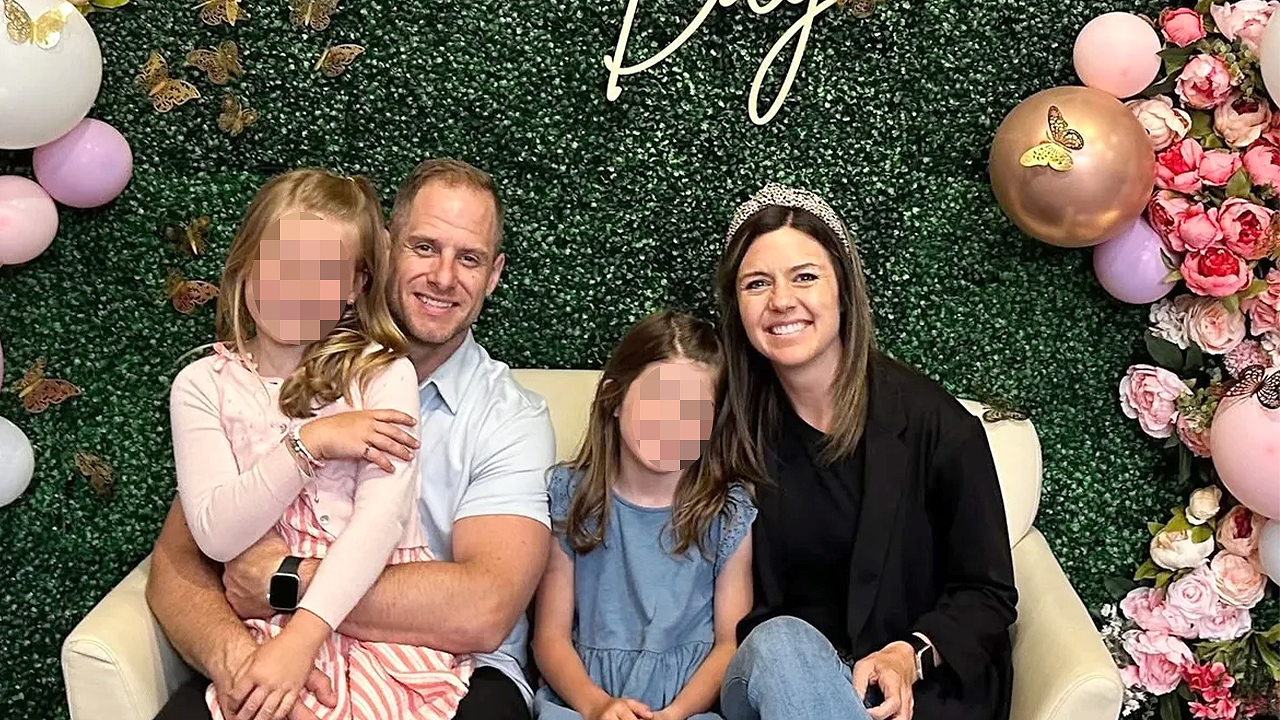
The text message landed with the cold weight of a confession, a window into a soul consumed by darkness. “I was up until 4 a.m. last night crying, literally trying to think of ways to kill her and not go to jail,” Caleb Flynn allegedly wrote to his mistress. That message, prosecutors say, was not merely the idle venting of an unhappy husband but a disturbing glimpse into the calculated mind of a man who would allegedly murder his wife just months later. Flynn, a former “American Idol” contestant, now sits in an Ohio courtroom facing aggravated murder charges for the death of his wife, Ashley Flynn, who was shot twice in the head inside their Tipp City home on February 16. What has unfolded in the Miami County courtroom is a tragic saga of betrayal, secret love, and cold-blooded planning—a story that pits the public image of a devoted husband against the private reality of a man allegedly desperate to free himself from his marriage at any cost.
At the heart of the prosecution’s case is a staggering digital fingerprint: more than 100,000 text messages exchanged between Flynn and his mistress over the year leading up to Ashley’s death. These messages, prosecutors argue, paint a vivid portrait of escalating hatred, resentment, and a chilling premeditation that exposes Flynn’s true feelings toward the woman he once promised to love for a lifetime. Miami County Prosecutor Paul Watkins presented these exchanges during opening statements, painting a picture of a man who had been secretly carrying on an affair while maintaining the facade of a happy marriage to the outside world. The messages were not uniform in their timing—some were sent months apart, while others came just hours before Ashley was killed—but they shared a consistent thread of venom and longing. Flynn repeatedly expressed his hatred toward his wife and his desperate desire to escape the bonds of marriage so he could pursue a future with his mistress. The sheer volume of communication, and the intensity of the words contained within, formed what the prosecution described as the definitive motive: a man willing to destroy everything to be with someone else, even if it meant destroying his wife to do so.
Among the thousands of messages introduced as evidence, one in particular stood out to legal experts as potentially the most damaging. Fox News legal analyst Josh Ritter highlighted a message sent the day before Ashley’s killing, in which Flynn allegedly indicated that the following day would be one he would never forget, and that he would make a choice—his choice—for his mistress. “If we were curious at all about how the prosecution would attempt to prove motive in this case, it became abundantly clear during opening statements,” Ritter said during an appearance on “Fox & Friends Sunday.” The notion that Flynn was essentially telegraphing his intentions in advance, warning his mistress that something momentous was about to happen, adds a layer of chilling premeditation to the case. These are not the words of a man struggling with grief or caught in the crossfire of a random home invasion; they are the words of someone who had made a decision and was preparing to carry it out, step by calculated step, regardless of the consequences.
The night of the murder itself was, according to prosecutors, an elaborate piece of theater orchestrated by Flynn to cover his tracks. After allegedly shooting Ashley twice in the head with a 9mm handgun inside their home, Flynn staged the scene to look like a violent break-in, complete with signs of forced entry and disarray. He then called 911, and the audio of that call—previously obtained by Fox News Digital—captured a man in apparent distress, his voice cracking with panic as he cried, “Oh my god, somebody broke into my home, somebody broke into my home and shot my wife.” He described the scene in graphic detail: “My wife, she’s got two shots to her head, there’s blood everywhere. Oh my god, oh my god, oh my God.” On Friday, jurors were shown police bodycam footage from inside the Flynn home on the night of the killing, as the first officers to arrive on the scene testified about their initial observations. The footage reportedly showed Flynn repeating his story to officers, explaining that he had fallen asleep and been jolted awake by the sounds of a break-in followed by gunfire. But investigators began to notice inconsistencies in Flynn’s account, holes that would eventually widen into the chasm of suspicion that now surrounds him.
The investigation itself was extensive, a methodical hunt for corroboration that ultimately undermined Flynn’s narrative. An FBI agent testified that investigators canvassed more than 80 homes in the neighborhood, searching for security cameras or any other evidence that might support Flynn’s claim that a mysterious intruder had been lurking in the area that night. They found nothing—no footage, no witnesses, no sign that anyone had been near the Flynn residence other than the couple themselves. This absence of evidence was powerful in its implications. The defense, however, urged the jury not to jump to conclusions. Defense attorney Emily Smith acknowledged the affair during opening statements but argued that Flynn’s infidelity, while morally reprehensible, does not constitute proof of murder. Smith contended that prosecutors were building their case on a foundation of circumstantial evidence and speculation, urging jurors to demand more substantial proof before convicting a man of such a serious crime. She reminded them that Ashley Flynn deserved justice, but that justice must be rooted in fact, not suspicion, no matter how damning the circumstances might appear.
Caleb Flynn’s public persona made the allegations all the more surreal to those who knew him through the lens of reality television. He was a contestant on “American Idol,” and his hometown interview in 2013 was a masterclass in charm and devotion. “I absolutely love the Lord. I love my wife more than anything. She is very, very pretty… I love her,” he told the cameras, his eyes full of the earnest sincerity that television producers love. The footage, now a tragic time capsule, serves as a heartbreaking counterpoint to the proceedings in the courtroom. When balanced against the allegations, it reveals a man who was apparently living a double life—one that allowed him to publicly declare his undying love for his wife while privately plotting her demise. As the trial continues, with jurors expected back in court Monday, the weight of the evidence hangs heavy in the air. Legal analyst Josh Ritter noted that the defense seems to be positioning itself around the idea that investigators rushed to judgment, but he acknowledged the difficulty of overcoming the mountain of digital evidence. “But given that abundance of digital evidence, I think they’re going to have a really tough time proving, or trying to create any kind of reasonable doubt in this case,” Ritter said. For the friends, family, and community members who packed the courtroom, the proceedings are more than just a legal battle; they are a reckoning with the dark capacity for betrayal that lurks behind closed doors—a reminder that sometimes the most dangerous place for a person is in the home of the one who claims to love them most.