





Fox News First: Your Morning Briefing for Wednesday
Good morning and welcome to another edition of Fox News First, your essential morning briefing designed to bring you up to speed on the most critical stories shaping our world today. As the sun rises on a new day, we’re here to cut through the noise and deliver the news that matters most to you, your family, and your community. From the halls of power in Washington to the front lines of cultural debates, from the latest developments in politics and policy to the stories that will have everyone talking at the water cooler, we’ve gathered the headlines that need your attention. So grab your morning coffee, settle in, and let us walk you through the day’s most pressing stories with the depth, context, and clarity you’ve come to expect from Fox News. The world is moving fast, and we want to make sure you’re fully equipped to navigate it.
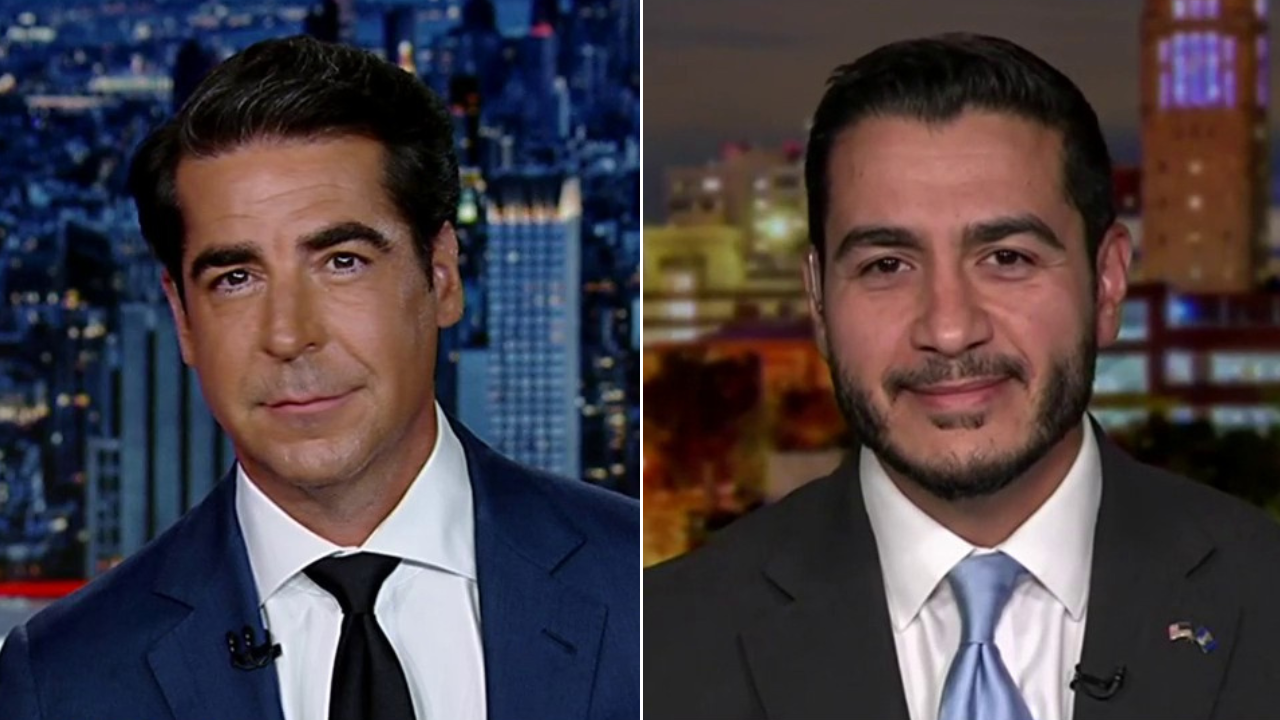
In today’s top story, tensions are flaring as Abdul El-Sayed, a progressive figure with significant political ambitions, found himself in a heated exchange with Fox News host Jesse Watters over a range of contentious topics including billionaires and Sharia law. The interview, which was described as “tense” by observers, covered ground that highlights the deep ideological divisions currently animating American politics. El-Sayed, who has positioned himself as a champion of progressive causes, pushed back against what he characterized as mischaracterizations of his positions, while Watters pressed him on issues that have become flashpoints in the broader national conversation. The exchange touched on economic inequality, the role of wealth in American society, and questions about religious law and its place in public life. This confrontation comes at a time when figures like El-Sayed are seeking to expand their influence within the Democratic Party, and the interview underscores the challenges that progressive candidates face in communicating their vision to a broader audience. The back-and-forth serves as a microcosm of the larger political debates that continue to shape our national discourse, as both sides struggle to find common ground on issues where compromise often seems elusive. Meanwhile, in a related development, a museum with connections to the Smithsonian, located in El-Sayed’s own backyard, has come under scrutiny for its portrayal of America’s response to the September 11 attacks. Critics argue that the institution’s framing of the post-9/11 era constitutes an unfair trial of America’s actions in the decades since that tragic day. The museum’s exhibits have reportedly raised eyebrows among those who believe that the presentation of history should reflect a more balanced perspective on the country’s response to terrorism. Defenders, however, maintain that the museum is simply presenting a comprehensive look at a complex period in American history. This controversy raises important questions about how we remember and interpret traumatic national events, and whether institutions tasked with preserving history should prioritize patriotic narratives or strive for more nuanced examinations. The debate reflects a broader cultural struggle over the ownership of historical memory and the lens through which future generations will understand America’s recent past.
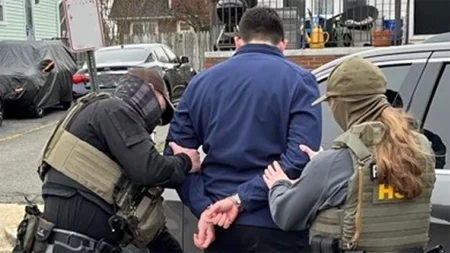
In other news making waves across the nation, a Democratic mayor is facing intense criticism over what some are calling an “unhinged” decision to pursue legal action against property owners who have been leasing their buildings to federal immigration enforcement agencies. The move, which critics describe as “hunting down” those who do business with agencies tasked with enforcing immigration laws, has ignited a firestorm of controversy in a community already divided over immigration policy. Supporters of the mayor’s action argue that local officials have a responsibility to protect immigrant communities from what they perceive as aggressive federal enforcement tactics. Opponents, however, contend that such measures undermine public safety by obstructing federal law enforcement and creating an atmosphere of hostility toward those who cooperate with government agencies. The situation highlights the ongoing tension between local and federal authority on immigration matters, a conflict that continues to play out in communities across the country. As legal challenges loom and political pressure mounts, this story serves as a reminder of the complex, often contentious nature of immigration policy in America and the very real consequences that policy decisions have for communities, businesses, and families caught in the crossfire.
Turning to our major headlines from around the world, we’re following several stories that deserve your attention. Out of bounds comes word that Enes Kanter Freedom, the outspoken former NBA player known for his political activism, has exposed what he describes as a “profane tirade” from WNBA player Natasha Cloud following her ejection from a recent game. The incident has sparked discussion about sportsmanship and the conduct of professional athletes in moments of frustration, with Freedom’s decision to highlight the exchange adding another layer to the ongoing debate about political expression in sports. On the gridiron, the owner of the San Francisco 49ers finds himself in hot water after being caught up in an undercover stinging operation near a trailer park in Ohio. The $140 prostitution sting has become a major embarrassment for the NFL franchise and raises questions about the personal conduct of those who own and operate America’s most beloved sports institutions. In economic news, tensions between the United States and Canada are escalating as the Great White North gears up for potential retaliation following President Trump’s decision to impose 50% tariffs on Canadian goods. The trade dispute threatens to disrupt the deeply integrated economic relationship between the two nations and could have ripple effects across North American supply chains. And on the international security front, experts are pointing to signs that Russian President Vladimir Putin may be “panicked” as Ukraine’s military operations push deeper into Russian territory. The shifting dynamics of the conflict suggest that the war, now in its second year, is entering a new and potentially decisive phase. Closer to home, a doctor has been accused of shooting two young sisters in a violent road rage incident, a story that has shocked the medical community and raised concerns about the seemingly increasing incidence of aggressive behavior on America’s roadways.
In political news, the 2028 presidential race is already beginning to take shape, and nowhere is that more evident than in the growing tension between California Governor Gavin Newsom and Transportation Secretary Pete Buttigieg. Newsom’s allies have been taking shots at Buttigieg following his recent visit to South Carolina, with critics describing the attacks as a “bad look” for the governor. The maneuvering suggests that both men are positioning themselves for a potential run at the White House in 2028, even as the current administration continues its work. The early jockeying highlights the competitive nature of Democratic politics and the reality that ambitious politicians are always looking toward the next race. Speaking of ambitious politicians, a rising Democratic candidate with ties to the Democratic Socialists of America is drawing attention and criticism from Republican representatives who question both her ideology and her intelligence. The GOP lawmaker’s dismissal of the candidate as “either a bona-fide socialist, or she’s not very smart” represents the kind of rhetoric that is likely to characterize this election cycle as both parties seek to define their opponents in the most unfavorable terms possible. On the Republican side, President Trump’s endorsement power is facing a critical test in upcoming runoff elections in Oklahoma and South Carolina. These races will provide valuable data points about the former president’s continued influence within the Republican Party and whether his backing is still golden among conservative voters. The outcomes could have significant implications for the direction of the GOP as it navigates the post-Trump era while still dealing with Trump’s outsized presence in the party’s affairs. As these stories develop, we’ll continue to bring you the latest updates and analysis from our team of political correspondents and commentators.
In the media world, several stories are generating buzz and controversy. A Democratic figure has launched a scathing attack on popular streamer Hasan Piker, calling him a “hack who thrives on hate” after Piker issued what critics describe as a warning to American Jews about Israel. The exchange highlights the increasingly contentious nature of discussions around Israel and Jewish identity in American politics, particularly among younger, more left-leaning demographics. The Washington Post has been ordered to reinstate a columnist who was removed from the paper following an incident related to conservative activist Charlie Kirk. The reinstatement order raises important questions about editorial independence, the pressures facing news organizations, and the sometimes murky boundary between editorial decisions and external influence. In entertainment news, the director of the beloved “National Treasure” franchise has predicted that the upcoming third film in the series won’t be able to “ignore” politics. This acknowledgment reflects the reality that even escapist entertainment is increasingly being pulled into the political fray as audiences and creators alike grapple with the pressing issues of our time. And in a story that touches on the intersection of faith and politics, the pastor who spoke at President Trump’s inauguration has warned that Christians in Dearborn, Michigan — a city with a significant Muslim population — are “afraid to talk about Christ.” The pastor’s comments shine a light on the challenges facing religious communities in an increasingly multicultural America and the tensions that can arise between religious freedom and community harmony. These stories, taken together, paint a picture of a media landscape that is more politically charged and culturally contested than ever before, where even the seemingly apolitical realms of entertainment and religion are being drawn into the broader culture wars that define our era. The debates playing out in these arenas are not merely academic — they have real consequences for how we understand ourselves as a nation, how we treat one another, and what values we choose to uplift in our public life.
In opinion and commentary, our featured writers offer sharp perspectives on the issues of the day. Liz Peek examines the international implications of domestic political battles, arguing that China is cheering as the left works to block America’s AI infrastructure development. Her column raises important questions about the intersection of domestic politics and international competitiveness, and whether internal divisions are hampering America’s ability to lead in emerging technologies. Bruce Pearl, meanwhile, makes the case that conservatives are attacking the very college sports bill that protects women athletes — a counterintuitive argument that complicates the usual partisan alignment on this issue. Pearl’s piece is sure to generate discussion and debate among readers who may hold strongly held positions on both sides of this contentious issue. Our opinion section continues to provide a platform for diverse viewpoints and robust intellectual engagement with the most pressing issues facing the nation, and we encourage our readers to engage with these pieces critically and thoughtfully. Whether you agree or disagree with the arguments presented, we believe that wrestling with challenging ideas is essential to being an informed citizen in a democratic society. The give-and-take of ideas, the clash of perspectives, and the free exchange of viewpoints are foundational to American democracy, and we’re proud to provide a forum where those exchanges can take place in a respectful and substantive manner. As we move through the day, we’ll continue to bring you the latest news, analysis, and commentary from around the country and around the world, keeping you informed and empowered to engage with the issues that matter most. Your trust is our most valuable asset, and we remain committed to delivering journalism that you can rely on, presented with the professionalism and integrity you’ve come to expect from Fox News. We’ll see you back here tomorrow morning with another comprehensive briefing designed to keep you ahead of the curve, and until then, we wish you a productive and informative day ahead.