





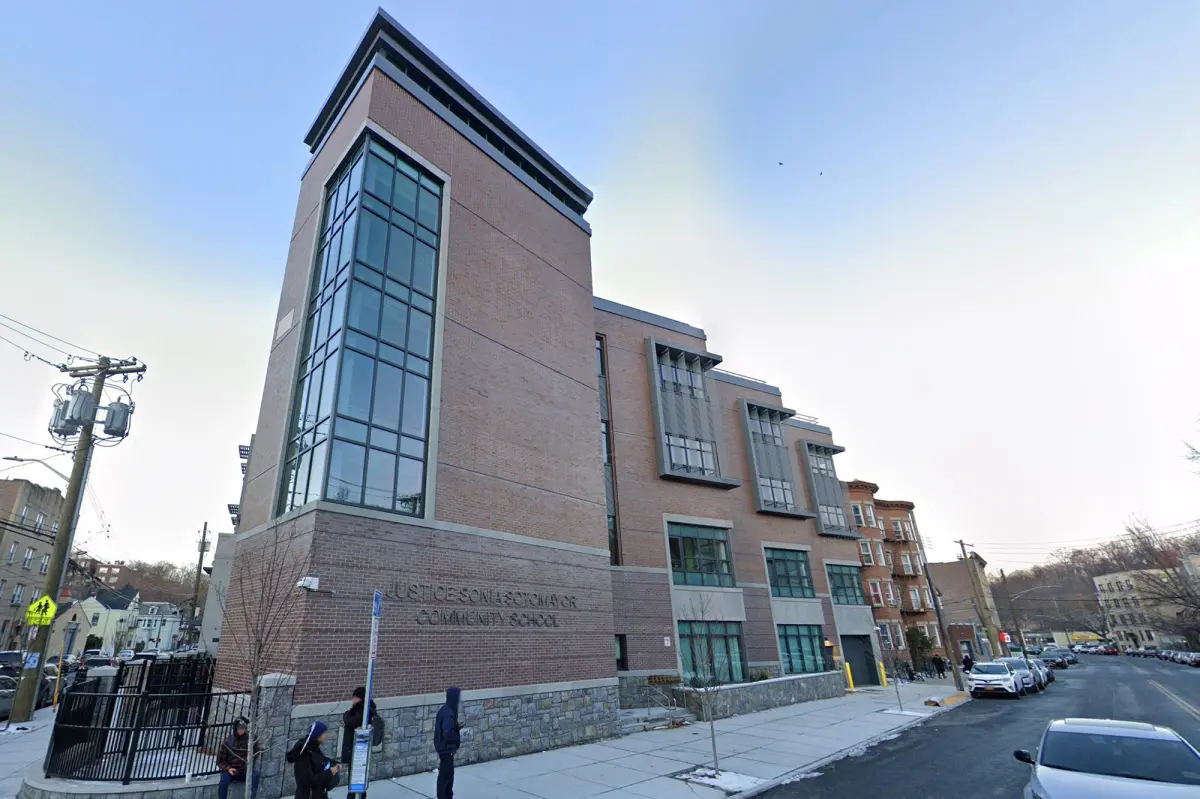
The classrooms and corridors of the Justice Sonia Sotomayor Community School in Yonkers, New York, are typically defined by the vibrant, energetic, and sometimes chaotic rhythm of adolescence. It is a place where young minds discover their potential, form lifelong friendships, and navigate the delicate transition from childhood to the cusp of their teenage years. On what began as a completely ordinary Wednesday morning, the sixth-grade classrooms were filled with the familiar sights and sounds of the school week: students organizing their backpacks, sharing locker-side jokes, preparing for upcoming quizzes, and eagerly whispering about their plans for the approaching afternoon. But around 11:40 a.m., this comforting, mundane routine was violently and permanently shattered by a sudden medical emergency that would change the school community forever. A twelve-year-old boy, whose life was only just beginning to expand with all the curiosity, hope, and vulnerability of youth, suddenly began to choke and rapidly became unresponsive inside the school building. In an instant, a standard school day—normally structured around lesson plans, recess, and the safe predictability of the classroom—metamorphosed into a scene of absolute, heart-stopping terror. The abrupt shift from the lively chatter of a middle school lunch hour to the frantic, panicked cries for help from school staff served as a devastating reminder of how quickly a community’s sense of safety can be dismantled. This tragic event exposed the raw, fragile thread upon which human life hangs, casting a shadow of profound disbelief across the school and leaving classmates, who only moments prior had been laughing alongside their peer, to witness a level of trauma that no child should ever have to confront.
In the agonizingly tense minutes that immediately followed the onset of the choking emergency, the school’s emergency protocol was thrust into motion with a mixture of panic and desperate hope. Teachers, school nurses, and administrative staff rushed to the boy’s side, their professional boundaries dissolving into pure instinct as they attempted to clear his airway and perform basic life-saving measures. When the first responders arrived shortly after, the weight of the situation was immediately apparent on their faces as they took over treatment, administering cardiopulmonary resuscitation with an intense, quiet focus. Sirens wailed through the streets of Yonkers as the ambulance rushed the twelve-year-old under emergency lights to nearby St. Joseph’s Hospital, where a dedicated team of trauma doctors and emergency physicians stood ready to engage in their own battle to save his life. Meanwhile, back at the school, an anxious, heavy silence enveloped the building, with teachers doing their best to comfort crying students while secretly harboring their own terrifying doubts about the boy’s survival. Despite the exhaustive, high-stakes medical interventions carried out on-site and in the emergency department, the race against time was ultimately and tragically lost. The young boy was pronounced dead shortly after arriving at the hospital, formalizing a reality that seemed too cruel to comprehend. The announcement of his death sent invisible shockwaves back to the campus and throughout the wider medical community, leaving seasoned emergency personnel, who routinely deal with life-and-death situations, visibly shaken by the sudden loss of a life that had so much potential left to give.
As the immediate shock of the tragedy began to settle into a cold, heavy sadness, local authorities and school officials were left with the painful task of investigating how a simple school day could lead to such a catastrophic end. Yonkers police quickly launched an investigation into the precise nature of the choking incident, with initial reports from news outlets like News 12 suggesting a deeply modern and troubling angle: the possibility that a viral social media trend known as the “One Bite” TikTok challenge had played a role in the boy’s death. Citing sources close to the investigation, reports indicated that the student might have been attempting to consume a donut in one single, rapid motion to emulate the popular online challenge. This alarming detail introduced an extraordinarily painful layer of contemporary tragedy to the situation, highlighting the pervasive, often invisible hazards of the digital age. Today’s youth grow up in a hyper-connected world where online validation, algorithmic trends, and the desire to fit in can push children to make split-second decisions without any comprehension of the permanent, lethal consequences. What might appear to an innocent twelve-year-old as a harmless, funny dare to share with peers can transform in a matter of seconds into an irreversible physical danger. While a formal confirmation from the Yonkers Police Department was not immediately returned, the mere possibility that a viral internet trend could infiltrate the physical safety of a school cafeteria and claim a child’s life serves as a terrifying wake-up call, emphasizing the tragic disconnect between online validation and physical vulnerability.
In the shadow of this catastrophic loss, school administrators and local leaders immediately focused their efforts on holding together a deeply traumatized community. Yonkers Public Schools Superintendent Anibal Soler, Jr. released a moving and deeply compassionate statement, acknowledging the immense psychological toll the tragedy had taken on the entire school district. Rather than speaking merely as an official, Soler addressed the emotional heart of the crisis, stating that as police continue to investigate the nature of the medical emergency, the school system’s singular focus remains on caring for the classmates, teachers, and staff who are currently in terrible, overwhelming pain. The school was transformed from an instructional center into a place of collective mourning and emotional refuge, with grief counselors, social workers, and psychological response teams deployed to help process an event that defied adolescent logic. The empty desk in the sixth-grade classroom became a silent, heart-wrenching focal point, a stark physical monument to a classmate who would never walk through those doors again. For the educators who had welcomed this bright young soul into their classrooms every morning, the duty of returning to teach while fighting back their own tears was a monumental challenge. The school system’s immediate, tender response demonstrated a profound understanding that the emotional wounds inflicted by a peer’s sudden death require continuous, careful, and deeply human support to even begin the long, rocky journey toward healing.
The ripples of grief quickly spread beyond the school’s physical walls, reaching the highest offices of city leadership and touching the heart of every parent in the Yonkers community. Mayor Mike Spano gave voice to this collective anguish in a raw public statement, describing the loss of the young student as absolutely heartbreaking and calling the death of a child every single parent’s worst, most terrifying nightmare. Mayor Spano’s words bypassed political rhetoric to speak directly from a position of shared parental empathy, noting that the entire Yonkers community is actively grieving alongside this student’s parents, siblings, relatives, classmates, and teachers. This public acknowledgement of pain unified a diverse city in shared sorrow, reminding residents of the unspoken vulnerability that all families share when they send their children off to school in the morning. A school is supposed to be a sanctuary, a place where parents can entrust their children to the care of others with the absolute confidence that they will return home safely at the end of the day. When that expectation is shattered, it leaves a hollow, terrifying sensation in the hearts of mothers and fathers who are suddenly forced to confront the absolute fragility of life. The outpouring of community support, online tributes, and local vigils showed a city banding together to support a family facing an unimaginable void, demonstrating that while words cannot take away the sting of such a catastrophic loss, a community’s collective love can help bear the heavy weight of the burden.
As the days turn into weeks and the immediate news coverage of this tragedy inevitably begins to fade, the lessons, the warnings, and the profound sadness of this loss must remain at the forefront of our collective consciousness. This tragedy demands that we reevaluate the silent influence of digital media on our children, urging parents, educators, and technology developers to engage in more active, open conversations about the dangers of online challenges and peer pressure. But more than anything, the memory of this twelve-year-old sixth grader must be honored not just as a cautionary tale, but as a cherished human life that was deeply loved and deserves to be remembered for the joy he brought to his family and friends. The road ahead for his mother, father, and siblings is a dark, unfathomably painful journey of learning to live with an empty chair at the dinner table and a future forever stripped of his milestones, his laughter, and his potential. No family should ever have to walk this path of mourning alone, and it is the responsibility of the Yonkers community and the public at large to continue wrapping them in comfort, patience, and unwavering solidarity. In remembering this young boy, we are forcefully reminded of the supreme value of every single moment we have with our children, the critical importance of keeping our schools safe, and the enduring human duty to watch over one another with a gentle, protective grace that safeguards the innocence of youth.