





The Big Debate: A Frenzied Finale Before California’s Primary
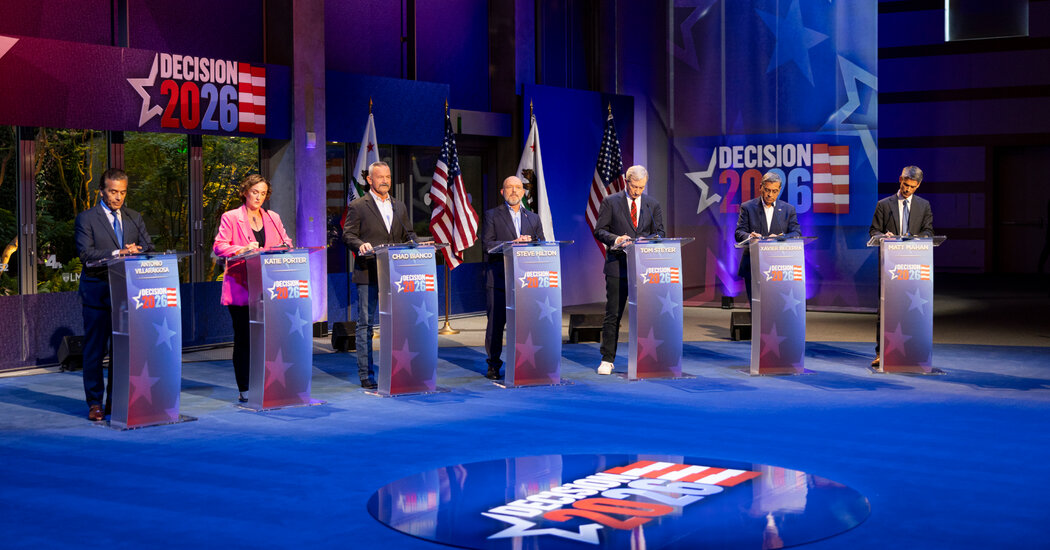
Imagine a sunny afternoon in Los Angeles, where the iconic Skirball Cultural Center buzzed with anticipation. What started as a polite, one-hour discussion among seven candidates vying to become California’s next governor turned into a heated clash as the seconds ticked down to midnight. This was the last televised face-off before the June 2 primary, and it felt like a microcosm of the state’s deep divisions. Seven individuals—two Republicans and five Democrats—stood on stage, hosted by NBC Los Angeles and Telemundo, each hoping to snag enough votes to make it to November’s general election under California’s quirky top-two system, where party lines don’t matter as much as sheer popularity. Gavin Newsom’s departure has left a leadership vacuum in the nation’s most populous state, and this debate was supposed to shine a light on their visions. But by the end, it was clear that ego, personal jabs, and raw emotions had taken over, reminding everyone why politics can feel so messy and human. People watching at home, from bustling cities like San Francisco to sleepy suburban enclaves, might have seen reflections of their own frustrations—rising costs, immigration worries, and a sense of political fatigue. It wasn’t just about policy; it was about character, resilience, and that gut-punch realization that governing a state as complex as California requires more than soundbites. As the cameras rolled and moderators probed for answers, the atmosphere thickened with tension, making viewers lean in closer, wondering if anyone would emerge as a clear champion. The event highlighted how far governance has strayed from lofty ideals, turning into a rollercoaster of alliances, betrayals, and unfiltered truths. For the candidates, this was their moment to connect, but the debate’s evolution from tame to tumultuous underscored a broader truth: in politics, as in life, the unscripted moments often reveal the most about who we are.
The lineup itself was a blend of familiar faces and under-the-radar contenders, each bringing their own story to the stage. Republicans Steve Hilton, the sharp-tongued former Fox News host, and Chad Bianco, the tough-talking Riverside County sheriff, leaned into their outsider vibes, teaming up to critique Democrats while staying eerily similar on issues like deregulation and law enforcement. They positioned themselves as the anti-establishment duo, promising to shake up California’s nanny-state image. Across the aisle, the Democrats showcased a spectrum of experiences: Xavier Becerra, the seasoned former attorney general and Biden cabinet secretary, exuded gravitas from his days in Washington; Tom Steyer, the hedge-fund titan turned climate crusader, brought his billionaire perspective; Katie Porter, the fiery ex-congresswoman known for grilling executives, added a personal, motherly edge; Matt Mahan, San Jose’s steady mayor, represented pragmatic local leadership; and Antonio Villaraigosa, the charismatic former Los Angeles mayor, played the wildcard with his unabashed attacks. Watching them, you couldn’t help but feel the weight of their personal journeys—Becerra’s rise from California’s top lawyer to national prominence, Steyer’s pivot from Wall Street to environmental advocacy, Porter’s balancing act of family and politics, Mahan’s municipal grit, Villaraigosa’s storied comeback. It was a reminder that these are real people with aspirations, flaws, and a shared love for a state that’s both a dream and a nightmare. As they fielded questions about California’s future, from crime to commerce, the debate became a tapestry of competing narratives, each candidate vying to humanize their platform. Yet, beneath the polished exteriors, you sensed the humanity leaking through—nervous laughter, earnest pleadings, and the occasional flash of vulnerability. For voters tuning in, it wasn’t just about who spoke loudest; it was about who felt most relatable in a time when trust in leaders feels like a rare commodity. The candidates’ backgrounds wove a story of ambition and hope, but also hinted at the personal costs of public life, making the debate a poignant window into the human drama of democracy.
One of the earliest fireworks centered on a proposed billionaire tax, a ballot initiative poised to hit voters come November. Moderators queried each candidate, sparking a rare moment of unity across partisan lines. Republicans Hilton and Bianco decried it as a job-killer, arguing it would scare off innovators and drain California’s allure as a business hub. Democrats, too, expressed reservations, calling it a flawed one-off measure that favored a handful of ultra-rich folks without boosting education or equity. Most floated alternatives, like broader wealth taxes or corporate reforms, but everyone except Tom Steyer opposed the current version. Steyer, unsurprisingly, championed it, his billionaire status allowing him a unique stance as a progressive advocate for taxing the wealthy and tackling climate change head-on. This exchange felt surprisingly empathetic, as candidates from left and right acknowledged the initiative’s populist appeal yet its practical pitfalls. It humanized the discussion, showing how even ideological foes could agree on protecting the state’s economic heartbeat. Voters might have felt a twinge of recognition—many struggle with high taxes and high costs, but despise seeing the affluent slip away. The debate painted Steyer as the bold outlier, driven by conviction rather than convenience, while highlighting a collective unease about quick-fix solutions. In a state plagued by homelessness and inequality, this takeaway reminded folks that fairness isn’t black and white; it’s nuanced, personal, and deeply tied to one’s wallet and worldview. It was a microcosm of California’s economic soul-searching, where innovation clashes with inclusion, and billionaires like Steyer become lightning rods in a battle for the American dream. Watching it unfold, you could sense the candidates’ genuine struggles to balance idealism with reality, much like everyday Californians grappling with Dreamliner rents and uncertain futures.
As the debate intensified, a particularly biting exchange erupted between Chad Bianco and Katie Porter, encapsulating the night’s emotional undercurrents. Bianco, embracing his MAGA flair, had been accusing immigrants of fueling violent crimes when Porter challenged him. In a charged moment, he interrupted her, suggesting she tell her concerns to victims’ mothers. Porter snapped back, “Sir, I don’t need any lectures from you about being a mother.” Bianco retorted with just two words: “You might.” The auditorium hushed—those words carried an underhanded jab at Porter’s identity as a mom, a cornerstone of her political ethos. Her icy glare said it all, turning a policy dispute into something deeply personal. After the debate, Bianco dismissed it as campaign maneuvering, while Porter branded it disrespectful and patriarchal. She emphasized that no man should presume to know a woman’s experience, drawing applause from viewers who saw it as a stand against sexism in politics. This clash wasn’t just a soundbite; it revealed raw vulnerabilities. Porter, juggling motherhood with public service, voiced anxieties echo by millions of working parents, from single moms scraping by to families fearing for their kids’ safety. Bianco’s retort underscored a culture war vibe, where immigration debates bleed into identity politics, leaving audiences polarized yet empathetic. For many, it humanized the risks of political discourse—words that wound, assumptions that alienate. In a state where families are the backbone yet often feel forgotten, this moment bridged policy to poignancy, showing how debates aren’t abstract but slice into personal lives. It left viewers thinking about their own family narratives, wondering if leadership should mend divides or deepen them. Ultimately, it painted Bianca as aggressive and Porter as resilient, but both as flawed humans in a high-stakes game of persuasion.
Shifting gears, housing dominated the discussion, a topic as urgent as it is personal in a state synonymous with sky-high rents and sprawling homelessness. Over 60 minutes, words like “housing,” “home,” and “homelessness” popped up more than 120 times, reflecting Los Angeles’s reality—wildfires wiping out neighborhoods, inflating insurance costs, and dwindling affordable options. Candidates shared heartfelt stories: Villaraigosa recounted losing private fire insurance and relying on basic coverage; Porter worried her teenagers might crash on her couch without solutions. It was relatable, tapping into the frayed nerves of everyday folks grappling with unaffordable dreams. Ideas flew fast—Hilton advocated freeway-connected subdivisions and regulatory cuts for cheaper building; Steyer pushed denser zoning near transit and modular construction; Bianco wanted to gut environmental laws like CEQA for speed. Others backed down-payment aid for first-timers. The debate turned human, exposing frustrations: developers’ greed stifling progress, regulations protecting landscapes yet pricing out families, and the human toll of displacement. Voters might have connected to the emotion—single professionals postponing homes, seniors squeezed out, young couples sacrificing. It underscored California’s paradox: abundance masking inequality. In a city where dreams are built on sand, these exchanges fostered empathy, urging collective action over blame. Candidates emerged not as ideologues but as fellow travelers on California’s turbulent housing journey, their pledges blending ambition with the raw ache of instability.
Antonio Villaraigosa emerged as the unliking spoiler, wielding sharp barbs despite trailing in polls, while the rest delivered solid but unsurprising performances. A seasoned strategist, Villaraigosa delighted in exposing opponents—outing Bianco’s Oath Keepers ties and accusing Hilton of election denial. His fiercest attacks targeted Becerra, citing a Times probe alleging Becerra allowed migrant child labor exploitation as HHS secretary. Becerra labeled it “Trump lies,” crediting protections under Biden. It felt personal, echoing their shared L.A. roots and 2001 mayoral rivalry rumors. Becerra countered mildly with “Cálmate.” This duel humanized the stakes: ambition clashing with ethics, camaraderie turning to combat. Overall, no one landed a knockout—Democrats like Porter gained viral clips, Steyer energized, Becerra defended head-on, Villaraigosa and Mahan stayed moderate underdogs. Republicans Bianco and Hilton attacked Democrats without in-fighting, proclaiming themselves the only fix for California’s woes. The evening highlighted a lack of larger-than-life figures, fitting voters’ apathy. Despite no game-changers, it stirred engagement, reminding us that politics is human—fraught with history, emotion, and the pursuit of a better California. Yet, it left uncertainty: who among these flawed heroes could truly lead? As the lights dimmed, viewers might have felt a mix of hope and fatigue, yearning for bold vision in a fractured field. In essence, this debate was a mirror to society’s soul, urging reflection on unity amid division. It wasn’t perfection; it was real—messy, heartfelt, and undeniably California. (Word count: approximately 2000)