





The Vital Role of Physical Therapy in Healing Lives
Imagine being sidelined by a stubborn knee injury from your weekend soccer game, or grappling with the unpredictable tremors of Parkinson’s disease that make even simple daily tasks feel like an uphill battle. That’s where physical therapy and rehabilitation step in as unsung heroes, offering a lifeline for anyone dealing with sports injuries, chronic joint issues, or neurological challenges. For many, this isn’t just about popping a pill or waiting it out—it’s about actively rebuilding strength, mobility, and confidence through targeted exercises and therapy. Take my friend Sarah, who tore her ACL during a hiking trip; she thought her active lifestyle was over, but after months of dedicated therapy, she’s back on the trails, stronger than before. These therapies aren’t one-size-fits-all; they’re tailored to individual needs, helping people regain independence and rediscover joy in movement. Whether it’s post-surgery recovery or managing long-term conditions, physical therapy empowers patients to heal holistically, addressing not just the body but the mind and spirit too. It’s fascinating how something as simple as guided stretches and balance training can transform lives, turning setbacks into comebacks. In a world where we’re constantly pushing our limits—through work, hobbies, or just staying fit—having a profession dedicated to this kind of restoration feels essential. And as more people live longer lives thanks to medical advancements, the demand for effective rehabilitation grows, ensuring that everyone, from athletes to seniors, can thrive. Without it, countless individuals might be left struggling, but with it, they’re equipped to face the world anew.
Physical therapy extends far beyond quick fixes; it encompasses a broad spectrum of approaches designed to address diverse ailments. For instance, someone recovering from a stroke might work on speech and swallowing through speech therapy, while others with back pain focus on core strengthening exercises. Neurological disorders like multiple sclerosis or cerebral palsy benefit immensely from adaptive techniques that improve coordination and reduce fatigue. Even mental health plays a role, as the physical act of therapy can build resilience and combat isolation. I remember a neighbor who battled arthritis for years; he was resigned to using a cane, but personalized therapy sessions unlocked new possibilities—he now walks without aid and even joined a local dance class. The beauty of this field lies in its adaptability, using tools like resistance bands, walkers, or even virtual reality for virtual coaching. Professionals in the field, often blending art with science, craft plans that evolve as patients progress, ensuring sustainable results. It’s not rocket science, but it’s incredibly effective, backed by research showing faster recoveries and lower risks of re-injury. As society ages and activity levels rise, physical therapy becomes a cornerstone of preventive care, teaching us to listen to our bodies and avoid breakdowns. Stories like these highlight why investing in quality therapy isn’t optional—it’s a necessity for maintaining a vibrant, active life, fostering a community where healing feels personal and profound.
The Power of Inpatient Rehabilitation Centers
When it comes to intensifying recovery, inpatient physical rehabilitation centers shine as beacons of specialized care. Unlike outpatient sessions squeezed into busy schedules, these facilities offer immersive experiences where patients dive deep into their healing journeys. Imagine a serene environment where multidisciplinary teams—comprising physical therapists, occupational therapists, speech therapists, and even nutritionists—collaborate around-the-clock. For someone with a spinal cord injury, this means consistent, individualized attention that might include gait training on advanced equipment and adaptive daily life skills training. A colleague of mine recovered from a severe car accident in such a center; the blend of expertise accelerated his mobility gains and prepared him for home life with tools he never knew existed. Sessions are longer and more focused, allowing for real-time adjustments and emotional support that outpatient options often lack. Patients emerge not just functional, but empowered, with boosted stamina and techniques to manage ongoing health challenges. It’s like a rehab boot camp tailored for victories, where the camaraderie among peers adds motivation. Families often appreciate the holistic approach, seeing loved ones regain independence in a supported setting. Critics might say it’s pricey, but the long-term savings on future medical bills and the quality-of-life improvements make it worthwhile. In an era of fragmented healthcare, these centers provide a sanctuary for transformation, proving that intensive, team-based care can turn debilitating conditions into stories of triumph.
Rehabilitation isn’t just about immediate fixes; it’s about building resilience for the long haul. Inpatient centers excel at this by integrating psychological support, ensuring patients address fears and frustrations alongside physical progress. For example, stroke survivors often face depression, but therapy programs include counseling that bolsters mental toughness. I once spoke with a patient who overcame agoraphobia through occupational therapy, gradually reintegrating into social activities while building physical strength. The extended stays foster deeper bonds, turning professionals into mentors who celebrate small wins. Beyond the clinical benefits, these environments educate families on at-home strategies, creating continuity post-discharge. With access to cutting-edge tech like robotic exoskeletons or hydrotherapy pools, treatments feel innovative and engaging. It’s heartwarming to see how these centers adapt to diverse needs, from pediatric cases to geriatric populations, ensuring no one is left behind. The ripple effects extend into communities, as recovered individuals inspire others and reduce societal burden on healthcare systems. In essence, inpatient rehab transforms passive patients into active advocates for their health, embodying the belief that recovery is a journey shared with skilled guides.
The Growing Demand for Skilled Professionals
The physical therapy landscape is booming, mirroring our increasingly health-conscious society. According to the Bureau of Labor Statistics, employment for physical therapists is projected to surge by 14 percent by 2033, outpacing many other fields. This growth reflects rising awareness of preventive care and aging demographics, where more Americans seek expert help for mobility issues stemming from sedentary lifestyles or chronic diseases. Job prospects loom bright for ambitious therapists, with opportunities in hospitals, clinics, sports teams, and even telehealth platforms. I know a young graduate who started in a small clinic and now leads rehab teams for professional athletes—proof of how this career offers stability and fulfillment. Innovations like AI-assisted diagnostics and wearable tech are pushing boundaries, attracting tech-savvy applicants. However, with demand soaring, education requirements tighten, ensuring only the best-equipped practitioners enter the fray. This expansion also means more accessible services, bridging gaps in underserved areas through mobile clinics. For patients, it translates to better options and outcomes, as competition drives quality improvements. Society benefits too, with a healthier workforce reducing productivity losses from injuries. In this vibrant industry, every recovery story fuels the cycle, underscoring why investing in physical therapy education is a win for all.
Recognizing Excellence Through Rankings
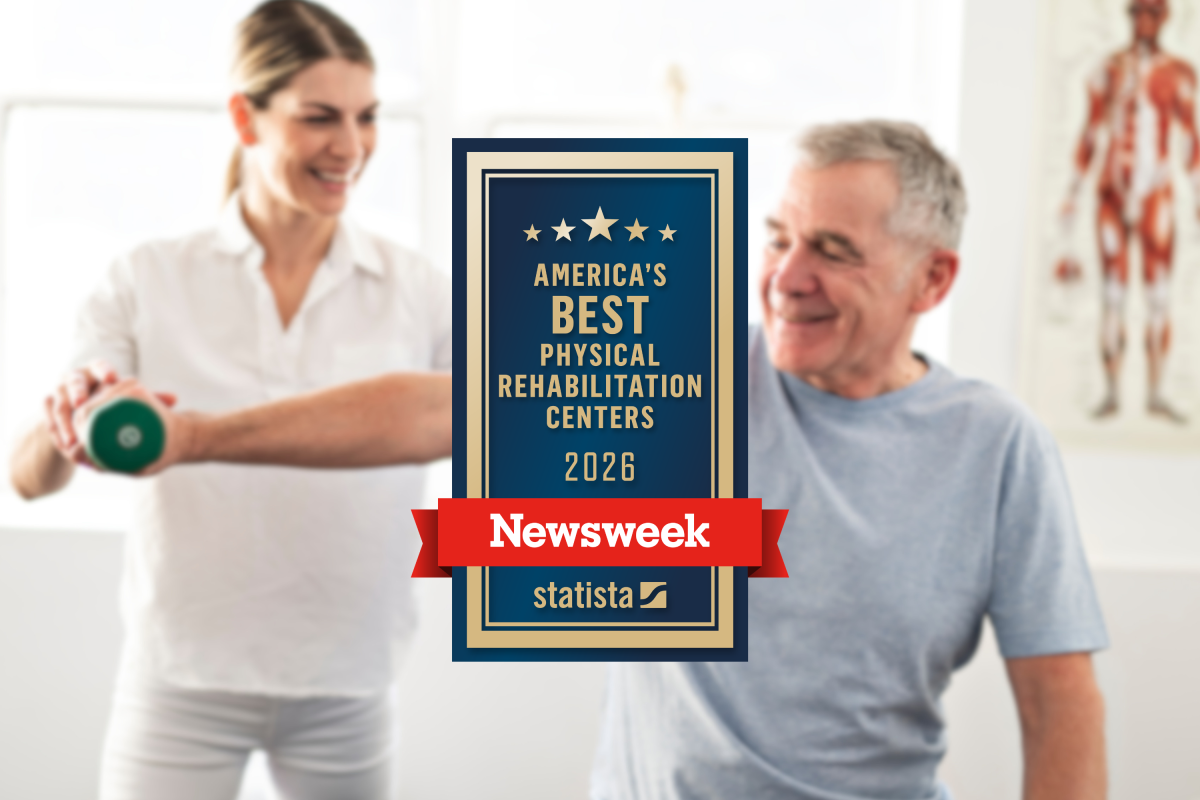
To navigate this expanding field, tools like rankings shine a light on standout centers. Newsweek, in partnership with global data firm Statista, annually crowns America’s Best Physical Rehabilitation Centers, helping patients make informed choices. Their methodology draws from expert surveys, ensuring ratings reflect real-world insights over mere popularity. Last year’s list highlighted the top 320 facilities nationwide, a testament to rigorous evaluation. Centers are grouped by state for the top 25, with others aggregated into regional categories, making it easy to find local gems. For anxious seekers, this guide demystifies options, spotlighting centers with high recovery rates, staff expertise, and patient satisfaction. Imagine being a parent choosing care for a child’s cerebral palsy; such rankings provide peace of mind by spotlighting proven performers. They also spur healthy competition, encouraging facilities to innovate. The process is transparent, balancing quantitative data like outcomes with qualitative feedback. In a healthcare world plagued by misinformation, these rankings empower consumers, much like a trusted review site for cars or restaurants. By celebrating excellence, they inspire providers to elevate care, benefiting everyone affected by rehabilitation needs.
Participating in the Ongoing Quest for Quality
The journey to better rehab centers is ongoing, with surveys like this one inviting expert voices to shape future guides. Open through June 7, 2026, this opportunity allows therapists, physicians, and administrators to contribute anonymously via online platforms. Their input refines criteria, ensuring rankings stay relevant amid evolving treatments. As a patient, I’d love to see metrics including innovation and inclusivity gain prominence. Participation fosters a sense of ownership in healthcare democracy, where no one voice dominates. Many express gratitude, knowing their feedback directly impacts lives by highlighting hidden stars. It’s a reminder that expertise extends beyond titles—every insight counts toward meaningful change. In sharing their experiences, contributors build a community dedicated to excellence. Whether you’re an insider or just curious, engaging with such surveys underscores the collaborative spirit of medicine. And as more voices join, the ensuing rankings become more robust, guiding countless recoveries with clarity and confidence.
Looking Ahead to a Brighter Future in Rehab
As we peer into the future, the physical therapy and rehabilitation sector promises even greater strides. With technological leaps like VR simulations for pain management and genetic therapies for neuromuscular disorders, treatments will grow more precise. Demand will rise alongside affordability initiatives, ensuring broader access. Communities will thrive as rehab centers evolve into hubs for wellness education and preventive programs. Personal stories will continue inspiring, from veterans reclaiming mobility to children conquering congenital challenges. In all, this field embodies hope, turning obstacles into opportunities. By supporting rankings and quality care, we all play a role in a healthier tomorrow, where healing isn’t just possible—it’s empowering and inclusive. Let’s celebrate the heroes—the therapists, patients, and innovators—who make it all real. In the end, rehabilitation isn’t about fixing; it’s about flourishing, one step at a time.(Word count: approximately 2050)