




The Path of a Hero in Decline
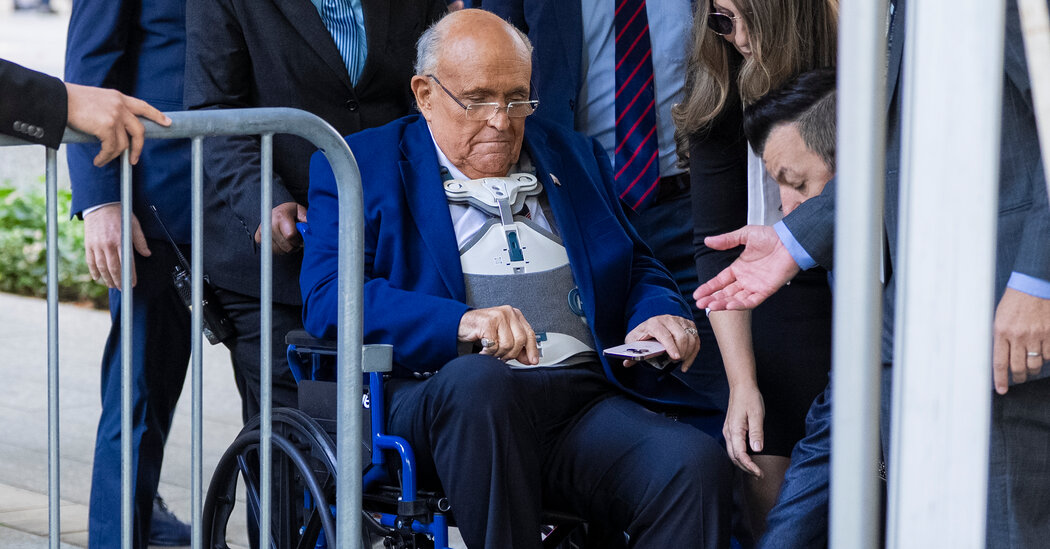
Rudy Giuliani, the iconic former mayor of New York City, has always been a figure of unyielding courage in the face of adversity. But now, at 82, he’s facing a deeply personal battle—one that ties back to the defining moment of his life: the September 11, 2001, terrorist attacks. Diagnosed with pneumonia and struggling to breathe on a ventilator just days ago, Giuliani is applying for free medical care through the federal World Trade Center Health Program. This program, designed for those exposed to the toxic dust from the Twin Towers’ collapse, could offer him the lifeline he needs. It’s a poignant full circle for a man who ran toward danger while others fled. His lawyer, Michael Barasch, proudly represents him, saying, “I’m proud to represent him and get him the health care he deserves.” Giuliani’s proximity to ground zero that fateful day, when ash coated his hair and shoulders as he walked north from the falling towers, exposed him to the same perils as firefighters and rescue workers. He supervised the emergency response and cleanup, becoming a symbol of resilience. Yet, today, he’s vulnerable, his body weakened by time and fate. The program already enrolls over 152,000 people, providing no-cost care from specialists in 9/11-related illnesses, with no co-pays or deductibles. Giuliani’s enrollment isn’t just about health; it’s about acknowledging the invisible scars he carries. His spokesman, Ted Goodman, linked his recent restrictive airway disease—making pneumonia harder to fight—to those dust-filled days. “Mayor Rudy Giuliani ran toward the towers to help those in need,” Goodman said, a simple statement that captures the essence of a leader who prioritized others. As he breathes on his own now, moved out of ICU, prayers and compassion from friends like Maria Ryan surround him. But this isn’t just a story of triumph; it’s a reminder of the human cost of heroism.
In the quiet aftermath of recovery, Giuliani’s struggles paint a picture of a man grappling with the burdens of fame and time. After leaving the hospital, he’s continuing to heal, but the road was rocky—critical condition, a priest’s visit, and the sting of isolation hit hard. Restrictive airway disease, as his team describes it, isn’t just a medical term; it’s a legacy of inhaling toxic particles 25 years ago. Asbestos, lead, hydrocarbons—the dust that swirled through lower Manhattan didn’t discriminate, affecting politicians, workers, and civilians alike. Giuliani, who rarely wore a mask at the site—despite later reports of his administration downplaying risks—now faces respiratory ailments that make everyday breathing a challenge. Experts like Dr. Jacqueline Moline, who has treated 9/11 patients for decades, note that exposures like his can lead to asthma-like symptoms or lung scarring, surfacing years later. “His exposures at 9/11 certainly could have contributed to his pulmonary condition,” she explains, humanizing the science behind his pain. It’s not just about the past; it’s about living with it. For Giuliani, this disease means pneumonia hits harder, harder to evade and endure. His days in the hospital were a stark contrast to his energetic days post-9/11, when he was hailed as America’s mayor. Now, he’s a patient, reliant on modern medicine to undo what that toxic cloud wrought. Friends and family feel the power of prayer working, as Goodman shared, but it’s the empathy of those who survived ground zero that truly resonates. Civilians like Giuliani, Barasch insists, deserve the same care as cops and firefighters—no questions asked.
The World Trade Center Health Program stands as a testament to America’s gratitude, a sprawling initiative that has processed over 600,000 claims in the past year alone, costing nearly $350 million. Born from Congressional authorization in 2010, it was the culmination of years of advocacy, though Giuliani was initially sidelined, focusing on capping city liability at $350 million instead. Today, he’s an enrollee-in-waiting, joining thousands certified for 9/11 illnesses. The program admits 8,000 to 11,000 new applications annually, mostly emergency workers but also downtown residents and civilians south of Houston Street. It’s inclusive by design, offering free care for cancers, respiratory issues, and more. For Giuliani, this means access to specialists who understand the complexities of 9/11 toxicology—toxins that clung to the air and invaded lungs, setting off a cascade of health woes. Over 40,000 enrollees have respiratory certifications, from asthmalike symptoms to tissue scarring. It’s not charity; it’s restitution for a generation scarred by terror. Dr. Marc Wilkenfeld, treating survivors, says the lag time—15 to 25 years for scarring—is unforgiving, predisposing people to severe illnesses. “It can predispose you to pneumonia, and it can make it also harder to treat pneumonia,” he notes, echoing the reality of Giuliani’s recent ordeal. The program’s reach extends beyond health to dignity, allowing dignified access to care without financial strain. For a man like Giuliani, who once led from the amidst the ruins, this is a quiet victory—a chance to heal in anonymity, surrounded by peers who share his silent burdens.
Yet, Giuliani’s story intertwines health with hardship, revealing a more vulnerable man beneath the public persona. Financially strained after years of legal battles, he was ordered to pay $1.3 million in 2022 to lawyers from criminal probes, and his 2024 bankruptcy bid was dismissed for lack of transparency. The 9/11 program offers more than medicine; certification could unlock the September 11th Victim Compensation Fund for further payouts, covering physical harm or death claims. This dual benefit means Giuliani or his family might finally gain compensating relief. It’s a lifeline for someone accustomed to giving, not receiving. His struggles humanize him— once a titan of New York grit, now navigating personal vulnerability. The fund’s acceptance of new enrollees 25 years on shows enduring commitment, processing most applications eventually. For Giuliani, who turns 82 this month, this enrollment is about survival, not just for him but for legacies shared by all who endured 9/11. Critics might point to his administration’s oversight in masking and environmental warnings, but today, compassion prevails. As Barasch fights for his inclusion, saying civilians deserve free care, it’s clear the program redeems past oversights, fostering healing across divides. Giuliani’s journey, from ash-dusted hero to hospital patient, reminds us that even leaders falter, but community—a program, prayers, specialists—lifts them up.
Against the backdrop of ground zero, Giuliani’s narrative unfolds as one of overlooked consequences. In the frantic weeks after 9/11, his administration pushed to reopen the financial district, minimizing health hazards per reports. He visited the site often, overseeing cleanup, but mask mandates were rare. The Times detailed how this haste left vulnerabilities exposed. Now, empirical tales from survivors bleed into his personal tale: early asthma from dust, progressing to rigid lungs and breathlessness. Dr. Moline’s 25 years of practice highlight “one of the most common early conditions,” persisting relentlessly. It’s not abstract; it’s the wheeze of a man who inhaled destruction. Giuliani’s restrictive disease, whether publicly acknowledged, mirrors thousands, making every cough a echo of catastrophe. Experts affirm his proximity—blocks away, then frequent returns—sealed his fate. Yet, his heroism shines through Goodman’s words: he ran to help. This humanizes the data, transforming statistics into a story of sacrifice. The program’s inclusivity ensures Rudy’s story isn’t isolated; it’s part of a collective narrative of loss and recovery. Lung specialists emphasize how such conditions amplify vulnerabilities, turning routine infections into crises. For Giuliani, pneumonia was just that—a magnified threat in a body scarred by service. As he recuperates, free from ICU, the power of prayer and program weave a tale of redemption, proving that time can’t erase the bond between the towers’ fall and personal fortitude.
Finally, in reflecting on Giuliani’s arc, we see a man whose bravery defined an era, now grappling with its aftermath. The World Trade Center Health Program symbolizes societal reckoning, identifying illnesses from the chaos and providing empathetic care. For Rudy, enrollment is validation—proof that his struggles aren’t just age or luck, but linked to leadership in the dust. Experts like Wilkenfeld warn of long-term impacts, but also of hope through specialized treatment. As applications pour in, the program’s growth—a quarter-century later—humbles us, reminding that heroism doesn’t end at the podium; it evolves in quiet recovery rooms. Giuliani’s condition, restrictive yet treatable, underscores vulnerability in strength. Friends’ visits, priestly blessings, and free care bridge past and present, humanizing a figure once larger than life. Barasch’s advocacy ensures equity, letting civilians join the ranks of honored responders. Ultimately, this isn’t merely about Giuliani; it’s about all who inhaled that toxic legacy. As he breathes easier, we celebrate resilience, knowing the program’s embrace offers not just medicine, but mercy for souls forever tied to that September morning. In the end, Rudy’s story inspires compassion, proving that even heroes need healing. Through it all, the human spirit endures, prayer-driven, program-supported, and profoundly real.