






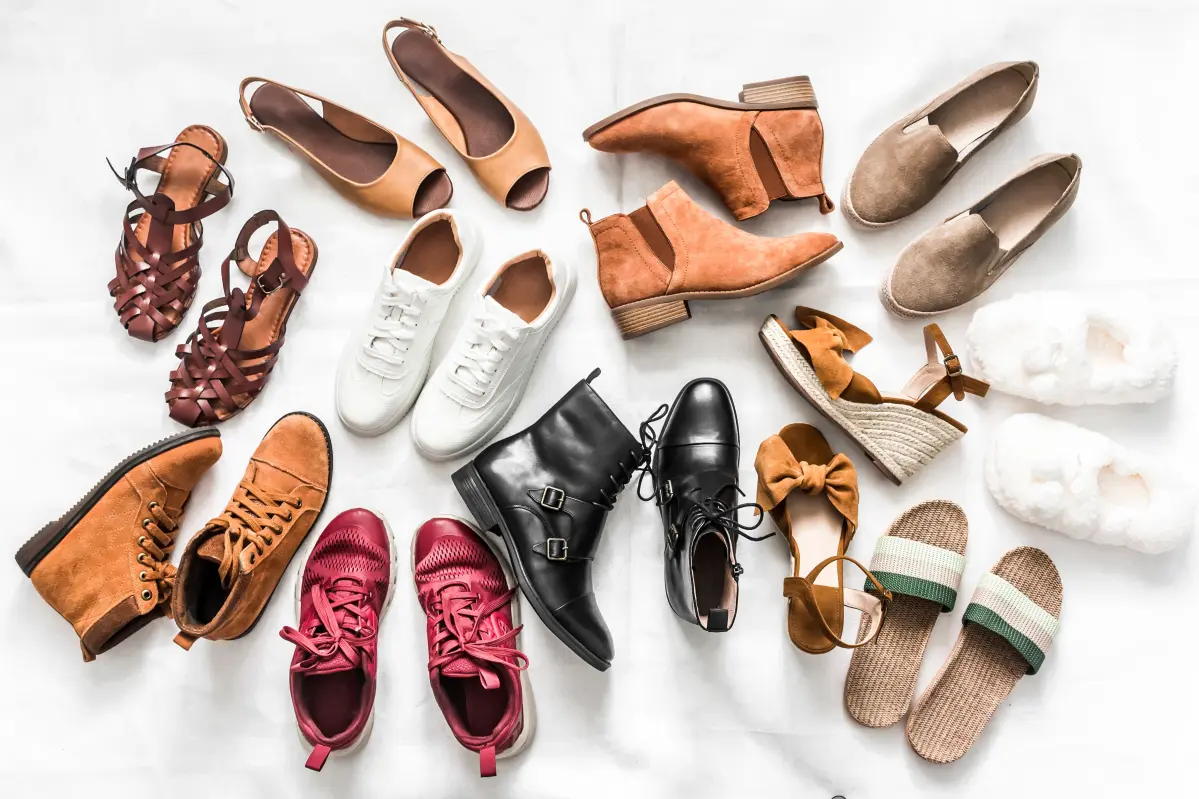
Over half of all Americans (56%) have experienced the frustrating sensation of standing in front of their closet, staring at a visually stunning but incredibly painful pair of shoes. We buy them with the best of intentions, convinced they will eventually stretch or soften, but they more often than not end up collecting dust in forgotten corners of our homes. This pattern of purchasing footwear regrets is far more than a minor domestic annoyance; it is a serious somatic problem when we consider the massive physical demands placed on our bodies daily. A study conducted by Talker Research revealed that the average person takes almost three million steps and walks nearly 1,200 miles every single year—which translates to traveling a little over three miles walking each day, alongside standing on their feet for roughly five hours daily. Despite this high physical load, millions of us continue to sabotage our skeletal health, spending and wasting an average of $279 in recent years on painfully designed shoes we can never bear to wear. The price of fashion-driven shoe regret is paid not just in wasted currency, but in persistent physiological suffering. When we subject our bodies to unsupportive footwear, the resulting pain is not transient; it lingers for an average of two full days, spreading a silent wave of joint exhaustion across the body. While 67% of victims suffer from direct pain in their feet, the biological structural chain ensures that this discomfort quickly travels upward, harming the lower back for 43% of individuals, compromising the knees of 31%, swelling the ankles of 29%, and throwing the hips of 21% completely out of proper alignment. Our bodies pay a lasting price for our brief moments of fashion vanity, highlighting the deep, unavoidable necessity of viewing our shoes not as decorative ornaments, but as critical guardians of our skeletal system. In examining how we navigate our daily landscapes, this disconnect calls for a foundational revolution in our relationship with what we put on our feet, pushing us to listen to the whispers of our tired arches.
The true tragedy of unsupportive and painful shoes goes far beyond the boundaries of simple physical soreness; it has an exceptionally cruel habit of stealing our most precious life experiences and staining our happiest memories. Think of those vibrant, milestone events we circle on our calendars for months—the highly anticipated nights out with our favorite friends, the hard-earned vacations spent exploring historic cobblestone pathways, the legendary live music concerts where we want to dance for hours, or the beautiful, emotional weddings of our closest family members. All too often, these brilliant moments are completely ruined by a sharp, distracting throb in our arches or a fiery, blistering friction on our heels, forcing us to bench ourselves from life’s greatest pleasures. The survey data paints a vivid picture of this lost joy, revealing that 26% of adults have had nights out permanently ruined by painful shoes, while 23% have had expensive vacations compromised, 19% lost the magic of live concerts, and 17% found themselves trapped at a reception table instead of dancing at weddings. It is under the weight of this collective frustration that we eventually experience a profound mental shift, occurring on average at age 34, when Americans undergo their “great comfort awakening” and begin prioritizing structural support over pure cosmetics. Yet, this crucial milestone of human maturity is heavily seasoned with regret, as three-quarters of respondents (74%) admitted they harbor deep wishes that they had embraced this practical pivot much earlier in life, realizing too late that sacrificing their skeletal framework for fleeting trends was an unequal trade that left behind a legacy of wear, tear, and missed opportunities. This shared regret reminds us that our physical health is a finite resource, one that must be protected far before we reach a crisis point of chronic joint pain. By recognizing the heavy price of these lost occasions, we can begin to shift our cultural priorities, trading the fleeting approval of others for the long-term gratitude of our own muscles and skeletal structures.
As our collective perspective matures, the fundamental criteria of what makes a truly great shoe have undergone a massive modern evolution, fundamentally changing how consumers navigate store aisles and digital storefronts in 2026. While economic realities dictate that price remains the primary, leading factor influencing shoe selections, people are absolutely refusing to sacrifice their physical well-being for a bargain, with a striking 61% prioritizing structural support above all else. This represents a seismic cultural change, where shoes are no longer viewed merely as passive style statements, but as active health equipment, closely followed by key demands for lasting durability (55%) and aesthetic appeal (43%). Capturing this changing consumer landscape, Skechers commissioned this study to shine a bright light on the absolute importance of footwear that can actually withstand the intense pace of contemporary everyday life. True innovators understand that proper shoes are not only essential for walking safely through local neighborhoods or working long shifts, but are also the foundational catalyst for runners to safely pursue and conquer their personal athletic goals. The delicate human foot is a marvelous, complex architectural masterpiece comprising a sensitive system of bones, tendons, and muscles, and when we fail to cushion and protect it adequately, we throw our entire kinetic balance into disarray. By championing designs that seamlessly bridge the gap between scientific comfort and attractive style, forward-thinking footwear is working to eradicate the trade-off between looking good and feeling good, ensuring we can comfortably step forward into our daily lives without fearing tomorrow’s backaches. By analyzing what actually happens when we put our feet through the daily grind, it becomes evident that a shoe must act as a protective armor rather than an aesthetic obstacle, validating why so many people are demanding high-performance comfort in their everyday choices. This transition marks a crucial victory for practical modern living, moving us toward a more holistic lifestyle where physical wellness starts from the ground up and guides every single purchase we make.
This physical need for orthopedic safety becomes infinitely more urgent when we turn our attention to the running community, an athletic discipline that has experienced an incredible modern renaissance across almost every generation. In our high-speed, demanding world, running has transformed into a fundamental pillar of health and lifestyle, showing stunning popularity among younger demographics with 67% of Gen Z reporting running or jogging for exercise, followed closely by 56% of millennials, 29% of Gen X, and even an inspiring 13% of baby boomers who refuse to let the passing years slow them down. Yet, even within this highly motivated, fitness-minded community, the visual lure of superficial style remains a dangerous trap. A startling 65% of runners confessed that they have previously bought a running shoe based entirely on how sleek or cool it looked on their feet rather than how supportive it felt, only to suffer intense buyer’s remorse when those flashy shoes led to stiff strides, aching joints, and disappointing workouts. Having learned their lessons the hard way, modern runners have established a highly discerning checklist of features they look for to avoid future injuries and painful recovery days. Chief among these non-negotiable requirements is absolute overall comfort (54%), which forms the safe foundation of any successful physical activity, followed closely by long-term durability (49%) to survive the high volume of asphalt friction, robust ankle support (44%) to keep the foot stable over uneven pavement, and a lightweight feel (41%) that mimics natural biomechanics. This shift demonstrates a growing understanding that elite athletic performance is completely impossible without a secure foundation of anatomical safety, and that choosing style over support runs the risk of cutting an athletic journey short. This evolution from style-centric choices to ergonomic reliability serves as an essential protection, shifting the running community away from a culture of aesthetic superficiality toward a sustainable lifestyle built on endurance and anatomical protection.
Beyond the measurable metrics of physical speed, joint wear, and athletic pace, the act of running has blossomed into a deeply therapeutic, emotional experience—a sacred sanctuary for the stressed-out modern mind. We reside in an era of constant hyper-connectivity, where a relentless flood of digital notifications, professional demands, and social anxieties creates a toxic background hum of persistent stress. In this frantic landscape, running serves as a form of moving meditation, providing a potent cocktail of emotional release and somatic restoration that allows people to reclaim their sense of inner peace. Indeed, the primary reason runners lace up their sneakers is to clear their minds (35%), finding a quiet, beautiful escape in the simple, predictable cadence of their steps. Close behind, 34% run specifically as a coping mechanism to reduce anxiety and stress, while 33% utilize the sport as a foundational pillar for supporting their overall mental health. On the physical side of the wellness equation, the motivations are equally deep and diverse: 31% run to manage or lose weight, another 31% seek to fortify their cardiovascular strength, while others focus on improving joint mobility (30%), building baseline endurance (29%), strengthening muscles (29%), enjoying the great outdoors (28%), or claiming some much-needed “me time” (28%) away from a screen. There is a primal, liberating joy in this rhythmic movement; it requires no elite skill or expensive equipment—just you, the open air, and the soothing sound of your own breath. This profound connection between physical activity and mental clarity proves that every step we take is not just about logging miles, but about healing our nervous systems and establishing boundaries to preserve our sanity. By stepping away from our noisy devices and embracing the simple, honest feedback of our moving bodies, we discover that running is not about seeking perfection, but about finding a safe space to breathe.
Ultimately, the difference between a miserable exercise experience and a joyful, life-affirming journey of holistic movement comes down to a single, critical piece of gear: the shoes we wear on our feet. A staggering 87% of runners unanimously agree that having the right running shoe is the absolute defining line that separates an amazing, transcendent run from a horrible, painful ordeal. Our bodies are incredibly vocal communicators, and when we choose unsupportive footwear, they vocalize their distress through unmistakable warning signs: generalized foot aches (39%), bruised and pinched toes (35%), compressed and cramped arches (32%), lower back pain (30%), and deep heel pain (29%). To solve these painful problems and keep humanity moving forward, Skechers developed their new AERO performance shoes, designed to help runners find that elusive, weightless sensation of pushing past personal records in a stride that feels like flying. By actively addressing the pain points of unsupportive shoes and replacing them with cutting-edge foot science, we can transition away from treating physical suffering as an inevitable consequence of staying active. Choosing comfortable, supportive footwear is not a compromise or a surrender of aesthetic style; rather, it is a profound declaration of self-respect and an investment in our lifelong mobility. By matching our shoes to the exquisite natural engineering of our bodies, we unlock the door to pain-free movement, transforming those three million steps we take every single year into a beautiful, enduring celebration of physical health, resilience, and uncompromised comfort. Standing on this foundation, we recognize that our daily walks are not merely routines, but opportunities to celebrate physical freedom, allowing us to step boldly into the future with a deep sense of physical gratitude and vitality. Through this mindful integration of innovative technology and physical self-care, we can look forward to a healthier future, confidently taking our three million steps a year with smiles on our faces and absolute ease in our strides.