






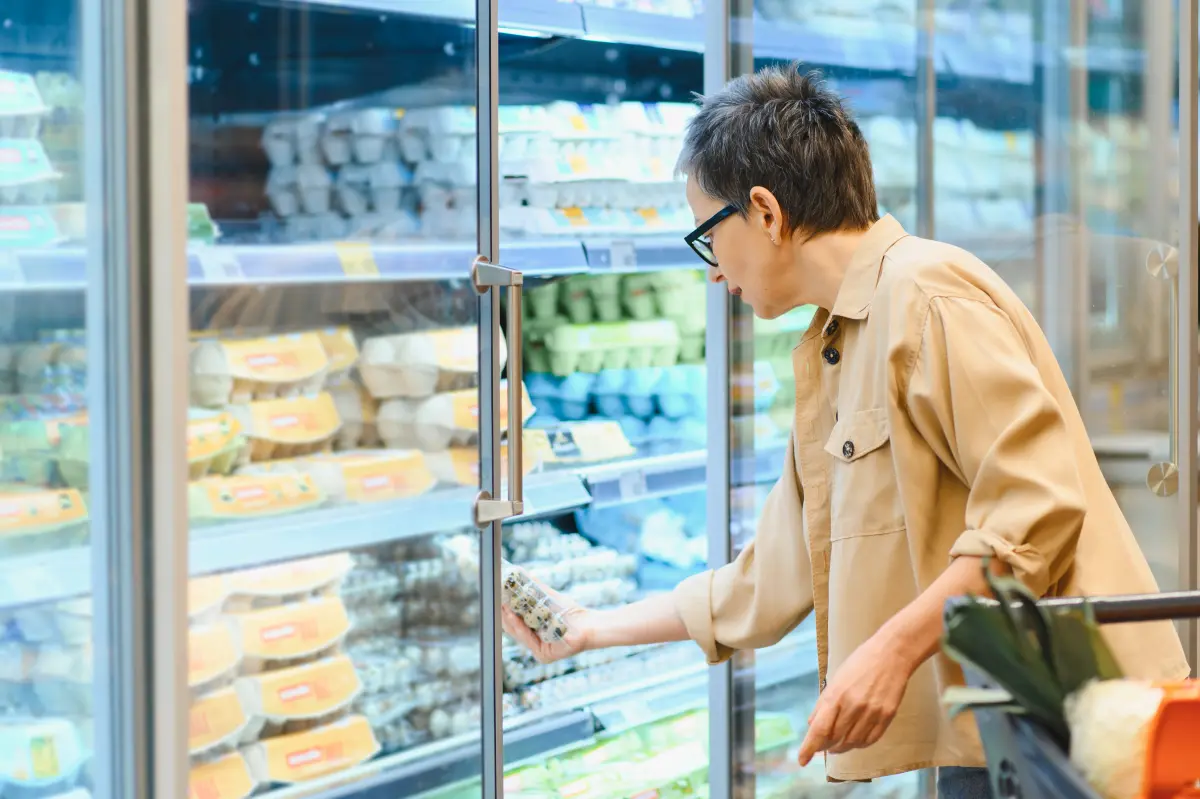
Imagine waking up, pouring your morning coffee, and cracking an egg into the skillet—only to catch a news alert that those very eggs have been recalled, not as a minor precaution, but under the most serious warning the U.S. Food and Drug Administration can issue. That’s exactly the situation many families are now facing as the FDA reclassified an egg recall from last month to its highest risk level: Class I. In plain terms, this is the agency’s way of saying there is a reasonable probability that eating these eggs could make someone seriously ill, or in the worst cases, even cause death. It sounds frightening, and it should be taken seriously, but it’s also important to understand what this means, what you should do, and why this kind of recall happens. The recall in question was first initiated in late July by Midwest Poultry Services, a company that voluntarily pulled roughly 1.6 million brown and white eggs off the market. The decision to elevate the recall to Class I tells consumers and healthcare providers alike that this isn’t just a labeling issue or a minor quality concern—this is a public health matter, and the FDA wants everyone to know that the risk is real. No one wants to think about something as everyday as eggs causing harm, but when salmonella is involved, the stakes are much higher, particularly for young children, older adults, pregnant people, and anyone with a weakened immune system. The good news is that, unlike some hidden contaminants, this recall gives consumers clear information about exactly which eggs are affected, so there are concrete steps you can take right now to protect yourself and your family. Still, for people who have already bought and eaten these eggs, the news can feel unsettling, and it’s completely understandable to wonder what comes next.
Let’s get down to the specifics, because knowing exactly what to look for can make all the difference. The recalled eggs were produced and distributed from farms in Texas during a fairly distinct window: June 6, 2026 through July 3, 2026. If you have eggs sitting in your refrigerator, check the dates on the side of the carton. The sell-by or best-by dates for the affected eggs fall between July 20, 2026 and August 17, 2026. Those eggs were then shipped to foodservice and retail customers in Texas, Oklahoma, and Louisiana. If you shopped at Kroger stores in Texas or Louisiana, or at Brookshire Grocery stores across Texas, Oklahoma, Arkansas, Louisiana, New Mexico, and Mississippi, your carton might be part of this recall. To be absolutely certain, look for the codes printed on the side of the carton: P-1950 or 0840962, along with a Julian date between 157 and 184. A Julian date simply refers to the day of the year the eggs were packed, so 157 would be early June and 184 would be around early July. If your eggs match those markers, do not use them. It may feel wasteful to throw out a dozen eggs, especially with grocery prices what they are today, but your health is worth far more than the cost of a carton. And if you aren’t sure whether your specific product is affected, the FDA recall site has a full list of examples, and Midwest Poultry Services has also set up a phone line at 574-405-9531 for consumers with questions. It’s also worth noting that no other Midwest Poultry Services products are part of this recall, so you don’t need to fear every egg in your kitchen—just the ones that match the description. The company is working with regulators, and being transparent with these details gives consumers the power to make safe choices.
The human impact of this recall really comes into focus when you look at the numbers. On July 24, the Centers for Disease Control and Prevention reported a salmonella outbreak tied directly to these eggs. So far, there have been 98 confirmed cases of salmonella, including 26 hospitalizations, spread across 17 states. That’s a significant outbreak, and it’s exactly why the FDA has treated this recall with such urgency. Salmonella infection is no joke. The most common symptoms include diarrhea, fever, and stomach cramps, and those symptoms can appear anywhere from six hours to six days after exposure. For most healthy adults, the illness may pass after a few uncomfortable days, but for children under five, adults over sixty-five, and people whose immune systems are compromised, salmonella can become far more dangerous. It can lead to severe dehydration, bloodstream infections, and other complications that require medical treatment or even hospitalization. That’s why the CDC is urging anyone who has recalled eggs at home to throw them away immediately or return them to the store where they were purchased. And don’t forget to wash your hands, your countertops, your utensils, and any surfaces that may have come into contact with the eggs, using hot soapy water or a dishwasher. Salmonella can linger on surfaces, and the last thing anyone wants is a second round of illness caused by cross-contamination. If you’ve already eaten the eggs and developed symptoms, it’s wise to contact a healthcare provider, especially if you or a loved one falls into a high-risk category. It’s also important to remember that not every carton of eggs is affected, but if yours is, this isn’t the time to take chances.
This egg recall, troubling as it is, isn’t happening in a vacuum. Right now, the country is also dealing with several other foodborne illness outbreaks that are stretching the FDA, the CDC, and local health departments thin. One of those is an ongoing outbreak of cyclosporiasis, a parasitic infection that can cause explosive diarrhea and other miserable gastrointestinal symptoms. That outbreak has been linked to iceberg lettuce supplied by Taylor Farms, and the lettuce has already been recalled. The outbreak has spread to at least 47 states, which is a staggering geographic reach and a reminder that contaminated food can travel far and wide before anyone realizes there’s a problem. At the same time, there is a separate salmonella outbreak linked to jalapeños that has sickened nearly 350 Americans so far. In response, Whole Foods recently announced a recall of items from its produce and prepared foods departments that contain jalapeños. The company was quick to note that no illnesses have been reported in connection with those particular products, but the recall was still a precautionary step meant to protect customers. For many people, hearing about one recall after another can feel exhausting and even scary. It’s natural to wonder whether anything on your plate is truly safe. But it’s also worth remembering that these recalls happen because the system is designed to catch problems, even if it sometimes takes time. The FDA’s decision to elevate the egg recall to Class I is a sign that health officials are closely monitoring the situation, and the public alerts are meant to empower you with information, not to cause panic. In the meantime, the sheer volume of outbreaks is a reminder that food safety is a shared responsibility—not just for farmers and grocery stores, but for all of us at the dinner table.
So what should you do right now, practically speaking? First, check your refrigerator. Look at the carton of eggs and compare it with the recall details: the sell-by dates, the codes, and the Julian date range. If any of your eggs match, throw them out immediately. You don’t need to eat them to determine if they’re contaminated; salmonella doesn’t always change the way food looks or smells. Washing the eggs is not an option, either—cooking may kill the bacteria, public health experts still recommend not taking that chance, because contamination can persist through improper handling. After discarding the eggs, wash your hands thoroughly with soap and water. Then take a moment to clean your refrigerator shelves, the door bin, and any drawer where the carton was stored. Wipe down countertops, cutting boards, knives, and anything else that might have touched the eggs. If an item is dishwasher-safe, run it through a hot cycle. If you need more guidance, call the recall hotline or visit the FDA website, where you can find a detailed list of affected carton photos and lot codes. And if you already ate recalled eggs and haven’t gotten sick, that’s a relief, but stay alert. Keep an eye on how you’re feeling over the next week or so. If diarrhea, fever, or stomach cramps develop, don’t brush it off. Drink plenty of fluids, rest, and talk to a doctor, especially if you are pregnant, an older adult, or caring for a young child. The earlier you seek medical advice, the better your chances of avoiding serious complications. It’s also a good moment to think about other recent recalls in the news. If you’ve purchased iceberg lettuce or jalapeño products, check those too. You don’t have to become a food-safety expert overnight, but a few minutes of checking can save you and your family a world of misery.
In the end, this recall is a powerful reminder of how interconnected our food system truly is. Eggs produced on farms in Texas ended up in grocery stores across several states, and a single contamination event rippled outward to sicken nearly a hundred people. Behind every headline is a real person with a real kitchen, a real family, and a real fear about what’s safe to eat. It’s easy to feel frustrated when a trusted staple like eggs becomes a source of worry, but it’s also reassuring to see agencies like the FDA and CDC moving quickly, communicating clearly, and pushing a Class I recall so that no one has to guess about the danger. The best thing we can do as consumers is stay informed, follow the guidance, and treat every recall with the seriousness it deserves. If you’re disappointed about tossing those eggs, remember that food safety investigators are working around the clock to trace the source, prevent more illnesses, and make sure the same mistake doesn’t happen again. This moment doesn’t mean you should stop eating eggs forever or distrust every grocery store. It means being deliberate, checking labels, washing your hands, and knowing what to do when something goes wrong. And in a world where one salad or one taco can make you sick, that’s a skill worth having. So take a deep breath, check your cartons, and know that by paying attention and taking action, you’re doing exactly what health officials are hoping you’ll do: protecting yourself, protecting your household, and helping your community stay a little bit healthier through an unsettling food-safety scare.