





If you have scrolled through TikTok or Instagram recently, you have likely run into the vibrant, unmistakable green hue of the pistachio. From the legendary, gooey Dubai chocolate bars that have foodies queuing up for hours to delicate cream-filled pastries, trendy lavender-pistachio lattes, and artisanal frozen yogurts, this humble green nut is having an absolute cultural renaissance. Gen Z has crowned it the ultimate flavor profile of the year, transforming it from a retro ice cream option into a global aesthetic and lifestyle symbol. Yet, beneath this glossy, highly aestheticized digital craze lies a far more sobering and dusty reality. Far from the viral baking videos and trendy metropolitan cafes, the actual humans who cultivate these beloved nuts are facing a quiet, heartbreaking crisis. In the sun-baked expanses of California’s San Joaquin Valley, where nearly all of the nation’s pistachios are born, a record-breaking spring heatwave has devastated fields, scorched hopes, and left multi-generational farming families staring down an agricultural nightmare. The very treat that social media users are clamoring for is suddenly in short supply, creating an ironic and painful disconnect between digital demand and ecological devastation. Consumers who have grown accustomed to grabbing a bag of these salty snacks on a whim are about to receive a sharp lesson in the realities of modern climate volatility, as prices at the supermarket checkout are poised to climb.
To understand how a single premature heatwave could cause such widespread ruin, one must look at the delicate, almost poetic biology of the pistachio tree. Unlike many of our favorite orchard crops that rely on the busy, buzzing labor of honeybees to transfer pollen from flower to flower, pistachio trees are wind-pollinated, relying on gentle spring breezes to carry out their reproductive dance. It is a fragile love story that requires precise timing, a biological choreography where male and female trees must sync their blooming schedules perfectly. This past March, however, a brutal and premature heatwave shattered this delicate harmony across the San Joaquin Valley. As temperatures suddenly skyrocketed into the mid-90s, the natural internal clocks of the trees were thrown into complete chaos. The extreme heat rushed the male trees, prompting them to release their pollen into the winds far too early, while the female trees, still unready for their close-up, remained closed. By the time the female blossoms finally opened, the pollen had already dispersed and perished. Kern County Assistant Agriculture Commissioner Cerise Montanio noted that this disruption at critical points in the bloom led to poor nut development, leaving farmers with empty shells instead of the valuable, split-open nuts they spend all year nurturing. It was a silent disaster, invisible to the untrained eye, but devastatingly obvious to the agricultural specialists who quickly realized that the essential window for life had shut before it even truly began.
The economic fallout from this biological mismatch has been nothing short of catastrophic, ripping through the close-knit farming communities of Fresno, Kern, and Tulare counties like a physical blow. Growers are currently grappling with a combined loss estimated at a staggering $800 million across more than 337,000 scorched and damaged acres of orchard land. In Kern County, which bore the absolute brunt of the scorching spring temperatures, farmers have seen a mind-boggling 56 percent drop in their expected pistachio production. This represents an immediate, agonizing $396 million gut punch to the local economy, prompting local officials to desperately petition the federal government for an official agricultural disaster declaration to keep family farms afloat. Neighboring Fresno County fared no better, reporting an estimated $400 million plunge in expected yield, leaving local agricultural leaders like deputy commissioner Mandy Zito deeply shaken. For these farming communities, these figures are not just abstract statistics on a balance sheet; they represent the evaporated livelihoods of families who have invested their life savings, endless sweat, and years of patience into the soil, only to watch their hard work turn to dust in a matter of weeks. The sheer scale of the devastation has sent shockwaves through local communities that depend on the seasonal rhythm of the harvest to sustain schools, businesses, and local livelihoods.
This crisis in the San Joaquin Valley is not just a localized tragedy; it is a systemic shock to the global food supply chain, given California’s absolute dominance in the market. The Golden State is responsible for producing a staggering 99 percent of the entire United States’ pistachio crop and a massive share of the global market, making it the undisputed heart of the industry. Valued at roughly $3 billion annually, California’s pistachio sector has grown into an agricultural titan over the past few decades, transforming arid Valley soils into green gold. However, this high concentration of production in a single geographic pocket makes the entire national supply incredibly vulnerable to localized climate shocks. This year’s harvest is shaping up to be one of the smallest and most disappointing in recent memory, with veteran agricultural analysts warning that total statewide production could plunge well below the critical one-billion-pound threshold. This sudden supply bottleneck is occurring at the absolute worst possible moment, as global appetite for the nut continues to surge exponentially. The contrast between this shrinking domestic supply and the exploding, insatiable demand from global markets highlights the profound fragility of our highly specialized food systems, where a single localized weather anomaly can disrupt snack aisles thousands of miles away.
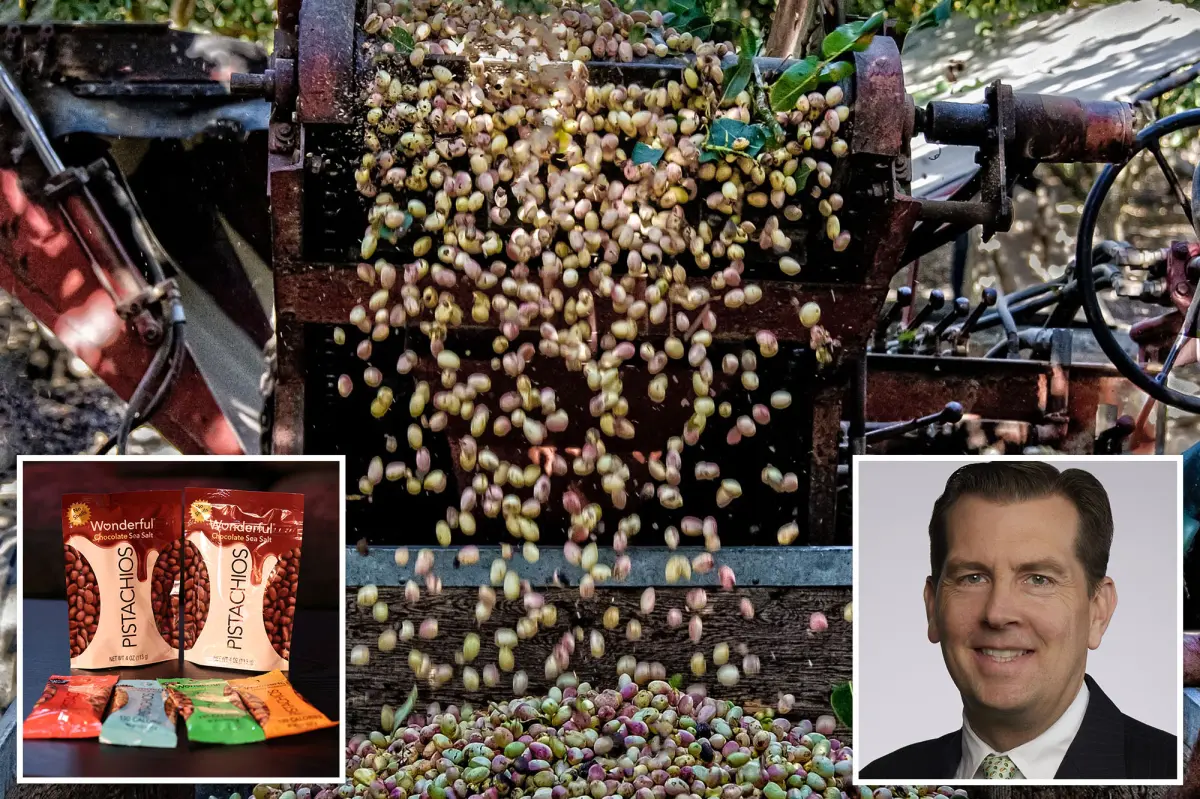
At the center of this unfolding economic drama is Wonderful Pistachios & Almonds, the undisputed giant of the industry which supplies roughly 75 percent of all pistachios consumed across the United States. Based in Los Angeles and owned by billionaire entrepreneurs Stewart and Lynda Resnick’s parent firm, The Wonderful Company, the brand single-handedly revolutionized how the world views the humble snack. Through their legendary and quirky 2009 “Get Crackin'” advertising campaign, they successfully transformed a niche, seasonal product into a ubiquitous, multi-billion-dollar pantry staple that crossed the $1 billion threshold in annual retail sales by 2020. Today, however, the executives at Wonderful are facing the daunting task of managing the fallout of this year’s disastrous harvest. Michael Hohmann, the company’s chief financial officer and executive vice president, recently announced that consumer prices will inevitably have to rise as the industry struggles to absorb the massive financial hit. In a bid to reassure anxious shoppers and maintain market stability, Hohmann emphasized that the company is actively working to make this a “measured adjustment” rather than a sudden, dramatic price spike, noting that the retail price increase seen by everyday consumers will pale in comparison to the devastating financial losses borne directly by the farmers themselves. It is a delicate balancing act, attempting to keep the product accessible on store shelves while somehow ensuring that the agricultural backbone of the industry survives to plant another year.
Ultimately, the Great Pistachio Crisis of California serves as a stark, humanizing reminder of the profound ways in which climate change is reshaping our relationship with the foods we love. It forces us to look past the satisfying crunch of a snack or the viral allure of a social media trend to recognize the precarious ecological balance that makes these culinary pleasures possible in the first place. As global temperatures continue to fluctuate unpredictably, the traditional agricultural calendars that farmers have relied on for generations are being rendered obsolete. The farmers in the San Joaquin Valley are on the absolute front lines of this shifting reality, battling unpredictable weather patterns, water scarcity, and ecological disruptions that threaten their very way of life. When we see the prices of our favorite pistachio lattes or holiday baking ingredients rise in the coming months, it should serve as an invitation to reflect on the human labor, natural cycles, and environmental vulnerability embedded in every single shell. The journey of the pistachio from a delicate wind-swept blossom in California to a beloved treat in our hands is a testament to human ingenuity—but it is also a fragile gift from nature, one that we can no longer afford to take for granted in a warming world.