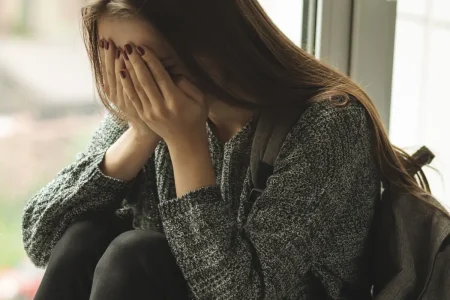






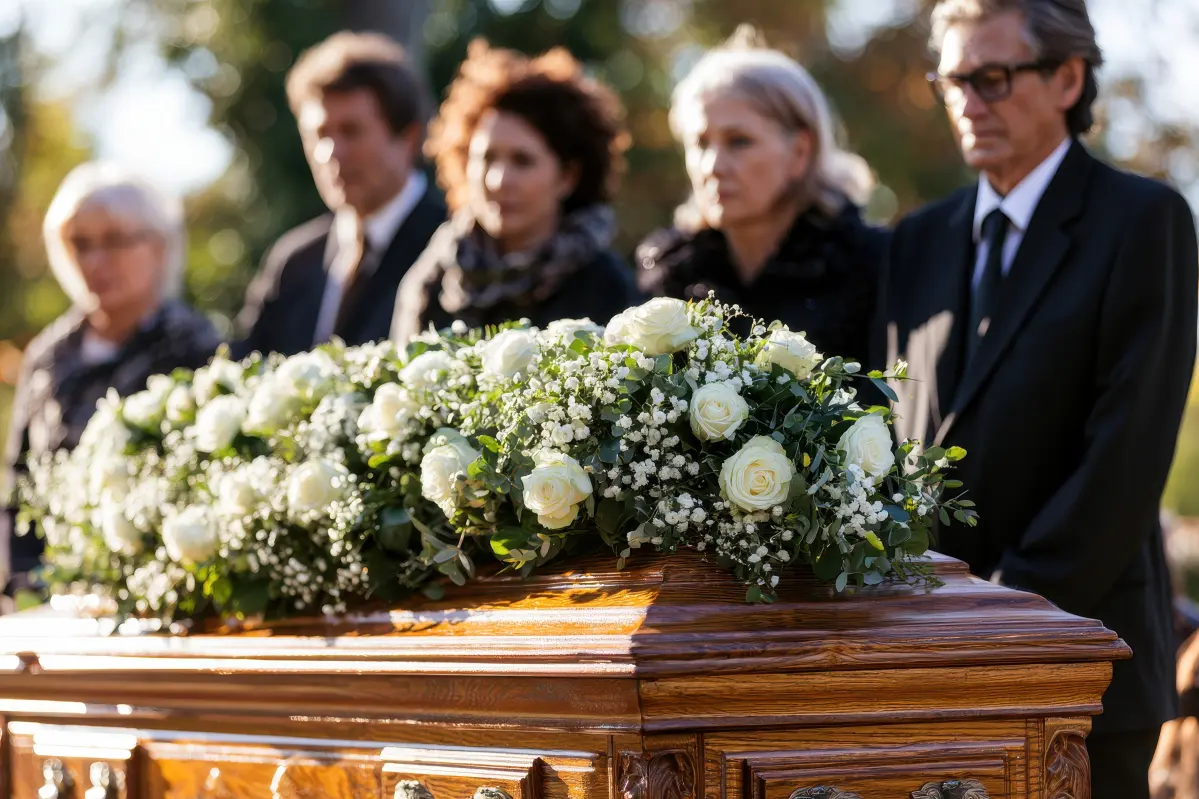
Grief has a way of stripping away the comfortable illusions we build around our friendships. When someone loses a parent, the world keeps spinning for everyone else, and that contrast can feel almost unbearable. In the first letter, a woman who calls herself “Last One in California” describes a lifetime of being the person who always showed up. She was the last among her friends to graduate, to land a career job, to enter a relationship, to buy a house, to marry. With patience and affection, she celebrated their milestones: graduations, weddings, baby showers, milestone birthdays, and family funerals. She stood beside them in their darkest hours, expecting nothing but knowing that friendship is a reciprocal act. Then her mother died. The woman was not just losing a parent; she was losing the person who had anchored her entire life. Her family had shrunk to just her and her dad, and she needed her friends to surround her at the memorial. Instead, she received excuses. A grandchild’s soccer game. A two-year-old’s birthday party. The excuses felt like a verdict: your mother is not important to us, and neither are you. Her spouse, coming from a huge, loving family, tried to soothe her by saying that all they needed was each other. But to her, that comfort felt hollow, because he had never known what it was like to feel utterly alone in a crowd. She wanted to scream, “This is MY MOM,” and she worried that her emotions were too strong, too raw. Yet any reader can understand why. The moment demands that we ask ourselves whether we have ever been that friend, and whether we have ever been that abandoned one.
The advice she received was gentle but firm. The columnist reminded her that funerals are for the living, not the deceased. The people who did come to the memorial, the ones who accepted the invitation and stood beside her, are her core support group. Everyone else, no matter how many years of shared history, is an acquaintance. That distinction can sound harsh, but it is also a gift. It frees the grieving daughter from the exhausting work of chasing people who do not prioritize her. It asks her to stop measuring her worth by the loyalty she offers or expects. For years, she had been the person who showed up; that is a beautiful quality. But if her friendships have been one-sided, then the truth is not that she is unworthy of love, but that she has been investing in the wrong people. Her spouse’s phrase, “all we need is each other,” may have felt dismissive, but it contains a kernel of wisdom. In the hardest moments, the circle shrinks to a very few. That is not a failure; it is a natural sorting of the heart. The people who stayed by her side are real. Grief often strips away pretense and shows us who we can rely on. The daughter can choose to be grateful for that gift rather than resentful over the empty chairs. Resentment is a heavy burden, and carrying it will not bring her mother back, nor will it make her absent friends more caring. In time, she can release them from her expectations and invest her energy in the relationships that are actually mutual.
The second letter is a reminder that not all crises look like death. Sometimes the moment when you must choose yourself comes in a rented apartment, over the smell of someone else’s cooking. A young woman in Australia had shared her two-bedroom home with her best friend. When the friend relocated for work, she advertised the extra room and found a couple who seemed ideal: friendly, respectful, always on time with rent. They paid their share without complaint, and there was no real conflict between them. But soon, their meals filled the kitchen with sharp, lingering aromas. Because of her medication, she had developed a hypersensitivity to smells, and even the most ordinary spices could make her feel nauseous and trapped. The couple lived on a different schedule, so their cooking times collided with her sleep and her eating habits. Her health began to unravel. Yet she did not say a word to them. They were not doing anything wrong; they had every right to cook in their own home. She felt that complaining would be unfair, and so she turned the blame inward and tried to tolerate a situation that was slowly destroying her peace. She wanted to move out into a studio of her own, and the only obstacle was guilt. Because the lease was month-to-month, leaving was technically easy. But if she left, the couple would have to move, find a replacement, or pay the full rent themselves. She had no desire to burden them, so she stayed a little longer, feeling worse each day, until the situation became impossible.
The advice here is clear and liberating: your health must come first. Guilt is a poor reason to stay in a situation that is making you sick. The columnist told the young woman to level with the couple, explain that the cooking odors are affecting her health, and let them know that because the lease is month-to-month, she plans to move to a smaller place of her own. She should give them the option of staying and taking over the lease or leaving themselves. This is not an accusation; it is a simple, honest disclosure of a fact. The couple has not done anything wrong, and the young woman has not failed them. She is simply taking care of herself. The final line of the advice is important: consider this a first step in learning to stand up for yourself. That is the real lesson. For many people, especially those who are naturally considerate and conflict-avoidant, putting their own needs first feels like a moral violation. They think that being a good person means never inconveniencing anyone, never asking for help, never making a decision that changes the lives of others. But that model of goodness is not sustainable. It leads to resentment, illness, and despair. The young woman is not responsible for the couple’s housing situation. She is responsible for her own health and happiness. By communicating clearly and giving them time, she is doing the mature thing. She is not abandoning them; she is choosing herself. And that is a decision she will need to make over and over in life, because no one else can make it for her.
Taken together, these two letters are about the same hidden wound: the fear that we are not important enough. The grieving daughter wants to believe she matters to her friends; the unhappy roommate wants to believe she is not an inconvenience. Both fear that speaking up will reveal a terrible truth, that they are not a priority, that their needs are too much, that they are unworthy of care. And both are stuck in roles that have defined them. The daughter is the loyal friend, the one who shows up; the roommate is the accommodating tenant, the one who makes it easy for others. Those roles can feel safe, but they are also prisons. When you are always the one who gives, you can start to believe that your only value lies in giving. When you never ask for anything, you can forget that you have needs too. Real love, real friendship, requires vulnerability. It means admitting that you hurt, that you cannot handle everything, that you need someone to sit with you in your grief or give you space to breathe. It also means letting others disappoint you, because as painful as that is, it is information. It tells you who is actually there. The daughter’s absent friends have given her a gift of clarity, even if they did not mean to. The roommate’s guilt has taught her that her own health is non-negotiable. Both women are afraid of becoming a burden, but the truth is that the people who truly belong in our lives will not treat our needs as a burden. They will meet us halfway, or at least they will try.
In the end, both correspondents are asking the same question: Is it okay to take up space? The answer, from the advice column and from life, is an unmistakable yes. Grief and sensitivity are not inconveniences; they are human experiences. The people who love us will not always be perfect. Some will fail us, and some will surprise us. The daughter will never forget the friends who skipped her mother’s memorial, but she can learn to stop expecting them to be what they are not. She can pour her love into the spouse, the father, and the small but loyal circle who proved their devotion when it mattered. She can thank the people who came, hold their hands, and let their presence be enough. The roommate can move into her studio, close the door, and breathe air that is clean and calm. She can write the couple a gracious note, thank them for being good tenants, and release herself from the false guilt she has been carrying. The couple will find another arrangement; people do, all the time. In both stories, the path forward is the same: tell the truth, set a boundary, and accept that you are the only person who will always be with you. That may sound lonely, but it is actually the beginning of real connection. When we stop performing our suffering for people who do not see us, we make room for the people who genuinely do. The mother would probably want her daughter to be at peace, surrounded by those who chose to stay. The apartment can be replaced, and the couple will manage. The truest measure of care is not how much we sacrifice, but how honestly we live. And that is something worth remembering, whether we are sitting in a memorial service or standing at a kitchen threshold, wondering if it is finally okay to leave.