





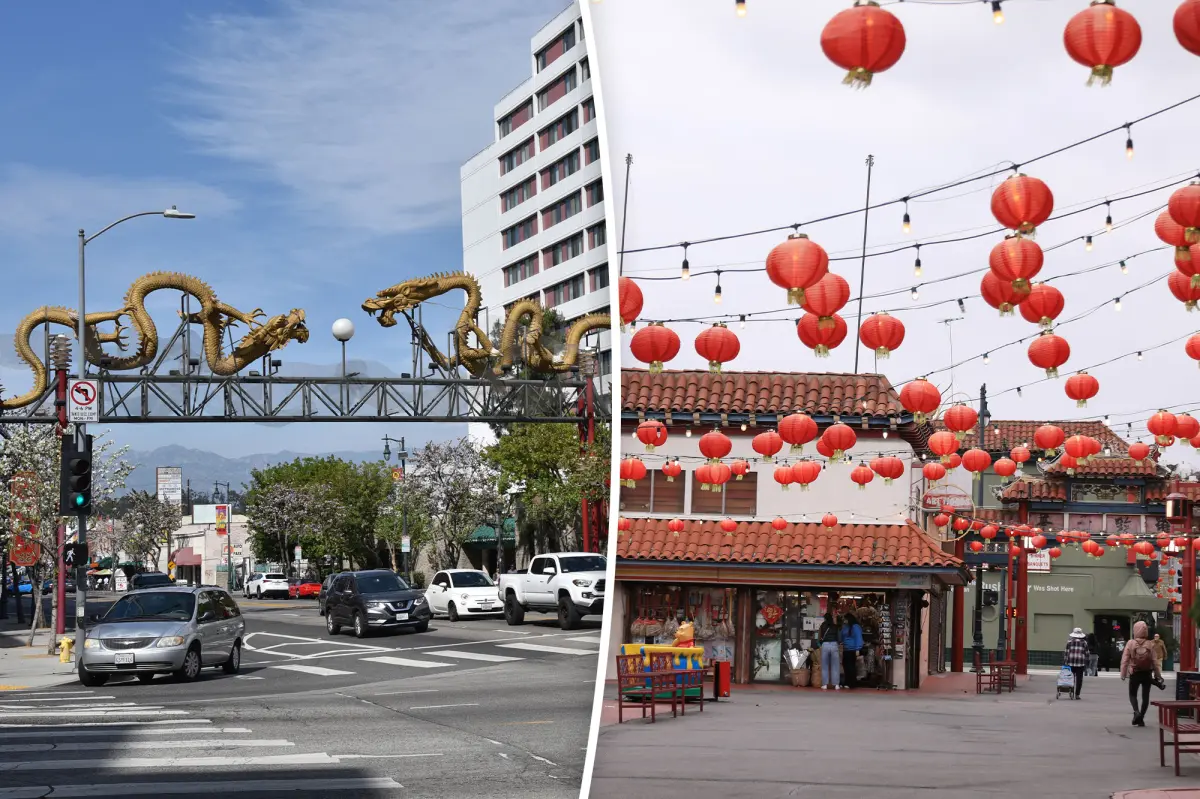
In the ever-shifting landscape of cultural prestige, few accolades are as coveted as being named the “coolest” place to be. While trends fade and neighborhoods evolve, some manage to capture a timeless essence that keeps them perpetually in vogue. According to a new global ranking by the lifestyle authority TimeOut, the spotlight has fallen on Los Angeles, with its vibrant Chinatown district earning the impressive title of the coolest neighborhood not just in the United States, but the fourth-coolest in the entire world. This is no small feat, placing this historic enclave alongside the most dynamic and trendsetting districts on the planet. The recognition serves as a powerful testament to the area’s unique ability to blend its storied past with a forward-thinking, ever-evolving present, creating a destination that is as alluring to history buffs as it is to trendsetters and foodies.
At the heart of this acclaim is a culinary and nightlife scene that TimeOut describes as “ever-growing.” The past year has seen a remarkable influx of notable new establishments, each adding its own distinct flavor to the neighborhood’s rich tapestry. Among these exciting newcomers are Firstborn and Café Tondo, which have quickly become must-visit spots for those in the know. Perhaps most notably, the arrival of Archives of Us has caused a stir among matcha aficionados, with the site boldly declaring it serves the best matcha in the entire city. This is high praise in a metropolis as food-obsessed as Los Angeles. The energy is further amplified by new entertainment venues and social hotspots, such as the music venue Pacific Electric, which opened its doors in March, and the upcoming second location of the popular cocktail bar Mood Ring. This constant rotation of fresh concepts ensures that there is always something new to discover, keeping the neighborhood’s pulse beating strong and its streets buzzing with anticipation.
However, this vibrant modernity is not built on a foundation of amnesia. TimeOut’s praise is particularly centered on how the neighborhood “strikes a balance between honoring its history and consistently reinventing itself.” The visual identity, with its iconic pagoda-style roofs, hanging lanterns, and pedestrian-friendly plazas, serves as a constant, beautiful reminder of its heritage. This architectural beauty is complemented by long-standing institutions that are as essential to the neighborhood’s character as the latest trendy bar. Staple spots like Phoenix Bakery, known for its delicious strawberry cakes, and Philippe the Original, home to the legendary French dip sandwich, provide a link to the past that enriches the present. Adding to the allure is the sprawling 32-acre Los Angeles State Historic Park, a vast green space that hosts public events from concerts to cultural festivals, offering a tranquil escape and a communal gathering point amidst the urban energy. This harmonious coexistence of old and new, of the globally renowned and the locally beloved, is precisely what gives Chinatown its distinctive and magnetic cool.
The story of this neighborhood is one of remarkable resilience and reinvention. The Los Angeles Chinatown we know today is not the city’s original. It dates back to the late 20th century, a time when a significant influx of Chinese and other Asian immigrants made their home in central Los Angeles. The area now known as “old” Chinatown was eventually demolished to make way for the construction of Union Station, a grand transportation hub that opened its doors in 1939. This act of displacement, which could have spelled the end for the community, instead catalyzed its rebirth. What emerged was the “new” Chinatown, which took shape in 1938 and was deliberately designed as a major tourist destination. It was built with the distinctive aesthetic that still defines it today—a blend of traditional Chinese architectural elements and the excitement of a modern entertainment district. From its very inception, it was a place built on the idea of attracting people, and it has remarkably managed to remain a hip, desirable neighborhood nearly a century later.
A visit to this celebrated district is a sensory journey, and TimeOut has offered some insider tips on when to experience it at its peak. The Lunar New Year celebrations in February are a spectacular time to visit, as the streets come alive with the vibrant colors and sounds of the Dragon Parade and the energetic Firecracker Run. It’s a time of family, tradition, and communal joy that fills the air with electricity. Another magical period is the Mid-Autumn Festival, typically in late September. During this time, the neighborhood’s many bakeries begin crafting delicious mooncakes, offering a taste of tradition that is deeply tied to the festival’s spirit of reunion and togetherness. These events highlight that Chinatown is not just a collection of businesses but a living, breathing community with traditions that are proudly shared with visitors. The recommended best times to visit underscore the neighborhood’s deep-rooted cultural significance, proving that its coolness is derived from a place of authentic heritage.
While Los Angeles’ Chinatown may have claimed the top spot on the U.S. list, it was not alone in being recognized. It stood as one of only four American neighborhoods to make the global cut. West Town in Chicago, Illinois, secured the 18th position, lauded for its vibrant and diverse culinary scene that reflects the city’s rich cultural melting pot. New York City, as always, had a representative, with its Financial District ranking 28th, an area that has been transformed by the addition of Michelin-starred restaurants and the revitalized Seaport district, proving that even the most corporate of landscapes can be infused with a new, chic energy. Further down the list, at number 40, was the Distillery District in Lexington, Kentucky. This town has undergone a major revitalization since 2008 and has become a major destination for booze brands and enthusiasts, drawing visitors from far and wide to experience its unique brand of Southern hospitality and spirits.
In the end, what makes this distinction so meaningful is that it is more than just a fleeting label. It is a recognition of a community that has navigated the complex currents of history, urban development, and cultural change with grace and determination. Los Angeles’ Chinatown is not merely a place to see; it’s a place to taste, to hear, to feel, and to experience. It’s a neighborhood where the echoes of the past resonate through the arches and lanterns, while the vibrant energy of the present spills out of cocktail bars and music venues. It is a destination that demands to be explored, that rewards the curious with layers of history and flavor, and that continuously proves that true coolness is born not from chasing trends, but from embracing and evolving one’s unique cultural identity. This accolade is not a final achievement, but rather a snapshot of a neighborhood that is forever in motion, forever growing, and forever maintaining its place as a beloved gem in the heart of Los Angeles. It stands as a shining example for other cities around the world, demonstrating that honoring the past and embracing the future are not mutually exclusive, but rather the perfect formula for creating a community that will never go out of style.