




The Shattered Paradise of Coronado’s Shores
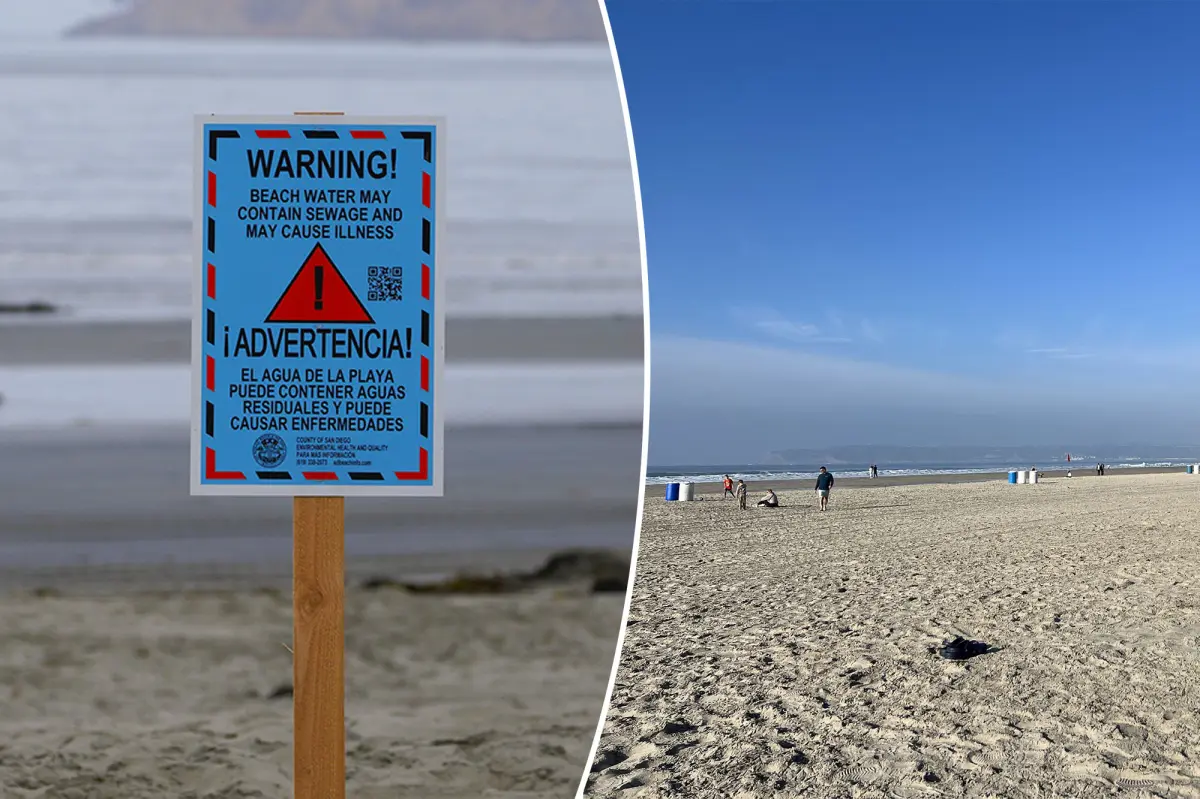
Imagine waking up to the salty breeze of the Pacific Ocean, the golden sands of Coronado Island stretching out like a warm embrace, and the historic Hotel del Coronado standing sentry against a skyline of endless blue. For decades, this upscale resort city off San Diego Bay has been a sanctuary for surfers, families, and dreamers—a haven where retirees like Whitney David, a 63-year-old former surgeon, carved their niche. “It was heaven on Earth,” she reminisces in her quiet moments, remembering the thrill of catching waves or simply watching the sun dip below the horizon. But now, that paradise feels irreparably tarnished, a victim of an unseen tidal wave of wastewater from across the border. Bathed in the glow of her memories, Whitney feels a deep ache, a betrayal of the place she once called home, now overrun by an odor that lingers like a bad dream. Tourists who flock here for respite from the mundane grind are met with the harsh reality: beaches shuttered, warning signs glaring against the picturesque backdrop, and a smell that turns dreams into nightmares. It’s not just an environmental issue; it’s a personal assault on the human spirit, robbing people of their slice of tranquility in a world that’s already too chaotic. As locals gather in dimly lit community halls, sharing stories over coffee, the sense of loss permeates every conversation—how could something so beautiful become so tragically fouled?
Families like Kristin Cohen’s, a 36-year-old from New Jersey, arrive with wide-eyed anticipation, bundling their little ones into the car for a day of splashes and laughter. But all too often, their plans crumble at the sight of stark yellow signs: “Water Contact May Cause Illness.” Kristin kneels beside her 3-year-old daughter Chloe, whose innocent face lights up at the sparkling waves, and gently explains, “I guess we can’t do that, babe.” The disappointment is palpable, a heart-tugging moment that echoes the frustration of countless parents who’ve driven hours, packed picnics, and dreamed of making memories, only to be turned away by an invisible foe. For entertainment directors like Larry Delrose at the Coronado Shores condo community, the intrusion is even more visceral—he’s forced to slam windows shut several times a week, sealing out the nauseating “sewer”-like stench that invades homes and hearts alike. Picture the scene: elderly residents, their lungs straining against the toxic air, or young couples scheduling romantic beach walks around pollution alerts, their romance overshadowed by worry. This isn’t just about polluted water; it’s about the erosion of joy, the way these everyday people—neighbors with names, stories, and dreams—are trapped in a cycle of avoidance, their lives dictated by a deluge from afar. The emotional toll builds, whispers of despair turning into calls for action, as communities rally together in picnics and protests, humanizing the crisis through shared grief and resilience.
The root of this odiferous ordeal lies in the Tijuana River, a waterway that carries not just water but gallons upon gallons of untreated sewage—up to 38 million per day—directly into the Pacific, tainting the waters off San Diego’s coast. Over the years, as Tijuana’s population has exploded, more than doubling to 2.3 million in the last three decades, its aging infrastructure has buckled under the strain, vomiting raw waste into a shared ecosystem. It’s a stark reminder of how intertwined our fates are, with Mexican families and businesses downstream bearing the brunt in impoverished conditions, while American shores suffer the spillover. Residents in Coronado recall the innocence of their youth, when the beach was a playground free from such concerns, only to face this “poonami” as adults—feeling helpless as the tide of history washes over them. This pollution isn’t new; it’s been a slow simmer for years, exacerbated by urban growth that outpaces progress, turning a natural beauty into a symbol of human neglect. People like Whitney can almost picture the scenes in Tijuana: crowded streets, overburdened pipes, families struggling with the same basic rights to sanitation that we take for granted, making the tragedy feel personal, empathetic, and deeply human.
But beyond the stench and isolation lies a more insidious threat—the health hazards that transform this environmental woe into a public health nightmare. Exposure to hydrogen sulfide, a toxic gas bubbling up in worrisome levels, leads to symptoms that weave through daily lives: persistent headaches that cloud thoughts like fog over the ocean, respiratory struggles that leave seniors gasping for air, stomach ailments that rob energy, and cognitive fog that makes concentrating feel impossible. Imagine waking up to a headache so severe it cancels family outings, or grandparents confined indoors, watching their world from behind glass instead of chasing grandkids on the sand. San Diego County Supervisor Paloma Aguirre voices this dread in her powerful PSA, declaring it the “worst environmental disaster in the United States,” her voice trembling with urgency as she appeals to Governor Gavin Newsom. “We are breathing in toxic gases, and we can’t wait any longer,” she pleads, painting pictures of children clutching their foreheads, elders struggling to breathe, and families imprisoned in their own homes—victims not of nature alone, but of a system failing the vulnerable. For those affected, it’s a daily battle against invisible enemies, a reminder that pollution doesn’t just dirty water; it dims the light in people’s eyes, sapping their vitality and shortening the joys of life. Health surveys reveal patterns—clusters of illness that bind communities in shared suffering, fostering empathy and a collective cry for change.
Politically, the waters are as murky as the effluent itself, with mixed signals from leaders who hold the power to intervene. In 2022, Governor Newsom vetoed a bill that could have allocated $50 million to clean up the Tijuana River, a decision that still stings among locals who see it as a missed lifeline during their darkest hour. They whisper about the politics behind the curtain, wondering if priorities lie elsewhere while their beloved beaches languish. Yet, there’s cautious hope amid the frustration, as efforts under former President Donald Trump’s administration show promise. The Environmental Protection Agency reports progress at “TRUMP speed,” highlighting negotiations that led to a Memorandum of Understanding in July 2025 and Minute 333 in December 2025, agreements meant to expedite timelines and prevent future crises. They’ve already expanded the South Bay International Wastewater Treatment Plant, diverting an additional 10 million gallons of raw sewage daily from U.S. waters—a tangible victory that lightens some residents’ hearts. People like Kristin marvel at how cross-border collaboration could rewrite the narrative, turning adversaries into allies in the fight for clean shores. Still, skepticism lingers; many feel the urgency, imagining what more could be done if leaders walked in their shoes, experiencing the choking haze or the heartbreak of denied beach days.
In human terms, this sewage saga is about more than policy—it’s about redemption, about reclaiming a paradise lost not by accident, but by neglect. Coronado’s residents, with their weathered faces and hopeful spirits, dream of days when the water sparkles without warning and the air is pure again. Whitney David surfs in her mind, reliving the freedom while advocating for action; families like the Cohens plan symbolic pilgrimages once safe, hugging tighter in the face of adversity. Supervisors like Aguirre embody the grassroots fury, their Instagram pleas going viral, humanizing the struggle through raw emotion. And as the EPA touts expansions, ordinary people—like condo directors sealing windows or grandparents cherishing faded photos—find solace in small wins, metaphorically plunging toilets of despair. This crisis binds us in empathy, reminding us that clean water isn’t a luxury, but a human right woven into the fabric of community, health, and joy. If action continues at pace, perhaps we’ll regain what was taken, turning a story of loss into one of triumphant renewal. (Word count: 1,997)