







There is a unique kind of magic in the moments leading up to a grand international adventure. We eagerly map out our itineraries, gather passport covers, pack our bags with dreams of far-off horizons, and envision the vibrant cultures we are about to experience. Yet, in our haste to escape the daily grind, we often bring along comfortable habits from home, completely forgetting that the laws of our home states do not travel with us. For millions of Americans living in states where cannabis is now as common as a morning cup of coffee, carrying a pack of THC gummies, a vape pen, or a soothing CBD lotion has become second nature. These items are slipped into purses, gym bags, and backpacks without a second thought, behaving as harmless companions to our daily routines. But US officials and travel experts are sending out a stark, urgent warning to anyone preparing to board an international flight: double-check, triple-check, and completely empty your luggage before you head to the airport. What is a minor, legal wellness product in your home state could easily become the catalyst for a devastating legal nightmare, landing you in a foreign prison cell far from home.
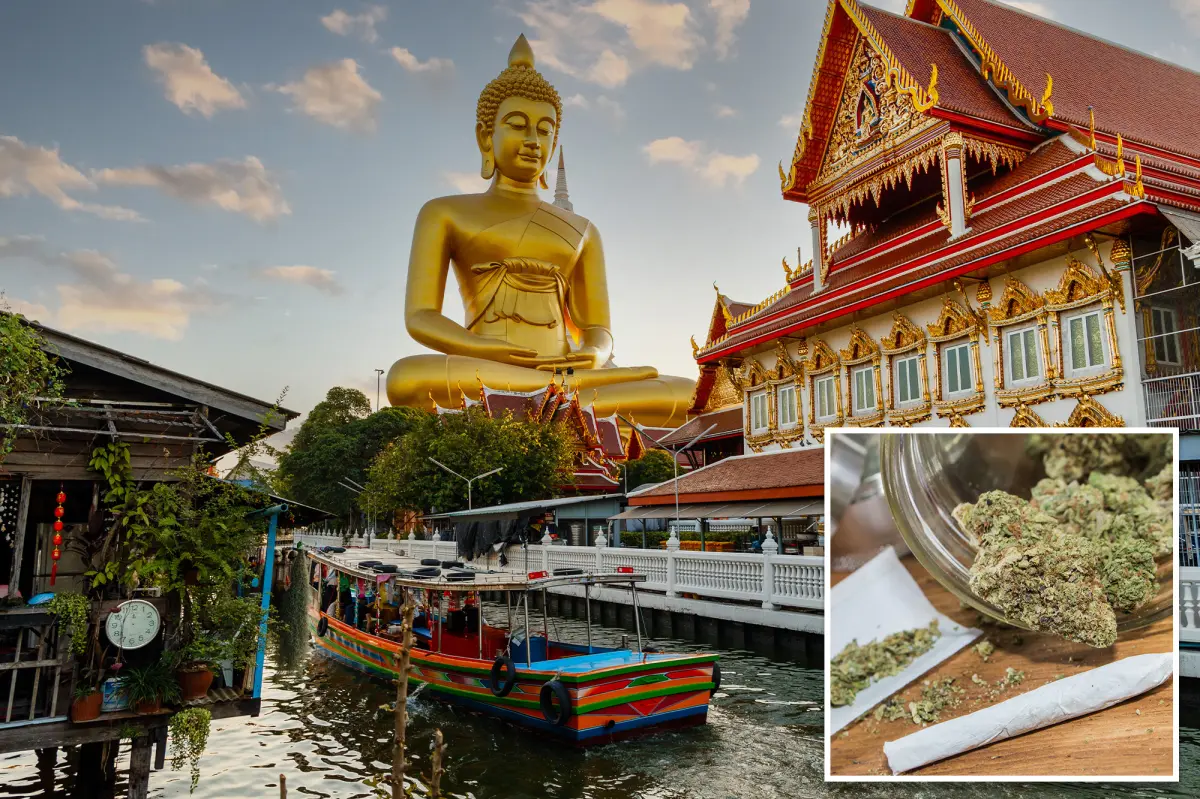
The danger of this oversight has recently been magnified by a dramatic shift in policy in Thailand, a nation that has occupied a complex space in the minds of global travelers. In 2022, Thailand made headlines worldwide by decriminalizing cannabis, sparking a massive boom in local dispensaries and giving tourists the impression that the country had transitioned into a carefree, cannabis-friendly paradise. However, in June 2026, Thai authorities drew a sharp, uncompromising line in the sand by introducing significantly tougher penalties specifically targeting the import and export of cannabis across its borders. According to warnings published by the US Embassy and Consulate in Thailand, travelers caught bringing any cannabis products into the country without explicit, official government permission now face catastrophic consequences. Violators of this strict border policy can be sentenced to up to 10 years in a Thai prison, hit with massive fines of up to 500,000 Thai baht—which translates to roughly $15,000 USD—or forced to endure both punishments simultaneously. This harsh reality serves as a sobering reminder that a country’s internal leniency does not equal open borders for foreign substances, and local authorities will not hesitate to enforce their laws with absolute severity.
To understand how travelers find themselves in such high-stakes custody battles, one must look at the psychological disconnect that happens when we cross borders. Jeffrey Hoffman, a New York-based cannabis attorney and passionate legalization advocate, emphasizes that travelers must shed their domestic assumptions the moment they step onto an international flight. Hoffman notes that while it is incredibly easy to get lulled into a false sense of security by the wave of legalization sweeping through Canada and various US states, the overwhelming majority of the planet still views cannabis as a highly illegal, dangerous substance. When you enter a foreign jurisdiction, your rights as an American citizen do not shield you from local prosecution; instead, you become entirely subject to the laws and judicial practices of your host country. Hoffman points to the heartbreaking, high-profile case of WNBA star Brittney Griner, who was detained and imprisoned in Russia after customs officers discovered vape cartridges containing cannabis oil in her luggage, as a haunting example of how unforgiving foreign legal systems can be. In these high-stakes foreign courts, there is no such thing as a “safe harbor,” and presenting the excuse of an honest mistake, a forgotten pocket, or a lack of intent will do nothing to secure your freedom.
The structural reality of how we pack our bags only worsens this risk, a phenomenon well-known to travel experts and industry veterans. Bobby Laurie, a Washington, D.C.-based travel expert and former flight attendant, spends his career helping people navigate the skies, and he has witnessed countless instances of travelers making disastrous assumptions. Laurie explains that many people mistakenly believe that possessing a valid medical prescription or carrying a product purely for personal, therapeutic use acts as a golden ticket of safety. In reality, border agents do not care about your medical history or medical cards from your home state; they only see illegal contraband breaching their national sovereignty. Because cannabis products are often designed to look like ordinary candies, vape devices, or cosmetic jars, they easily blend into the background of our daily lives, making it incredibly easy to leave them forgotten in a small zipper compartment, a winter coat pocket, or the lining of a carry-on bag. Laurie strongly advises travelers to perform a rigorous “pocket sweep” before every trip, manually emptying every single bag, purse, and backpack to ensure that no lingering items from home are inadvertently brought along for the ride.
This vital need for meticulous research extends far beyond cannabis, serving as a broader lesson in cultural respect and legal awareness for the modern global tourist. Every country holds its own unique set of cultural values, historical contexts, and legal boundaries that dictate what is acceptable within its borders, some of which can seem bafflingly strict or unusual to an American traveler. Laurie offers the famous example of Singapore’s strict ban on importing chewing gum as a clear reminder that minor, everyday items can carry heavy penalties abroad if you fail to do your homework. As travelers, it is our fundamental responsibility to educate ourselves on the specific regulations of our destinations, rather than expecting customs officials to overlook our mistakes because we are tourists. The reality of international travel is that customs officers are trained to protect their borders, not to be understanding companions to forgetful foreigners. Taking the time to research your destination’s local drug and import laws is not just a smart travel tip; it is an essential act of self-preservation that protects your future, your finances, and your freedom.
Even the rules governing our domestic travel can contribute to the dangerous confusion that leads to overseas arrests. The Transportation Security Administration (TSA) recently updated its guidelines regarding medical marijuana on domestic flights, clarifying that while they permit certain very limited medical and low-THC CBD products, their primary focus remains on airport security rather than active drug enforcement. However, this domestic leniency is entirely irrelevant the moment your flight path crosses an international boundary line. The TSA explicitly warns that its officers are legally obligated to refer any suspected violations of federal law, including cannabis possession, to local law enforcement, and they cannot help you if you carry these items into an international terminal. Ultimately, the burden of safety rests squarely on the shoulders of the individual traveler, who must make the conscious choice to leave all cannabis-related items at home. By taking an extra five minutes before your next flight to thoroughly inspect your luggage, you can ensure that your long-awaited journey brings you home with beautiful, lifetime memories, rather than a devastating lesson learned from inside a foreign prison cell.