






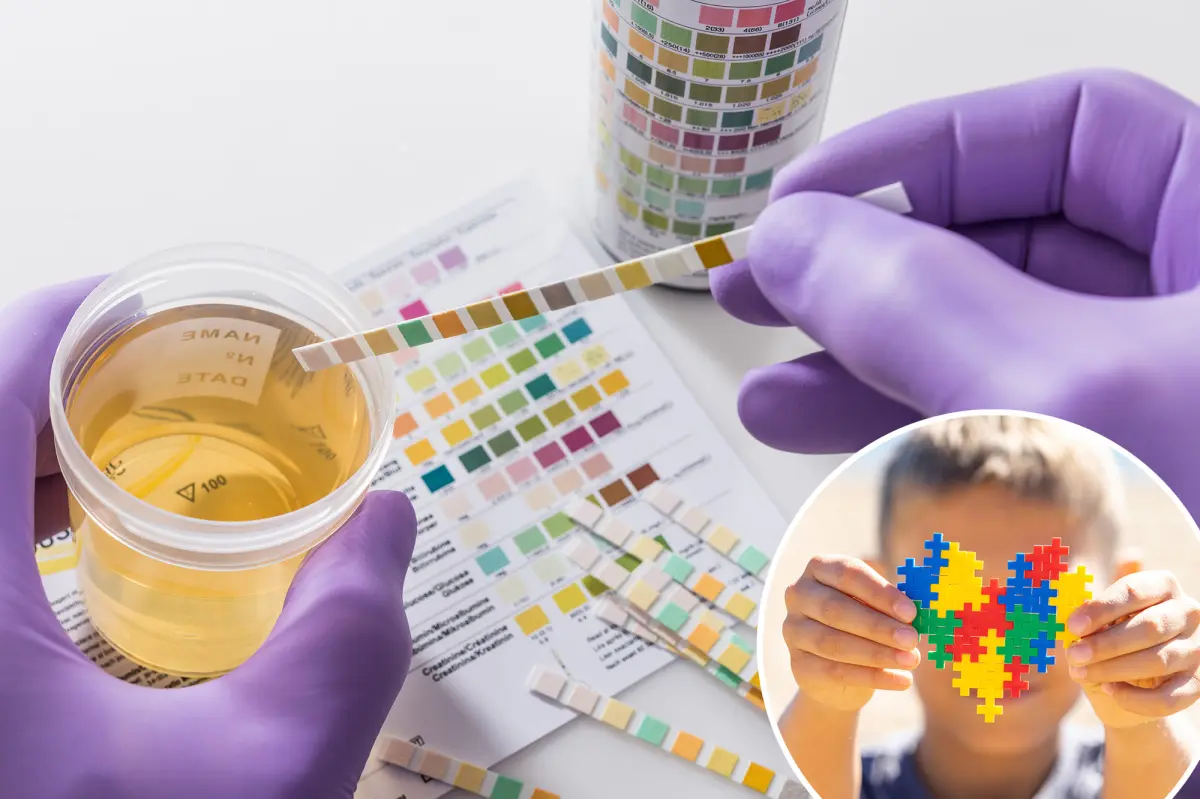
For millions of families all over the globe, the road to understanding a young child’s unique developmental milestones is a deeply emotional, high-stakes journey defined by boundless love, profound confusion, and long, grueling periods of silent anxiety. When a beloved toddler begins to behave differently than their peers—perhaps withdrawing from direct eye contact, displaying repetitive physical behaviors, or struggling to find their voice during early attempts at social verbalization—parents often find themselves thrust into a confusing and overwhelming clinical labyrinth. This psychological and emotional pressure has intensified dramatically in recent years, especially against the backdrop of statistics showing that autism spectrum disorder (ASD) diagnoses skyrocketed by an incredible 175 percent between the years 2011 and 2022. During these critical, highly sensitive early years of rapid childhood growth, when a child’s developing brain possesses its greatest degree of cognitive flexibility and neural plasticity, every single month spent languishing on a clinic’s diagnostic waiting list is a vital developmental opportunity lost. The current diagnostic framework often leaves families stranded in a stressful state of limbo, waiting for appointments with rare specialists while watching their children struggle to connect with the world around them. Yet, a truly remarkable scientific paradigm shift is quietly unfolding within the cutting-edge laboratories of Arizona State University, promising to transform this daunting, highly subjective journey of behavioral observation into one of objective clarity, validation, and profound hope. Researchers have engineered a revolutionary, non-invasive diagnostic screening tool that could enable much earlier detection than ever before, and its use is as remarkably simple, stress-free, and pediatric-friendly as collecting a routine urine sample during a standard bathroom trip. By turning to the biological indicators hidden within the human body, this breakthrough test elegantly bridges the massive gap between biochemistry and domestic life, offering a comforting, reliable beacon of light to parents.
To truly appreciate the molecular brilliance of this diagnostic innovation, one must look deep within the human systemic architecture, moving far beyond observable outward behaviors to explore the fascinating, highly intricate chemical dialogue constantly occurring between our digestive tracts and our minds. Traditionally, autism has been viewed almost exclusively as a neurological and psychiatric mystery, resulting in clinical diagnostics that focus heavily on behavioral checklists, cognitive tasks, and brain imaging studies. However, a pioneering new study, published recently in the prestigious scientific journal Molecular Psychiatry, shifts its scientific gaze downward to the gut microbiome—the vast, incredibly complex ecosystem of trillions of microscopic organisms that fundamentally govern human immunity, digestion, and neurochemistry. In this intensive research endeavor, the scientific team at ASU chose to home in on seventeen distinct microbial metabolites, which are essential chemical molecules produced as metabolic byproducts when gut microbes break down foods, dietary fibers, and amino acids. Strikingly, the study discovered that children on the autism spectrum carry highly altered, highly distinctive profiles of these key molecules, many of which are intimately linked with the biological synthesis of critical neurotransmitters like serotonin and dopamine. As corresponding study author James Adams of Arizona State University noted in a recent news release, these specialized gut bacteria generate compounds that are essentially modified, structurally altered versions of the chemical keys our brains rely on to regulate mood, complex social communication, anxiety, and attention. This crucial discovery establishes a clear, measurable biological bridge between microscopic gut communities and behavioral traits, successfully explaining why children on the spectrum often experience co-occurring challenges such as social communication barriers, sensory overload, depression, and severe anxiety. It proves that what happens in the digestive system directly influences neurological pathways, changing how we understand behavior.
The rigorous, data-driven scientific foundation supporting this novel screening system is detailed meticulously inside the published study, which evaluated urine samples collected from an active pediatric cohort of young children ranging from ages two to eleven. To thoroughly test the diagnostic sensitivity of these biochemical biomarkers, the ASU investigators divided the young participants into two primary groups: fifty-two children who had already received a formal behavioral diagnosis of autism spectrum disorder, and a healthy comparison group of forty-seven neurotypical children. The research team processed the chemical data utilizing a highly advanced, proprietary classification platform known as the Microbially-Derived Metabolite (MDM) System, which assigns a customized score based on the specific number of targeted metabolites in a child’s urine sample that deviate from typical physiological ranges. The statistical results yielded by this state-of-the-art system were nothing short of extraordinary: virtually every child on the autism spectrum who participated in the research trials was found to have at least one metabolite level that significantly exceeded the absolute highest reading observed in the neurotypical group. On average, the children on the autism spectrum exhibited elevated levels across three different metabolites, with some molecular concentrations measuring up to an astonishing 1,000 times higher than those in their neurotypical peers. Over the course of the rigorous testing phase, this innovative MDM-based diagnostic test demonstrated an exceptional ninety percent accuracy rate in successfully identifying children on the spectrum, and remarkably, it did so with zero false positives, proving that the chemical signature of autism is remarkably distinct. Furthermore, these findings are highly consistent with over forty other global scientific studies, reinforcing the strong connection between gut microbiome metabolites and autism diagnoses.
Beyond the sheer biochemical data, clinical measurements, and statistical achievements, this biology-based diagnostic tool carries a profound, humanizing power to lift decades of heavy, completely undeserved psychological stigma from the shoulders of loving parents. Historically, society has cast a critical, judging eye on parents of neurodivergent children, frequently misinterpreting common developmental traits like sensory meltdowns, emotional dysregulation, or social withdrawal as direct failures of discipline, boundary-setting, or attentive parental care. First author of the study Christina Flynn addressed this silent, painful emotional burden with extreme empathy, noting that parents often delay seeking autism evaluations out of a deep-seated fear that they will be judged, labeled as inadequate, or blamed for their child’s developmental milestones. For generations, this undeserved guilt has acted as a silent barrier, keeping families isolated and hesitant to seek the medical and psychological support their children need. With the introduction of this simple, objective laboratory test, the narrative changes instantly and completely: when a developmental marker can be clearly identified and quantified through a routine urine sample, the condition is validated as a deeply biological reality, not a consequence of parenting styles. This scientific validation helps break down the toxic myths surrounding neurodiversity, replacing social shame with objective medical clarity, and giving parents the psychological security they need to move forward with pride and immediate clinical advocacy. When families realize that their child’s unique developmental profile is written in their biological metabolites rather than their parenting styles, they can let go of their hesitation and pursue therapeutic avenues with confidence and peace of mind.
In our current medical environment, obtaining an official autism diagnosis is often a highly challenging marathon that requires exhaustive cognitive testing, long hours of clinical observation, and thousands of dollars in expenses that are out of reach for many marginalized communities. Furthermore, because these traditional, observation-based assessments are highly specialized, public and private clinics around the world are plagued by devastating diagnostic bottlenecks, leaving families stranded on waiting lists for months or even years. This loss of valuable time is deeply tragic because the human brain experiences its most rapid, transformative phases of synaptic growth and behavioral adaptability during the early toddler years, a crucial developmental window when therapeutic interventions have their greatest impact. By offering a fast, highly accurate, and incredibly simple biochemical test, pediatricians can transition from a slow, passive model of behavioral observation to an active style of early intervention. Instead of waiting for a child to display profound behavioral difficulties or fall far behind their peers in school, doctors can run a quick, routine screen at a toddler’s regular wellness appointment, streamlining their transition into speech, physical, occupational, and behavioral therapy. This proactive clinical approach transforms early childhood intervention from a luxury reserved for those who can navigate complex medical systems into a democratized, highly accessible standard of preventative care. By bypassing weeks of testing, this tool can significantly improve long-term cognitive, language, social, and emotional development in children immediately.
As the scientific community looks to the future, the ASU research team is actively preparing and organizing larger-scale clinical validations to confirm these findings across a much broader, more diverse demographic of young children. However, the ultimate promise of this test extends far beyond the creation of an efficient screening routine; it represents a profound shift in how we categorize neurodiversity, prompting the researchers to propose an entirely new, distinct biological clinical category known as ASD-MDM (Autism Spectrum Disorder associated with microbially-derived metabolites). This proposed diagnostic category is estimated to encompass roughly ninety percent of all pediatric autism cases, providing clinical scientists with a highly specific, bio-targeted roadmap for therapeutic development. It is crucial to remember that these elevated, gut-produced molecules do not cause autism themselves; rather, they serve as unique metabolic fingerprints of an individual’s distinctive internal ecosystem. In the future, this vital understanding of the gut-brain axis could lead to highly tailored, personalized healthcare methodologies—ranging from advanced, target-specific probiotics and custom nutritional therapies to microbiome restoration—designed to normalize these metabolites and alleviate highly uncomfortable co-occurring symptoms like chronic gastrointestinal issues, severe sleep disturbances, and elevated anxiety. By combining advanced molecular biology with deep human empathy, this groundbreaking research honors the beautiful complexity of neurodivergent children, lighting a much safer, faster, and more supportive path forward for families worldwide.